Most traders spend more time debating chart setups than they do evaluating the forex trading platforms that actually execute their orders. That’s a costly mistake. The platform underneath your trades determines your spread costs, execution speed, and how badly slippage hits you during a volatile NFP release. Dealing with regulatory environments across different jurisdictions adds yet another layer of pressure. After reviewing dozens of brokers and platform setups, this guide breaks down five of the strongest options available today, covering MT4, MT5, and proprietary apps side by side.
The research approach for this ranking
Platform options were assessed by pulling information from official broker websites, industry review directories, forum communities, and publicly available award records. Only platforms with a documented track record in active forex and CFD trading made the cut. The goal was to surface options that real traders actually use and trust.
→ See the full research breakdown
- Taurex – Best for multi-platform forex and CFD trading with copy trading support
- IC Markets – Best for high-volume traders, scalpers, and automated trading systems
- Axi Solaris – Best for CFD and Forex trading
- IG.com – Best for CFD trading, multi-asset investment platforms, and margin trading
- Equiti – Best for multi-asset CFD trading
Why Forex Trading Platforms Matter for Your Trading Experience
Picking the wrong platform doesn’t just affect your experience. It affects your bottom line on every single trade.
The platform you trade on shapes your average spread per pip, your order execution speed in milliseconds, and how often slippage eats into your entries during fast markets. Managing requotes during high-volatility events is nearly impossible on an underpowered platform.
Regulatory requirements add pressure too. A broker licensed under FCA, ASIC, or CySEC operates under different rules than one registered in a less-regulated jurisdiction, and that gap matters when funds are at stake.
The right platform gives you tighter spreads across major pairs, faster fills, and a lower slippage rate across total trades. Those things compound into a real edge over time, especially for active traders or anyone running automated strategies.
Top 5 Forex Trading Platforms: Breakdown and Comparison
Note: All data in this table is sourced from review platforms and the official websites of the listed companies.

| Company Name | Years Operating | Headquartered In |
| Taurex | Est. 2017 | Not disclosed |
| IC Markets | Est. 2007 | Sydney, Australia |
| Axi Solaris | Est. 2007 | Sydney, Australia |
| IG.com | Est. 1974 | London |
| Equiti | Est. 2016 | Dubai |
1. Taurex – Best for Multi-Platform Forex and CFD Trading with Copy Trading Support
What Does Taurex Do?
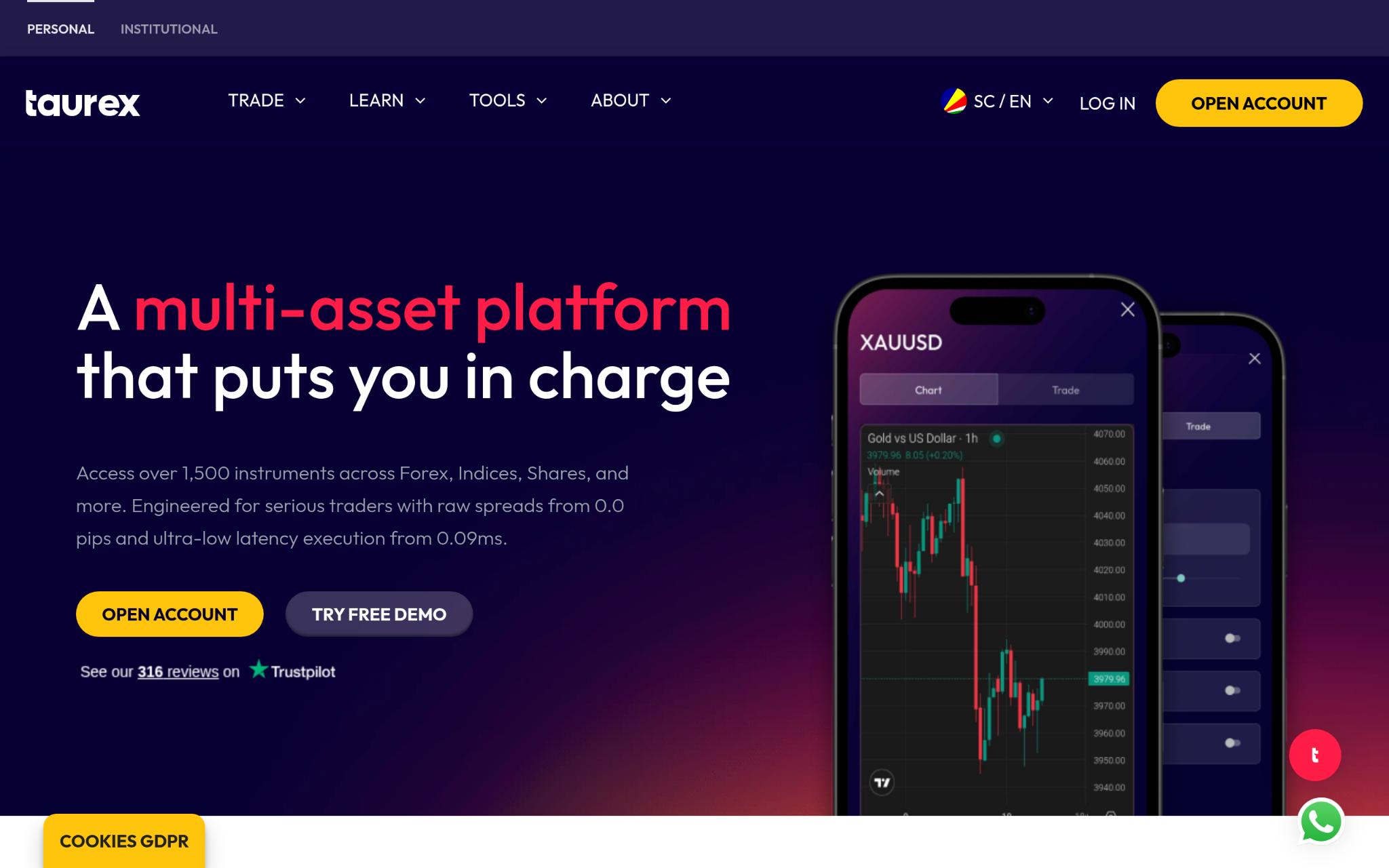
Traders who want access to multiple platforms under one broker will find that Taurex covers a lot of ground. They built their infrastructure around the online trading platform for forex space, offering MT4, MT5, a proprietary Taurex Trading App, and FIX API access alongside PAMM and copy trading features. With 1,500-plus instruments spanning forex, shares, indices, commodities, metals, and crypto, they serve everyone from retail traders to fund managers and professional clients.
Why Does Taurex Stand Out for Forex Trading Platforms?
Taurex solves the fragmentation problem that hits traders who need both retail-friendly tools and professional-grade infrastructure in one place. Their multi-platform setup, combined with copy trading and a B2B partner program, gives them a reach that few brokers at this stage can match.
Summary of Real User Reviews:
Taurex has picked up recognition from multiple regional award bodies, including Best CFD Broker from Rankia Lima Peru and Leading IB Program from Forex Expo Dubai. Traders respond well to the platform variety and the partner program structure. The multilingual support also gets consistent mentions from users across different regions.
2. IC Markets – Best for High-Volume Traders, Scalpers, and Automated Trading Systems
What Does IC Markets Do?
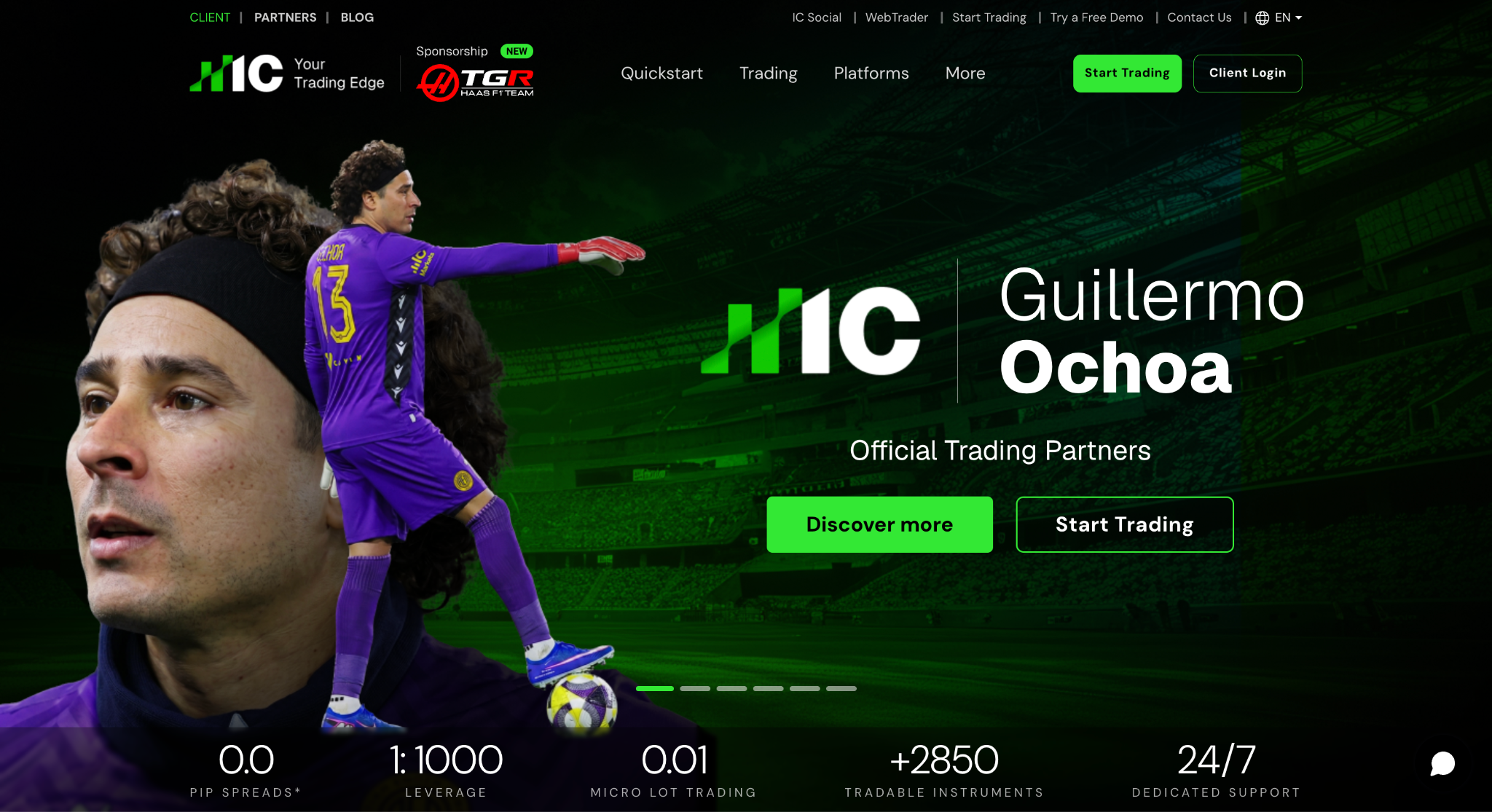
IC Markets has built its reputation on raw execution. Founded in 2007 and headquartered in Sydney, they offer 2,200-plus CFD instruments and process millions of trades daily through an order matching engine that averages under 40 milliseconds per execution. Spreads start from 0.0 pips with no requotes and no price manipulation, making them a serious option for scalpers and algo traders who live and die by fill quality.
Why Does IC Markets Stand Out for Forex Trading Platforms?
For traders where execution speed is the whole game, IC Markets directly addresses the requote and slippage problem that shows up at less-advanced brokers during volatile sessions. Honestly, sub-40ms execution with 0.0 pip spreads is the kind of infrastructure that makes a real difference when you’re running high-frequency strategies.
Summary of Real User Reviews:
IC Markets earned the World’s Leading Forex CFD Provider title at Dubai Forex Expo 2025 and Best Australia Trading Platform at the ADVFN International Financial Awards. Users consistently highlight the raw spread accounts and execution reliability as the biggest draws. That kind of consistency in trader comments is hard to fake.
3. Axi Solaris – Best for CFD and Forex Trading
What Does Axi Solaris Do?
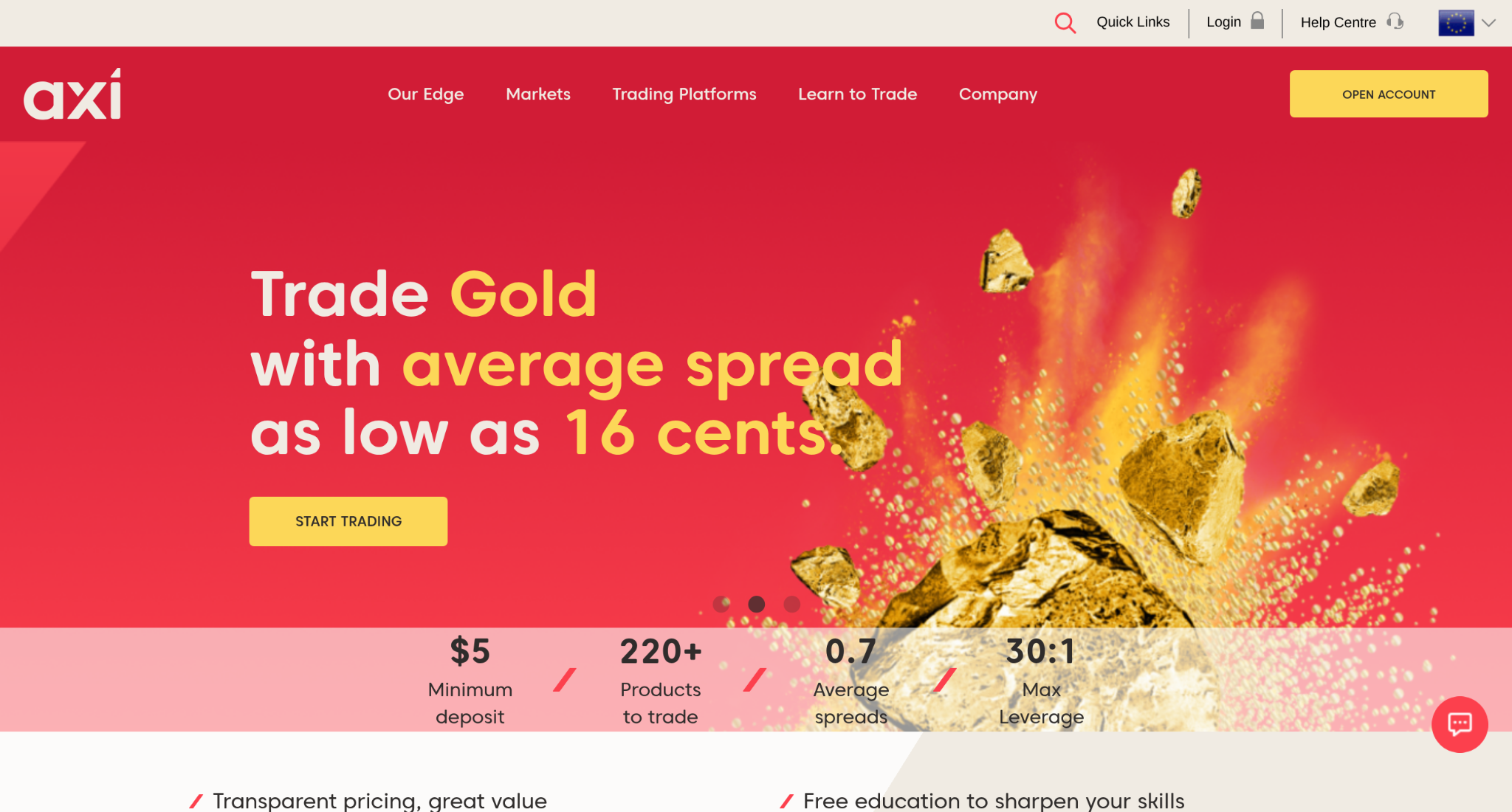
Axi has been operating since 2007 and now serves 60,000-plus traders across 100-plus countries. They run MT4 alongside their proprietary Axi CopyTrade platform and cover over 220 instruments including forex, shares, commodities, and crypto. What makes them interesting beyond the standard offering is Axi Select, a capital allocation program that funds traders up to $1,000,000 with up to 90% profit splits (no registration or monthly fees attached to it).
Why Does Axi Solaris Stand Out for Forex Trading Platforms?
Axi tackles a real frustration for profitable retail traders who hit capital limits before hitting their strategy limits. The funded account structure gives those traders room to grow without adding personal risk. Winning the Global Most Broker 2025 award alongside Best Execution Broker recognition for professional services shows they’re not just talking about it.
Summary of Real User Reviews:
The Axi Select program draws a lot of attention in user conversations, and for good reason. Traders appreciate the transparent pricing structure and the regulated multi-jurisdictional setup. The combination of low spreads and funded trading access makes Axi a strong pick for traders who want more than a standard retail account.
4. IG.com – Best for CFD Trading, Leveraged Trading, and Multi-Asset Investment Platforms
What Does IG.com Do?
IG has been in this industry since 1974, which means they were operating as the world’s first spread betting firm before most current brokers existed. As a FTSE 100 company, they now serve 1.3 million-plus customers across 19 countries with access to 17,000-plus equities and instruments spanning forex, indices, commodities, and crypto. Their platform lineup includes proprietary tools built for active traders and broader investment products for longer-term market participants.
Why Does IG.com Stand Out for Forex Trading Platforms?
Scale and longevity solve a specific concern that newer platforms simply can’t address: the confidence that comes from knowing a broker has survived multiple market cycles, regulatory shifts, and technology overhauls. That 50-plus year track record combined with a FTSE 100 listing puts IG in a category of regulatory credibility and industry trust that few brokers can reach.
Summary of Real User Reviews:
IG swept several ADVFN International Financial Awards categories including Best Finance App, Best Multi-Platform Provider, and Best Platform for the Active Trader. Users consistently point to the platform depth and transparent fee structure as the standout features. Their customer service reputation also holds up well across third-party review platforms (which isn’t always the case for brokers at this size).
5. Equiti – Best for Multi-Asset CFD Trading
What Does Equiti Do?
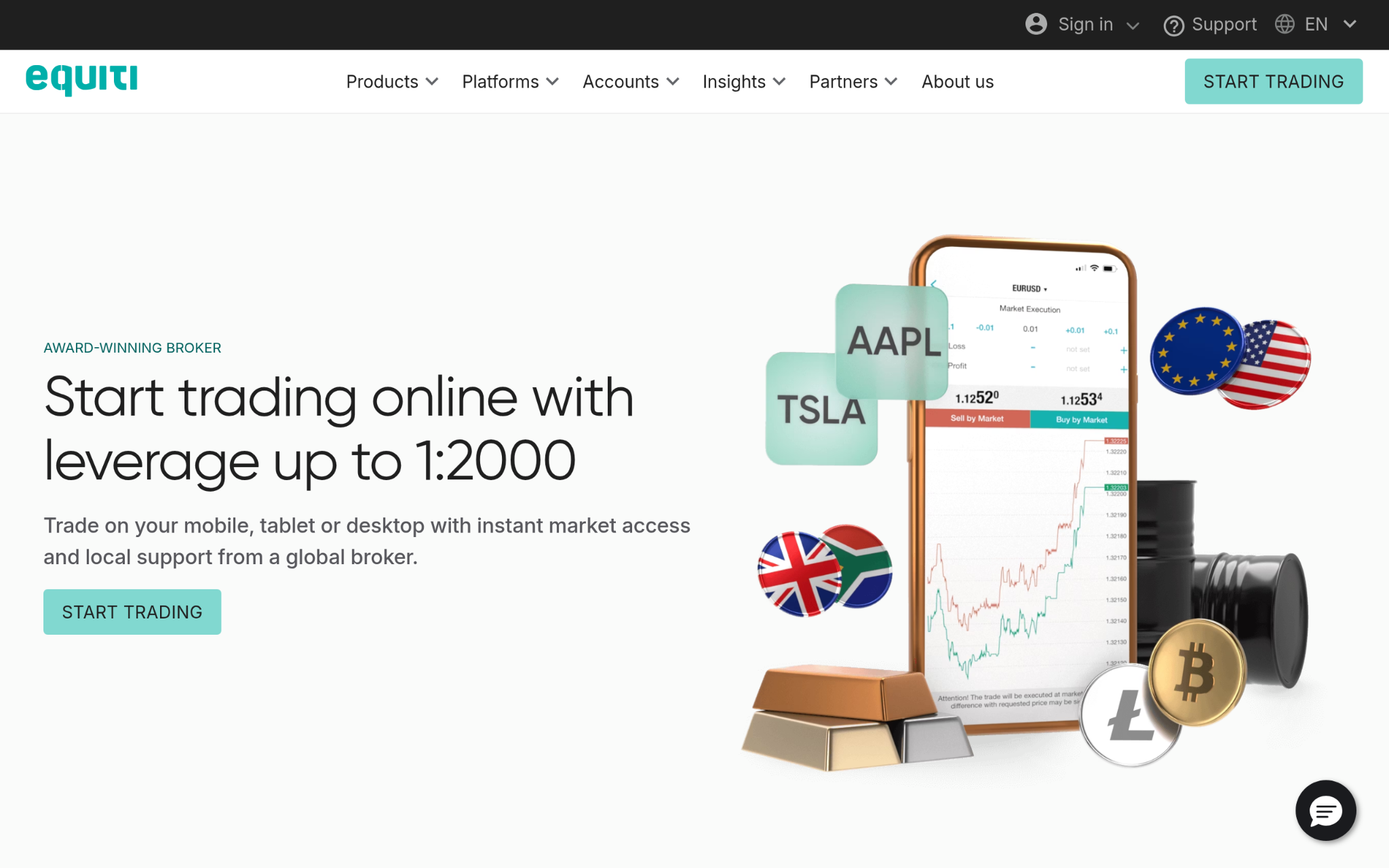
Equiti launched in 2016 and has expanded across the Middle East, North America, Europe, Africa, and Asia Pacific. They offer MT4 and MT5 for CFD trading across forex, crypto, commodities, indices, shares, and ETFs. Account structures range from Classic zero-commission accounts to Premier accounts with spreads starting from 0.0 pips, giving traders flexibility depending on their volume and cost preferences.
Why Does Equiti Stand Out for Forex Trading Platforms?
Equiti addresses the challenge of trading across multiple asset classes without switching platforms, building a multi-asset MT4 and MT5 setup with FCA authorization and SCA regulation in the UAE. For traders who want regulatory backing across different jurisdictions without giving up platform familiarity, that combination is genuinely useful.
Summary of Real User Reviews:
Equiti is newer than some of the other brokers on this list, so third-party review depth is still building. What’s visible points toward appreciation for the flexible account structures and the multi-jurisdiction regulatory setup. Their recent partnerships and appointments in data and AI leadership suggest they’re investing in the platform’s long-term development.
Research Methodology and Selection Process
Putting together a ranking of forex trading platforms required a structured approach, not just a surface-level scan of broker websites. The goal was to surface platforms that hold up under real scrutiny.
Initial Data Collection
The process started by pulling a broad list of forex and CFD brokers from industry directories, review aggregators, trading forums, and financial publication coverage. Each broker’s official website was reviewed for platform details, instrument counts, account types, and regulatory disclosures. Case studies and user-generated content from active trading communities were also factored in to reflect real-world usage rather than marketing claims alone.
Shortlisting Phase
From the initial pool, options without verifiable regulatory registration were set aside. Brokers with thin or inconsistent review footprints, unclear fee structures, or limited documentation of trading infrastructure were also removed. The shortlist was built around platforms with documented trading volumes, published spread information, and enough trader feedback to form a reliable picture of what traders actually experience day to day.
Verification of Claims
Each shortlisted broker’s stated features were cross-referenced against independent sources. Execution speed claims were checked against available technical documentation and user-reported experiences. Spread disclosures were compared to industry benchmarks for equivalent account types. Where a broker’s stated capabilities didn’t line up with third-party observations, that gap was noted and factored into the final assessment.
Authority and Industry Contribution Layer
Industry award records, mentions in recognized financial publications, and participation in major trading conferences were reviewed for each platform. Awards from bodies like ADVFN, Forex Expo Dubai, and regional financial associations were treated as supporting signals rather than additional ranking factors. The point was to identify brokers with consistent external validation over time, not just one strong year of PR activity.
Forex Trading Platforms-Specific Evidence
Each broker was assessed for depth of platform-specific content. Brokers with dedicated service pages covering MT4, MT5, execution models, spread types, and API documentation scored higher than those offering only generic marketing content. Verified reviews mentioning platform performance, execution quality, and spread accuracy were given more weight than general brand sentiment. Relevant case studies from active traders and professional clients added further context where available.
How to Choose the Right Forex Trading Platforms
Choosing a forex trading platform isn’t just about finding the most popular name. It’s about finding the right fit for how you trade, what you trade, and the regulatory environment you operate in. Here are five things worth checking before you commit.
- Industry and Domain Experience: Look for platforms with documented operating history in live market conditions. Brokers who have processed real trading volume across multiple market cycles understand the infrastructure demands better than newer entrants.
- Features and Service Options: Check whether the platform supports your preferred execution model, whether that’s ECN, STP, or market maker. Algo trading support, copy trading features, and API access are worth verifying if you use automated strategies.
- Pricing Structure: Look beyond headline spreads. Factor in swap rates for overnight positions, commission structures on raw spread accounts, and any inactivity fees that could add up quietly.
- Results Measurement: A good platform makes it easy to track your performance. Order history, slippage reporting, and execution quality metrics should be accessible and clear.
- Industry Knowledge and Regulatory Licensing (FCA, CFTC, ASIC, CySEC): Confirm that the broker holds active licenses in recognized jurisdictions. Regulatory licensing protects fund segregation and gives you recourse if something goes wrong.
Bottom Line
Choosing between MT4, MT5, and proprietary platforms comes down to how you trade, not just which name sounds most established. IC Markets leads on raw execution speed, IG brings the deepest instrument access and the longest track record, Axi adds funded trading for traders ready to scale, and Taurex covers the widest platform variety for traders who want flexibility. As execution technology keeps improving and regulatory frameworks keep tightening, the gap between a well-chosen platform and the wrong one will only grow.
Disclaimer: This is a Press Release provided by a third party who is responsible for the content. Please conduct your own research before taking any action based on the content.
Get 3 Free Stock Ebooks
Discover top-performing stocks in AI, Crypto, and Technology with expert analysis.
- Top 10 AI Stocks - Leading AI companies
- Top 10 Crypto Stocks - Blockchain leaders
- Top 10 Tech Stocks - Tech giants