


Key Highlights
- A breakthrough ceasefire agreement between Washington and Tehran announced over the weekend is triggering significant movements in worldwide financial markets
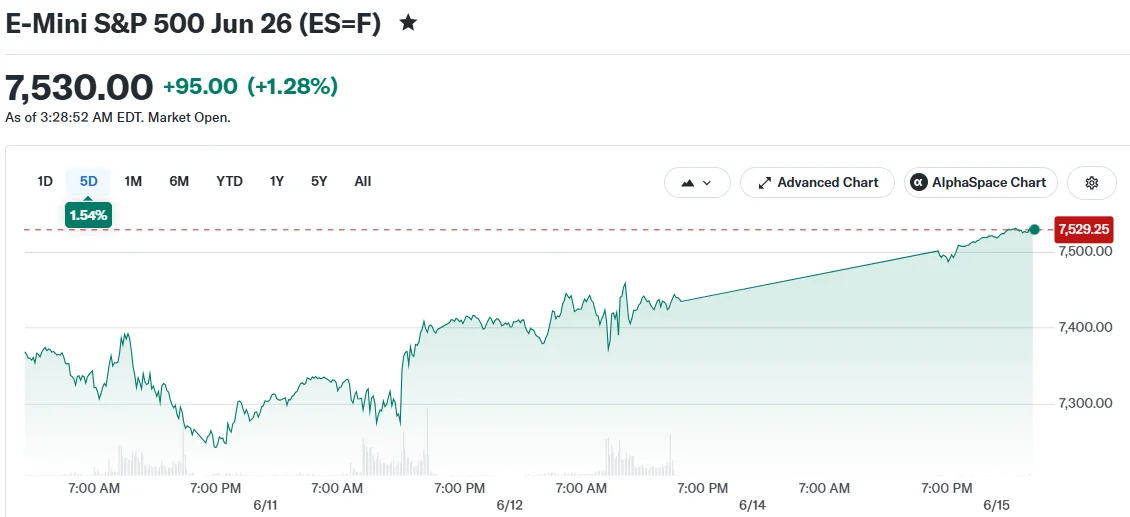
- Futures for the S&P 500 climbed 1.3% while Nasdaq 100 futures surged beyond 2% following the announcement
- Brent crude experienced approximately a 5% decline, settling near $83 per barrel as concerns over supply disruptions diminished
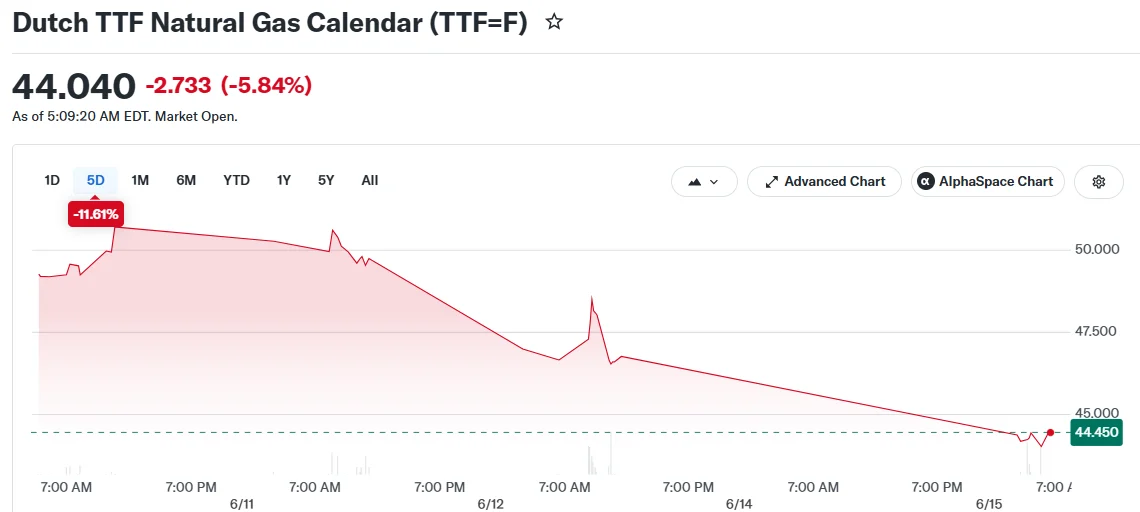
- Natural gas prices across Europe experienced steep declines, with Dutch benchmark contracts reaching their lowest point in a month
- The strategically vital Strait of Hormuz is scheduled to reopen following a formal signing event in Switzerland this Friday
Global financial markets are experiencing significant volatility on Monday following the announcement of a ceasefire between Washington and Tehran. Equity futures are climbing higher, crude oil valuations are retreating, and European natural gas futures are dropping as market participants digest the implications.
President Donald Trump revealed the diplomatic breakthrough late Sunday evening via Truth Social, describing the agreement as “complete.” Pakistani Prime Minister Shehbaz Sharif, whose government facilitated the negotiations, announced that an official signing ceremony will take place this Friday in Switzerland.
Iran’s Deputy Foreign Minister Gharibabadi validated the agreement during a broadcast on state-run television. Tehran has indicated its willingness to enter comprehensive peace negotiations within a 60-day timeframe.
Equity Futures Surge on Diplomatic Progress
Technology-heavy Nasdaq 100 futures dominated the morning rally, advancing more than 2%. The S&P 500 futures contract showed gains of 1.3%, while Dow Jones futures increased approximately 1%. These moves build on the momentum from Friday’s robust Wall Street performance.
SpaceX contributed to the optimistic market sentiment as well. The company’s stock climbed nearly 7% in pre-market activity following its initial public trading day on Friday, which saw shares rocket more than 19% and propelled the aerospace firm’s valuation beyond the $2 trillion threshold.

Market attention is also focused on the Federal Reserve’s upcoming policy announcement. The central bank’s interest rate decision arrives Wednesday. According to CME FedWatch indicators, traders are assigning a 98% probability to rates remaining at current levels.
Both the New York Stock Exchange and Nasdaq will observe the Juneteenth holiday with closures on Friday.
Energy Commodities Experience Sharp Declines
The ceasefire framework includes provisions for reopening the Strait of Hormuz, an essential corridor for international petroleum transport. Trump indicated the strategic waterway will become accessible for mine clearance operations after Friday’s formal agreement signing.
Brent crude futures declined approximately 5%, settling slightly above the $83 per barrel mark. West Texas Intermediate contracts dropped to approximately $80 per barrel.
European natural gas markets similarly experienced downward pressure. The Dutch front-month futures contract decreased to 33.36 euros per megawatt hour. The United Kingdom gas contract fell 6%, reaching 106.17 pence per therm. Both benchmarks touched their lowest valuations in more than a month.
Current European Union gas storage facilities stand at 44.34% capacity. During the corresponding period last year, storage levels reached 53.02%. This disparity highlights the ongoing challenge facing Europe as it attempts to replenish reserves ahead of the approaching winter season.
Reports suggest the agreement may grant Iran access to financial incentives, unfrozen assets, and reduced petroleum sanctions. The trajectory of Iran’s nuclear ambitions continues to be unresolved.
Investors are weighing both the geopolitical de-escalation and its tangible effects on energy availability. Despite falling prices, European storage capacity remains behind last year’s levels, maintaining some underlying tension in natural gas markets.
Get 3 Free Stock Ebooks
Discover top-performing stocks in AI, Crypto, and Technology with expert analysis.
- Top 10 AI Stocks - Leading AI companies
- Top 10 Crypto Stocks - Blockchain leaders
- Top 10 Tech Stocks - Tech giants



