


TLDR
- In late May 2026, Blue Origin’s New Glenn rocket detonated at its Cape Canaveral launch facility, causing significant infrastructure damage.
- One week following the disaster, Jeff Bezos announced via X that the company has established a clear recovery strategy to resume launches before year-end.
- Following the incident, AST SpaceMobile shares plummeted 15% and continue trading approximately $26 below their pre-explosion value.
- Karman, which provides components for Blue Origin, experienced a 13% stock decline to $57.50, maintaining similar levels since.
- Despite market reactions, both enterprises maintain their business forecasts remain fundamentally unaltered, with AST targeting early 2027 for commercial operations.
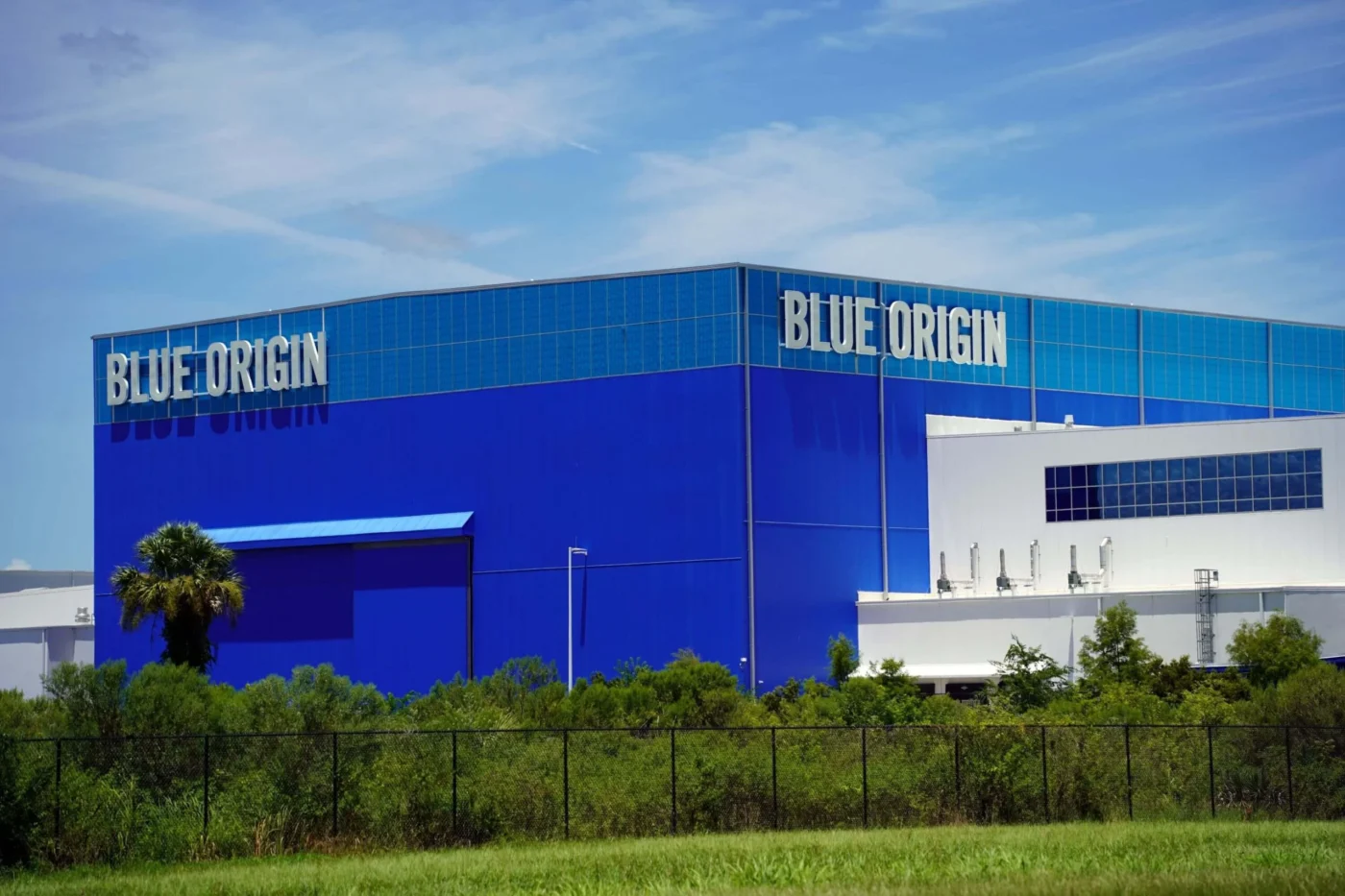
In a dramatic incident during late May 2026, Blue Origin’s New Glenn rocket detonated while positioned on its launch pad at Cape Canaveral, Florida. The catastrophic failure resulted in substantial infrastructure damage and triggered significant volatility across space sector equities.
However, Amazon founder and Blue Origin owner Jeff Bezos demonstrated confidence just seven days following the incident, declaring on X that teams are working around the clock with a “solid path forward to launch this year.” Blue Origin’s CEO David Limp had expressed similar confidence days earlier.
Space Sector Equities Feel the Impact
The immediate aftermath saw AST SpaceMobile shares tumble 15% the day following the explosion. Current trading levels remain depressed, approximately $26 below pre-incident valuations, hovering around $107 per share.
Karman, a critical supplier providing components for the New Glenn launch system, witnessed its stock drop 13% to $57.50. Trading activity has remained relatively stagnant at these reduced levels following the explosion.

Even Amazon’s stock wasn’t immune, declining roughly 1% on the news.
According to Westwood’s chief investment officer Adrian Helfort, the explosion represents “a pretty big setback, an under-appreciated setback.” He emphasized the vulnerability inherent in limited launch provider options. “SpaceX is great, but you can’t have just one supplier,” he explained.
Enterprises Maintain Forward Guidance
Notwithstanding the market turbulence, AST SpaceMobile and Karman both assert that the explosion hasn’t fundamentally altered their business trajectories.
During this week’s William Blair 46th Annual Growth Stock Conference, AST confirmed expectations to initiate its beta direct-to-device service during the latter portion of 2026. The timeline for full commercial service deployment remains targeted for the first half of 2027. Additionally, the company revealed authorization for 10×10 spectrum utilization in the Brazilian market.
Karman’s CEO Jon Rambeau expressed confidence that the company’s space division expansion plans remain uncompromised by the mishap. He revealed that Karman currently possesses over 90% visibility toward achieving the midpoint of annual revenue projections, which forecast 25% organic expansion.
William Blair analyst Louie DiPalma characterized Bezos’ confidence as encouraging for the space sector. He emphasized Blue Origin’s role as AST’s primary launch collaborator and noted Karman’s provision of specialized products for New Glenn, including aerodynamic interstage assemblies and protective panel systems. According to William Blair’s analysis, New Glenn comprises approximately 5% of Karman’s total business.
New Glenn represents a substantial reusable launch vehicle with capacity to transport 45 metric tons to low Earth orbit. For context, SpaceX’s Falcon 9 handles approximately 23 metric tons.
Despite recent turbulence, space sector equities have demonstrated broader upward momentum. AST shares maintain a 68% gain over the past thirty days. Rocket Lab stock has advanced 52% during the identical timeframe, while Firefly shares have climbed 31%.
The sector has experienced growing momentum in anticipation of SpaceX’s forthcoming IPO, scheduled to price in the coming week with an estimated valuation approaching $1.8 trillion.
Get 3 Free Stock Ebooks
Discover top-performing stocks in AI, Crypto, and Technology with expert analysis.
- Top 10 AI Stocks - Leading AI companies
- Top 10 Crypto Stocks - Blockchain leaders
- Top 10 Tech Stocks - Tech giants



