


Quick Summary
- Avis Budget (CAR) plummeted more than 40% Thursday, triggering eight separate trading halts amid extreme volatility.
- Combined losses over two consecutive sessions exceeded 57%, erasing gains from a nearly 600% rally since March.
- Short sellers netted $2.8 billion in profits Wednesday, recouping three days of previous losses.
- JPMorgan downgraded the stock to Underweight, setting a $165 target despite fundamental concerns.
- The violent price action recalls the GameStop short squeeze saga from 2021.
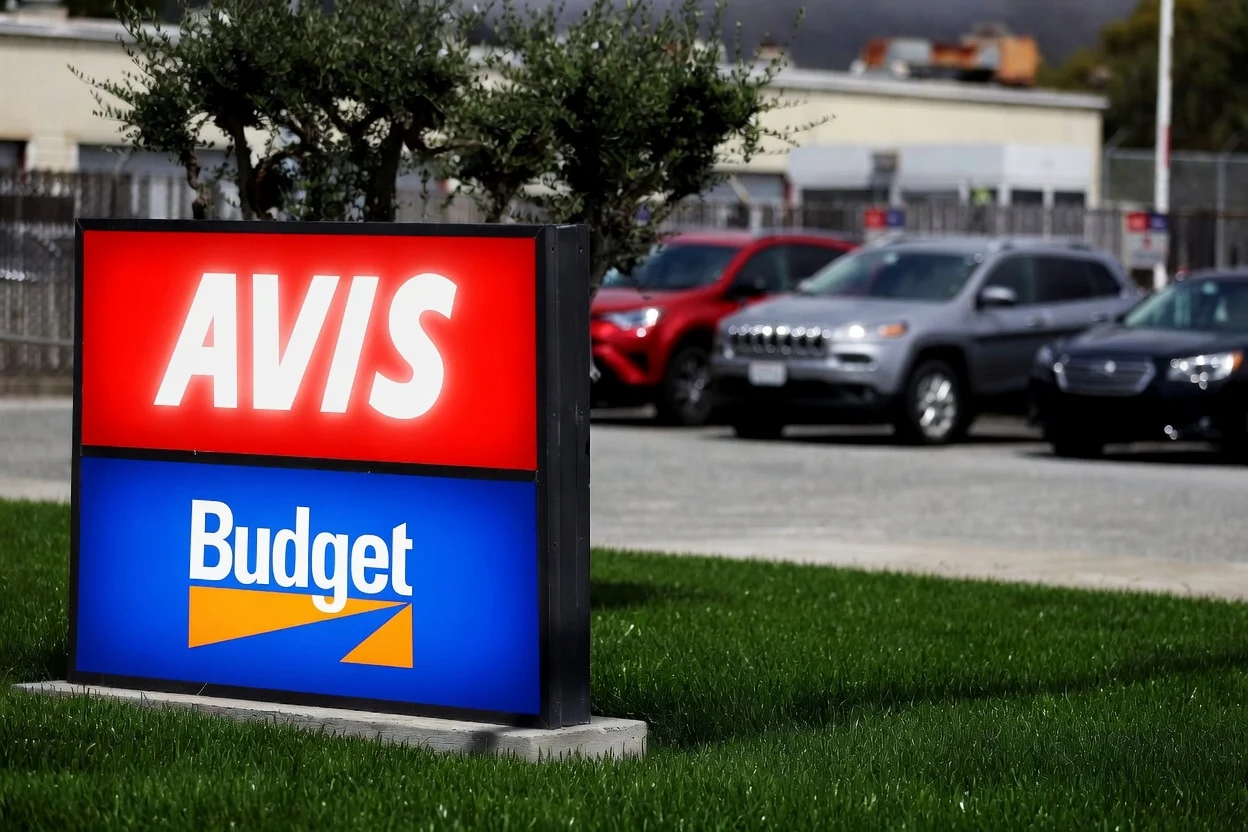
Despite reporting an $889 million net loss for 2025 and shouldering $25.3 billion in total liabilities, Avis Budget (CAR) somehow rallied nearly 600% in mere weeks. The subsequent reversal proved equally brutal.
Shares of CAR crashed more than 40% during Thursday’s session. Circuit breakers kicked in eight separate times as volatility spiked to extreme levels. This followed Wednesday’s 38% plunge, pushing total declines past 57% across just two trading days.
The rental car company’s shares had rocketed from below $100 in late March to an all-time peak approaching $850 during early Wednesday trading. The dramatic ascent was fueled by a short squeeze scenario that eventually led to one of the most dramatic reversals witnessed in recent market history.
By late Thursday morning hours, CAR shares were changing hands around the $265 level.

Massive Profits for Short Positions
Bearish traders endured substantial pain during the upward surge. Data indicates short sellers absorbed approximately $2.7 billion in losses across three consecutive sessions as shares squeezed relentlessly higher.
Wednesday’s dramatic selloff delivered $2.8 billion in single-day gains to short positions, based on analytics from S3 Partners. The squeeze dynamic has now completely unwound.
Options market activity reached fever pitch at the rally’s peak. More than 200,000 contracts changed hands on Wednesday alone. Implied volatility soared to 235%, dramatically outpacing the S&P 500’s approximately 20% reading.
Charles Schwab implemented revised margin requirements effective April 9. Traders holding concentrated CAR positions now face 100% margin requirements, effectively mandating all-cash transactions.
Analyst Downgrade Highlights Fundamental Concerns
JPMorgan’s Ryan Brinkman slashed his rating on CAR from Neutral to Underweight Thursday morning. His revised price target of $165 represented an increase from the previous $123 mark.
Even with a 34% target price increase, Brinkman emphasized the stock had climbed “far above the level we feel can be justified by even the most optimistic view of underlying earnings fundamentals.”
While acknowledging management might leverage the inflated valuation for capital market opportunities, Brinkman concluded this possibility alone couldn’t support maintaining a neutral stance.
Research provider Fugazi highlighted concerning metrics. Avis delivered $11.65 billion in total revenue during 2025 yet recorded an $889 million net loss. This followed 2024’s even larger $1.8 billion deficit.
The company’s debt burden totals $25.3 billion. Stockholders’ equity registers at negative $3.1 billion. Operating earnings cover roughly $0.56 for each dollar of interest obligations.
Two institutional players occupy central roles in this narrative. SRS Investment Management accumulated its stake over nine years through debt-funded float engineering strategies, placing its own partners in the CEO and Executive Chairman positions. Pentwater Capital Management transitioned to unhedged long exposure during March 2026 via its Merger Arbitrage Master Fund.
Their collective economic exposure surpassed 100% of CAR’s available float. With merely 36 million shares outstanding and an even smaller freely trading pool, circumstances were ideal for explosive squeeze dynamics.
Trading volume over the past two days alone surpassed 10 million CAR shares.
Avis Budget has scheduled its first quarter 2026 earnings release for April 29 at 7:00 a.m. Eastern time, with a corresponding investor conference call at 8:30 a.m. Eastern.
Get 3 Free Stock Ebooks
Discover top-performing stocks in AI, Crypto, and Technology with expert analysis.
- Top 10 AI Stocks - Leading AI companies
- Top 10 Crypto Stocks - Blockchain leaders
- Top 10 Tech Stocks - Tech giants



