


Key Highlights
Leading cryptocurrency organizations demand Senate acceleration of Clarity Act legislation
International regulatory competition intensifies urgency for U.S. digital asset framework
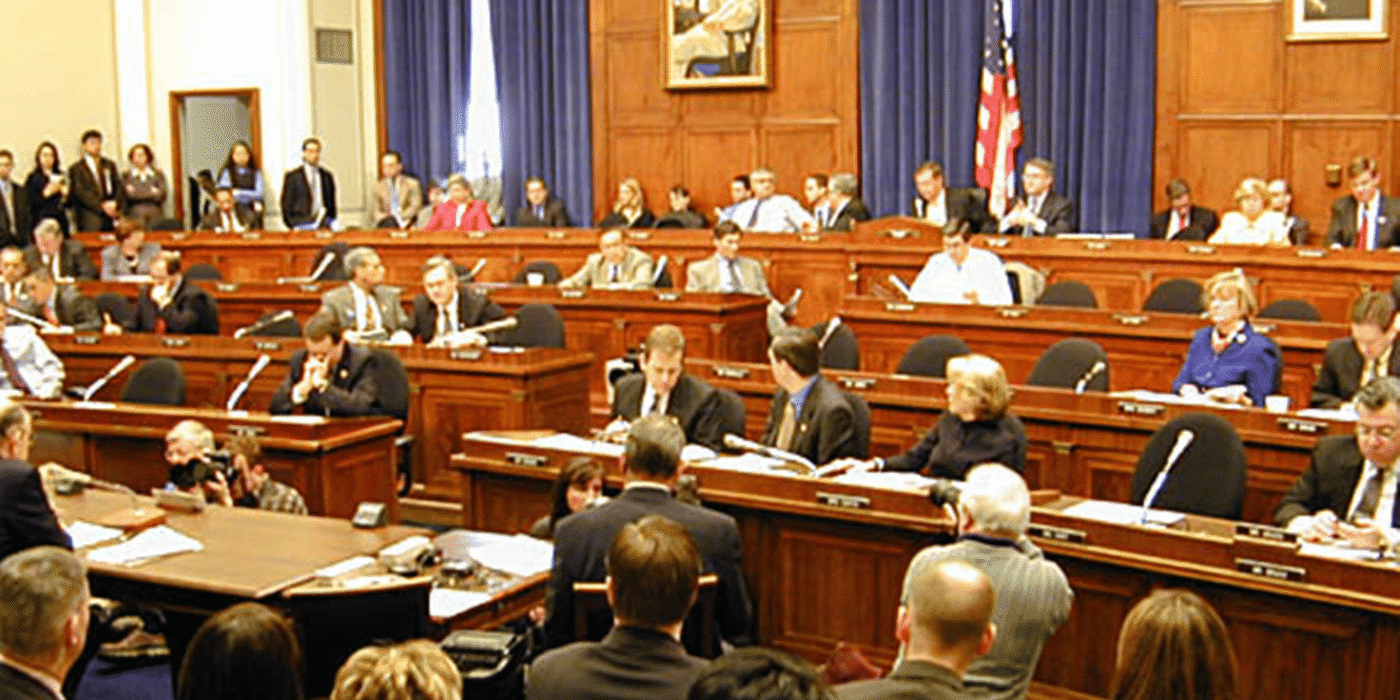
Banking Committee confronts mounting industry demands for legislative movement
Influential blockchain companies form unified front supporting regulatory clarity
Proposed legislation viewed as essential for maintaining American financial innovation leadership
Prominent cryptocurrency organizations have amplified their campaign for expedited legislative action on the Clarity Act, directing urgent appeals to the U.S. Senate Banking Committee. This united front of industry stakeholders cautioned that continued postponement threatens America’s standing in the digital finance ecosystem. Representatives from across the blockchain sector underscored that comprehensive regulatory legislation remains crucial for creating definitive guidelines governing digital assets.
Unified Blockchain Sector Demands Legislative Movement
An extensive alliance spearheaded by the Blockchain Association and the Crypto Council for Innovation delivered an official letter to congressional decision-makers. The communication reached prominent legislators including Elizabeth Warren and Tim Scott. Ruben Gallego and Cynthia Lummis were among the other recipients.
The collaborative effort called for initiating markup procedures to move the Clarity Act forward in the legislative process. Coalition members maintained that regulatory agency initiatives alone cannot substitute for thorough statutory frameworks. They contended that this proposed legislation would establish enduring stability for cryptocurrency markets.
Notable industry participants included Circle and Coinbase among the letter’s signatories. Ripple and Kraken also lent their support to this initiative. Therefore, the alliance demonstrated remarkable consensus regarding the critical nature of enacting this legislation.
Regulatory Framework Components and Outstanding Issues
Congressional representatives have previously examined multiple policy components related to the Clarity Act’s scope. These encompass stablecoin incentive structures and enhanced jurisdictional clarity between the Commodity Futures Trading Commission and Securities and Exchange Commission. Additionally, the proposed statute seeks to establish oversight parameters for tokenized securities.
The industry coalition highlighted necessary safeguards for engineers building decentralized platforms. Moreover, it advocated for uniform federal guidelines applicable nationwide through the Clarity Act. Consequently, industry participants maintain this legislation could minimize regulatory fragmentation while enhancing compliance effectiveness.

Ongoing negotiations have demonstrated advancement regarding stablecoin reward components within the Clarity Act. Nevertheless, sources indicate multiple obstacles persist before ultimate passage. Legislative architects continue refining specific provisions while preserving emphasis on comprehensive regulatory architecture.
Scheduling Constraints and International Regulatory Race
Forward movement on the Clarity Act persists notwithstanding evolving Senate scheduling considerations. Current projections suggest legislators target completion of market structure bills before June. Ethical considerations and political dynamics have introduced additional complications to deliberative processes.
International regulatory developments have heightened urgency for American lawmakers addressing the Clarity Act. Territories including Hong Kong and the United Kingdom have previously established more definitive cryptocurrency frameworks. Thus, American legislative inaction risks transferring technological development and investment capital to foreign jurisdictions.
The coalition warned that prolonged regulatory ambiguity may relocate employment opportunities and innovation overseas. Accordingly, they characterized the Clarity Act as indispensable for preserving American competitive advantages. Ultimately, the blockchain sector maintains sustained advocacy for prompt legislative resolution to ensure regulatory stability.
Get 3 Free Stock Ebooks
Discover top-performing stocks in AI, Crypto, and Technology with expert analysis.
- Top 10 AI Stocks - Leading AI companies
- Top 10 Crypto Stocks - Blockchain leaders
- Top 10 Tech Stocks - Tech giants



