


Key Highlights
- XRP is valued at approximately $1.33 per token with an $81.6B market capitalization; Solana sits at $82.29 with a $47.3B market cap
- Ripple’s legal battle with the SEC has concluded, though a $125M penalty and restrictions on institutional token sales persist
- Mastercard, Worldpay, and Western Union have joined Solana’s Developer Platform as inaugural participants
- XRP concentrates on international payment systems; Solana’s ecosystem encompasses payments, stablecoins, asset tokenization, and development infrastructure
- Solana’s token circulation nears its maximum supply, creating more transparent valuation metrics compared to XRP
XRP and Solana represent two of the most closely monitored major cryptocurrencies beyond Bitcoin and Ethereum. While both enjoy significant market recognition, they present distinctly different value propositions for potential investors.
Data from CoinGecko shows XRP currently priced near $1.33, commanding a market capitalization of approximately $81.6 billion. Meanwhile, Solana trades around $82.29 with a market cap hovering near $47.3 billion. By market valuation, XRP maintains the leading position.
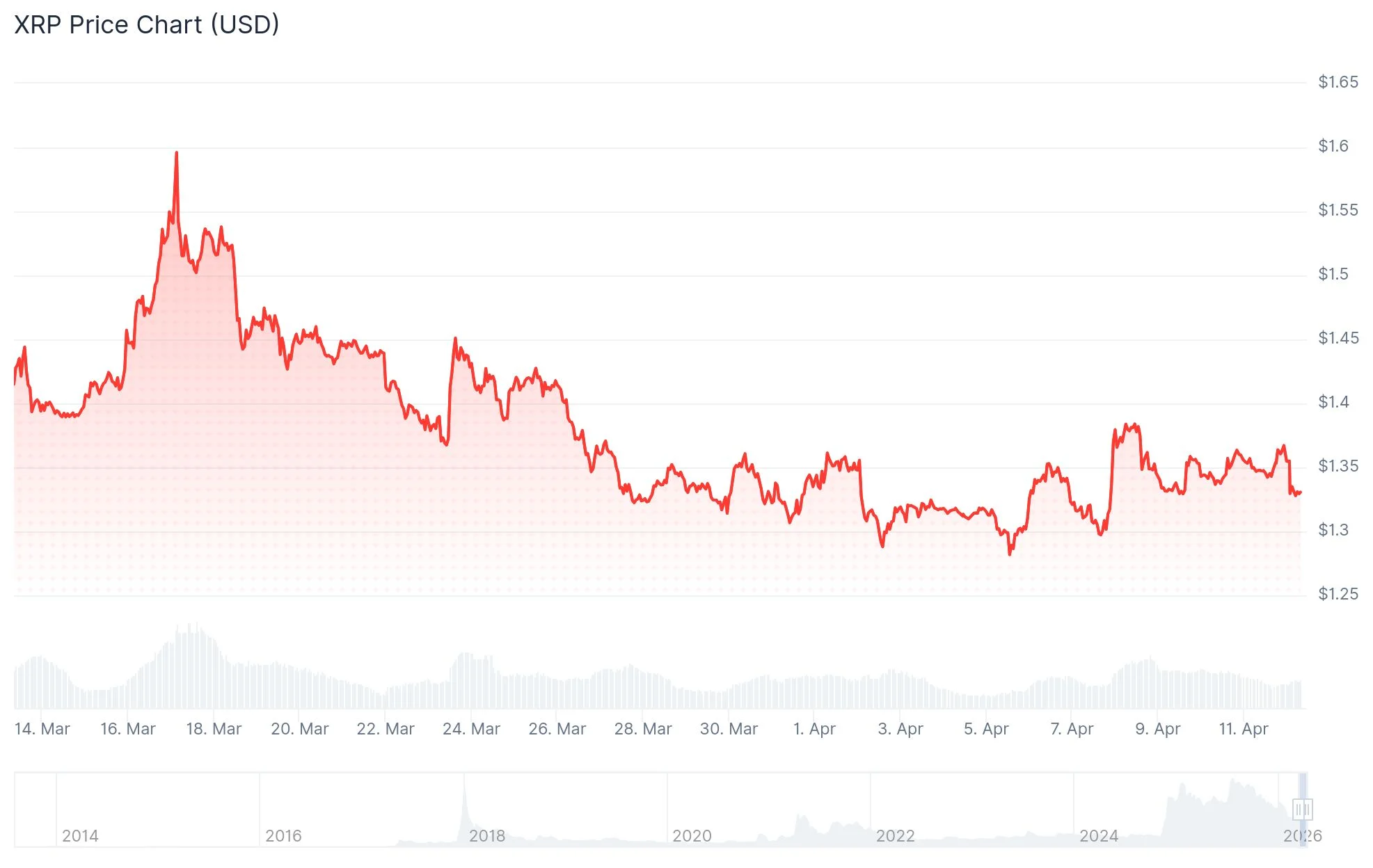
This disparity in market size carries implications for growth potential. Given XRP’s substantially higher valuation, Solana may possess greater upside potential if development momentum continues.
XRP’s value proposition centers on facilitating cross-border transactions and Ripple’s expansion into financial services infrastructure. According to Reuters, the protracted legal dispute between Ripple and the SEC has essentially concluded.
Yet the resolution isn’t entirely clean. A $125 million financial penalty stands, alongside ongoing restrictions governing institutional sales of XRP tokens.

This creates a nuanced outlook for XRP heading deeper into 2026. While regulatory headwinds have diminished from their peak intensity during litigation, the asset’s price trajectory remains substantially tied to Ripple’s ability to drive real-world utilization.
Solana’s Multi-Vertical Strategy
Solana’s development extends across numerous applications. The blockchain supports payment systems, stablecoin infrastructure, tokenized securities, developer resources, and enterprise-grade blockchain solutions.
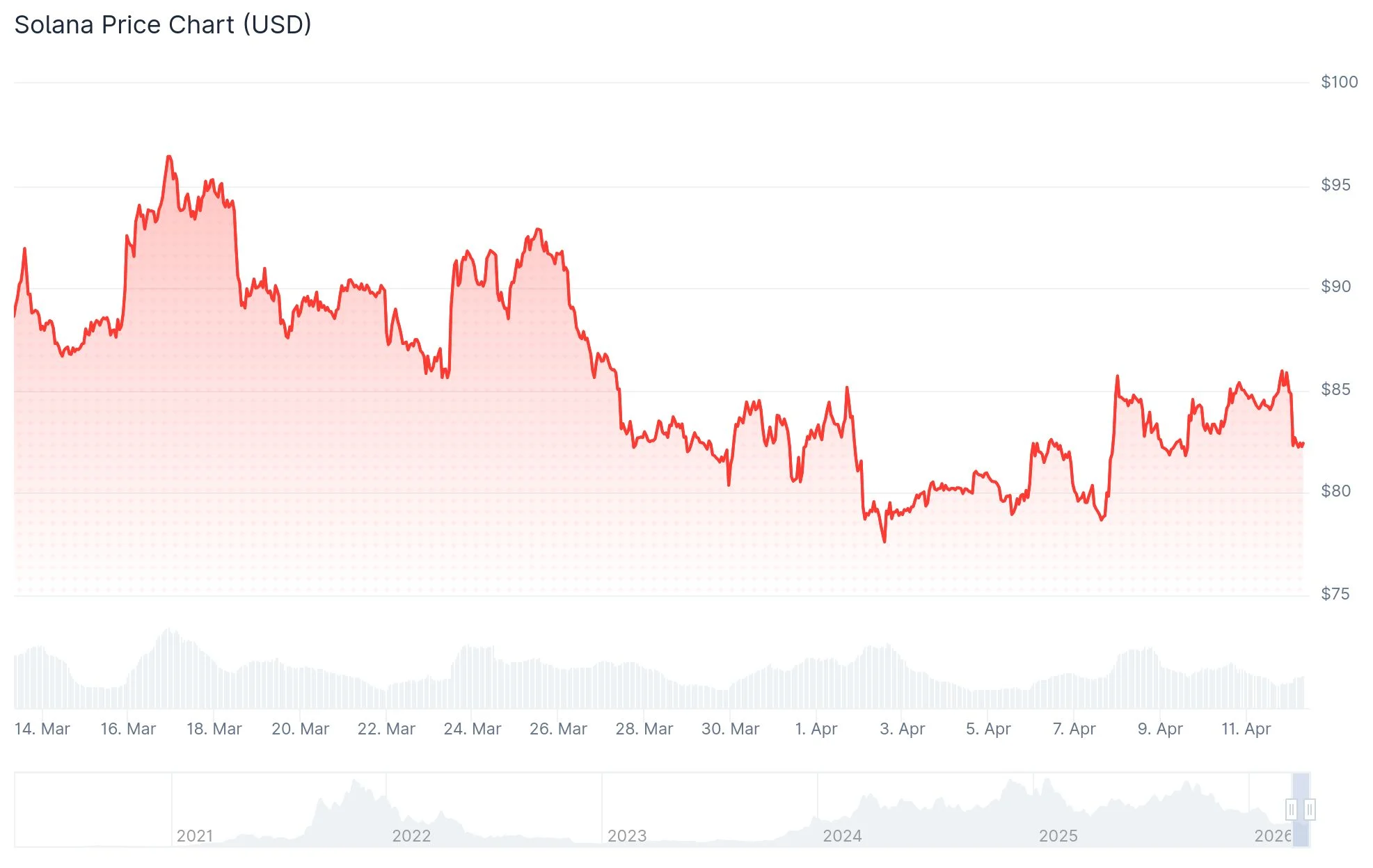
In March 2026, Solana revealed its ecosystem progress, announcing the rollout of the Solana Developer Platform. Financial giants Mastercard, Worldpay, and Western Union were identified as founding participants in this initiative.
This level of corporate engagement across diverse industries contrasts sharply with XRP’s narrower focus on payment corridors. Platforms serving multiple sectors typically attract investment capital from varied sources over extended periods.
Token Economics Breakdown
XRP maintains a hard cap of 100 billion tokens, with approximately 61 billion currently in circulation. This substantial difference between circulating and total supply remains a point of ongoing scrutiny among market participants.
Solana currently has about 570 million tokens circulating from a total supply approaching 574.5 million. This tight distribution means its market price more accurately represents its fully diluted valuation.
Solana does experience continual token emission through its staking mechanism, a consideration worth acknowledging. XRP doesn’t face comparable ongoing issuance pressures.
Solana also exhibits greater price fluctuation than XRP. It’s not the optimal choice for risk-averse portfolio strategies.
Investors seeking straightforward narratives may prefer XRP, which offers a well-understood use case, extensive exchange accessibility, and improved regulatory clarity compared to previous years.
Those prioritizing expansion potential and ecosystem development may find Solana’s broader adoption trajectory and corporate alliances more compelling as we progress through mid-2026.
The integration of Mastercard, Worldpay, and Western Union into Solana’s Developer Platform during its initial phase represents the most significant institutional milestone reported for either asset in recent months.
Concluding Analysis
Both XRP and Solana have secured their positions among premier cryptocurrency assets. XRP benefits from improved legal standing and dedicated institutional backing. Solana offers a more diversified platform, marquee corporate partnerships, and robust ecosystem expansion. The optimal choice hinges on whether investors prefer a concentrated thesis or a broader exposure across multiple use cases.
Get 3 Free Stock Ebooks
Discover top-performing stocks in AI, Crypto, and Technology with expert analysis.
- Top 10 AI Stocks - Leading AI companies
- Top 10 Crypto Stocks - Blockchain leaders
- Top 10 Tech Stocks - Tech giants



