



Key Takeaways
- Ethereum operates as the dominant smart contract blockchain with extensive applications across DeFi, NFTs, stablecoins, and asset tokenization
- XRP maintains a specialized focus on cross-border payments and institutional settlement solutions, representing a more targeted investment approach
- Ethereum’s growth is supported by Layer 2 scaling solutions, robust developer engagement, and diversified revenue streams
- XRP presents greater upside potential but carries dependency risks tied to institutional adoption reaching critical mass
- Franklin Templeton’s XRP ETF application signals growing institutional consideration, though real-world usage remains behind expectations
Ethereum and XRP represent two fundamentally distinct approaches within the cryptocurrency landscape. The decision between these digital assets extends beyond simple token selection—it requires choosing between competing technological visions and business strategies.
Ethereum functions as a programmable blockchain platform. Its infrastructure supports decentralized financial protocols, digital collectibles, stablecoin issuance, real-world asset tokenization, and countless decentralized applications. XRP, conversely, was engineered specifically for payment processing, cross-border settlement, and facilitating institutional financial transfers.
Why Ethereum’s Network Ecosystem Provides a Competitive Edge
Ethereum maintains a substantial advantage through powerful network effects. Development teams gravitate toward the platform because users, capital, development frameworks, and supporting infrastructure already exist in abundance. This creates a self-reinforcing growth pattern: expanding application diversity attracts additional users, growing user bases deepen liquidity pools, and enhanced liquidity draws further development talent.
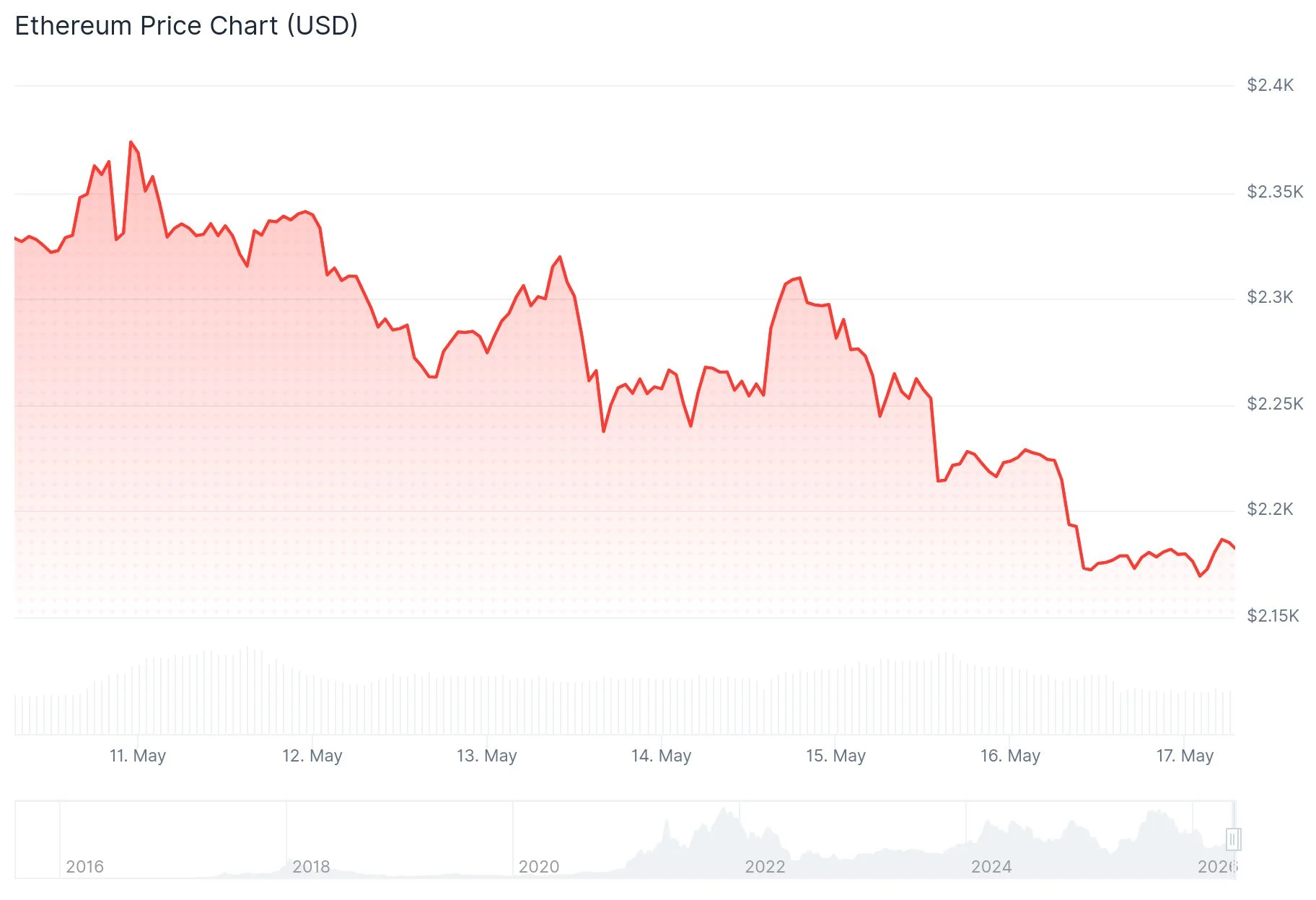
Ethereum has further evolved through the implementation of Layer 2 scaling solutions. These technologies dramatically lower transaction fees while maintaining Ethereum as the foundational security and settlement infrastructure. This architectural evolution means Ethereum has transformed beyond a single blockchain into an interconnected financial network.
For investment considerations, this diversification proves significant. Ethereum possesses numerous expansion vectors: decentralized finance protocols, stablecoin infrastructure, institutional exchange-traded products, proof-of-stake rewards, tokenization platforms, and Layer 2 transaction volume. This diversity creates multiple independent pathways toward value appreciation.

XRP lacks comparable ecosystem breadth. While the XRP Ledger delivers speed and transaction efficiency, it has failed to cultivate an extensive application development community. The token’s value proposition remains heavily concentrated within payment corridors and institutional settlement use cases.
XRP Presents Greater Return Potential Alongside Elevated Risk
XRP maintains approximately $87 billion in total market capitalization, positioning it below Ethereum’s valuation. Should XRP successfully capture substantial institutional payment volume combined with ETF-driven investment demand, the token price could experience significant appreciation from present levels.
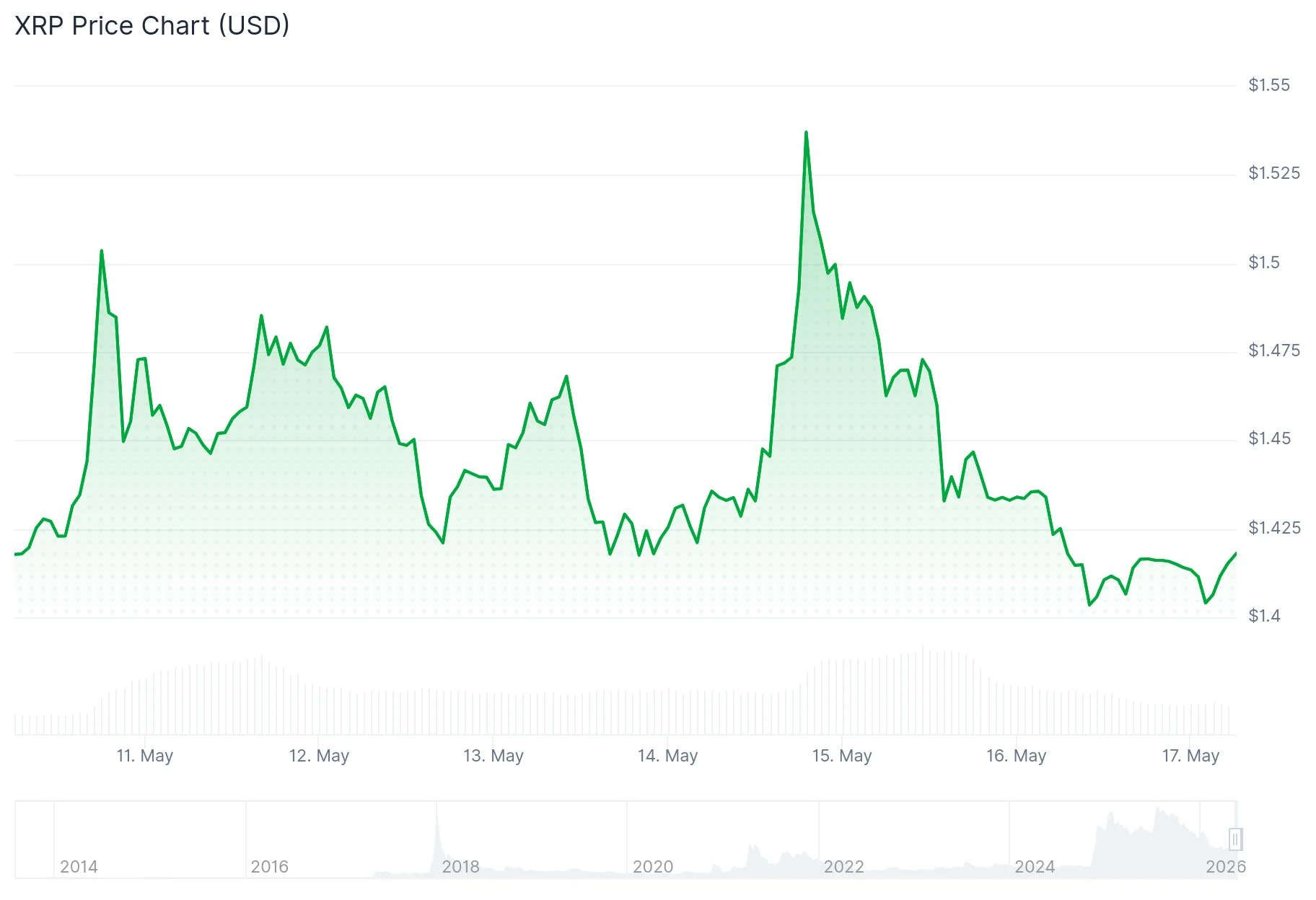
Ripple representatives have indicated that XRP exchange-traded fund proposals are generating notable institutional attention. Reuters confirmed that Franklin Templeton submitted regulatory filings for an XRP ETF, demonstrating that traditional asset managers are expanding cryptocurrency exposure beyond Bitcoin.
However, XRP’s primary vulnerability stems from the gap between its narrative and practical implementation. Financial institutions may ultimately favor alternative technologies: fiat-backed stablecoins, permissioned blockchain networks, Ethereum-based tokenization frameworks, or government-issued digital currencies. Should this scenario materialize, XRP would face considerable challenges sustaining valuation growth.
Ethereum faces distinct challenges as well. Network congestion can trigger fee escalation during periods of elevated activity. Solana continues presenting competitive pressure. Citi research has highlighted Ethereum’s vulnerability to fluctuating network utilization and evolving regulatory frameworks. Additionally, transaction volume has increasingly migrated toward Layer 2 platforms rather than the base layer.
Nevertheless, Ethereum maintains diversified success pathways. XRP fundamentally requires institutional payment adoption achieving meaningful scale. Ethereum’s value proposition does not hinge on any singular outcome.
For investors pursuing a balanced cryptocurrency allocation with lower concentration risk, Ethereum delivers superior fundamentals, broader developer support, and deeper market liquidity. XRP serves investors comfortable accepting elevated risk in exchange for potentially outsized returns contingent on the institutional payments adoption thesis materializing successfully.
Get 3 Free Stock Ebooks
Discover top-performing stocks in AI, Crypto, and Technology with expert analysis.
- Top 10 AI Stocks - Leading AI companies
- Top 10 Crypto Stocks - Blockchain leaders
- Top 10 Tech Stocks - Tech giants



