


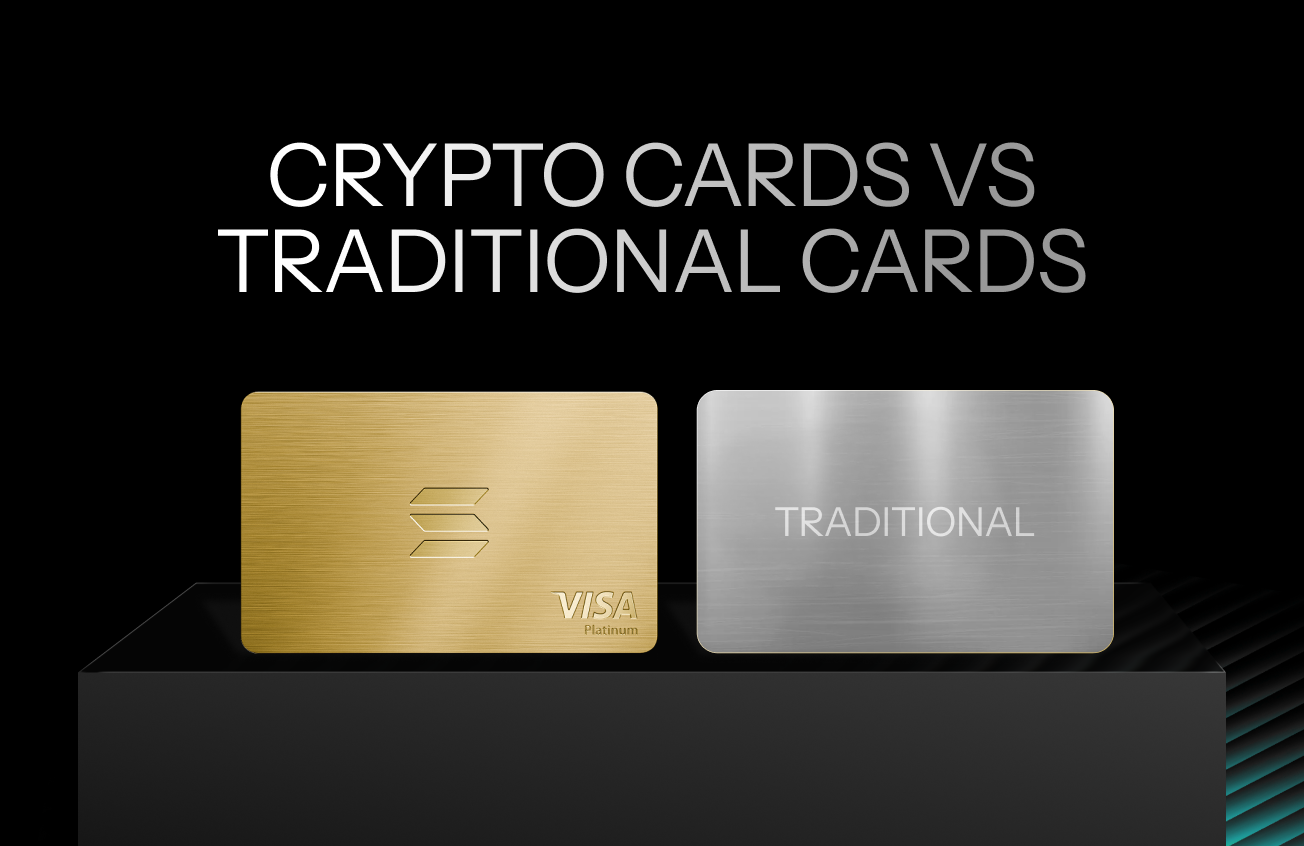
Crypto cards have become far more common in 2026. You can tap your phone and pay with crypto, get higher rewards than most debit cards, and manage everything from a sleek app. It’s no surprise people are asking a bigger question: will crypto cards eventually replace traditional cards?
The short answer? Not completely – at least not yet.
But they are becoming a meaningful part of everyday spending, and in some cases, they’re already outperforming legacy cards.
Let’s break down what’s actually happening, what crypto cards do better, where traditional cards still win, and what the future might look like.
Why Crypto Cards Are Becoming More Common
Crypto cards used to feel like something experimental. Now, they just fit into your everyday life. You can use them for groceries, gas, online shopping, subscriptions – just like any other card. The real difference is in what’s happening behind the scenes.
Here’s what’s driving that shift:

- Instant crypto-to-fiat conversion makes spending effortless.
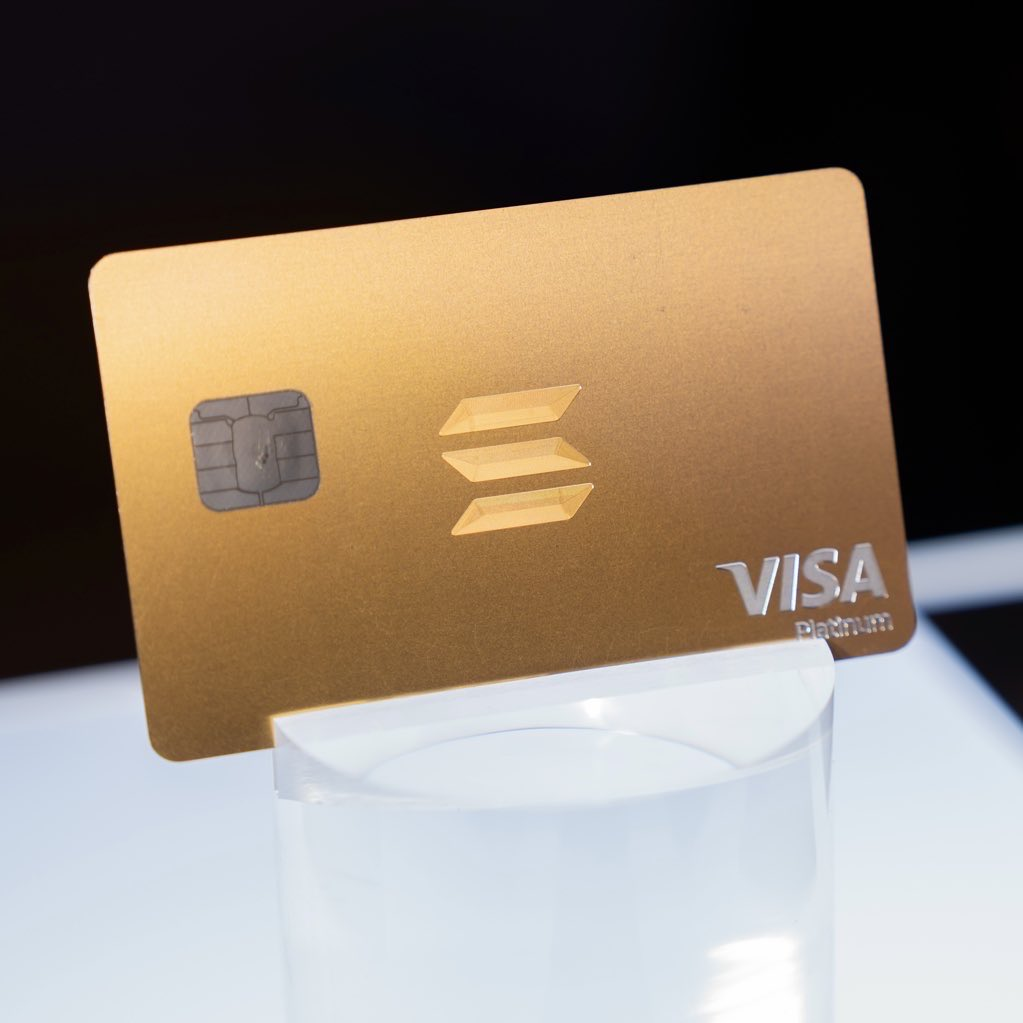
- Higher reward potential appeals to everyday spenders.
- Mobile wallet support means you can tap-to-pay with Apple Pay or Google Pay immediately.
- Flexible funding lets you choose which balance covers your purchase.
Modern apps make it easier to control your card than many banks do.
Platforms like **KAST show how things are changing – not by replacing banks, but by offering card experiences that feel more modern than what you usually get from traditional providers.
Where Crypto Cards Are Becoming Popular
Crypto cards have a few natural advantages that make them appealing:
1. Better Everyday Rewards
Many crypto cards can offer you higher earning potential than traditional debit cards and even some credit cards. With rotating boosts, seasonal promos, or flexible rewards, you can earn more without changing your habits.
2. Faster, More Flexible Funding
Because you can load a crypto card instantly from a wallet or balance, you’re not tied to one bank account. This flexibility is a big win for people who move between apps, platforms, or currencies.
3. Strong Global Use
Crypto cards often have clearer FX fees and work smoothly abroad. Travelers like the simplicity.
4. Clean, Modern Apps
Traditional banks often use outdated apps, while crypto card providers usually build with your phone in mind first – so everything feels simpler and easier to use.
Where Traditional Cards Still Hold the Lead
Even with all the innovation, traditional cards aren’t going anywhere anytime soon.
1. Credit Building
Crypto cards (especially prepaid ones) don’t help build your credit score. So if you’re trying to build or improve your credit, traditional cards still matter.
2. Established Protections
Credit cards come with strong protections like: fraud coverage, purchase protection, and easy dispute processes – that have been built up over time. Crypto cards are getting better quickly, but traditional cards are still more established in this area.
3. Trust and Familiarity
For you, banks can feel more familiar and predictable. Crypto cards are getting easier to use, but there’s still a bit to learn at first.
Crypto Cards vs Traditional Cards: Where Each One Shines
Category | Crypto Cards | Traditional Cards |
Rewards | Often higher, with rotating boosts and seasonal promos. | Steady but usually lower, with fixed categories. |
Funding | Instantly loadable from wallets; highly flexible. | Linked to one bank or credit line; less flexible. |
App Experience | Modern, intuitive, mobile-first design. | Many apps feel older and less user-friendly. |
Credit Impact | Usually no credit-building benefits. | Strong credit-score impact and long history. |
Protections | Improving but still developing. | Mature fraud protections and dispute systems. |
Familiarity | Newer, still gaining mainstream trust. | Well-established and universally understood. |
Will Crypto Cards Replace Traditional Cards?
It’s unlikely that crypto cards will fully replace traditional cards anytime soon. What’s happening instead is something more interesting:
Crypto cards are becoming a second primary card
Instead of replacing your traditional cards, crypto cards are becoming another option you can use alongside them in your wallet or app. You might use a crypto card for everyday spending – where rewards and flexibility matter – and keep your regular card for building credit or bigger purchases.
You’re not fully switching – you’re just using a mix of both.
In many ways, the question isn’t “Will crypto cards replace traditional cards?” It’s “Which card will you reach for first?”
And increasingly, people are reaching for the crypto-powered one.
 A Future With Both
Crypto cards and traditional cards solve different problems – one focuses on flexibility and modern rewards, the other on credit and long-standing protections. In 2026, the most realistic future is a blend of both.
Crypto cards aren’t here to eliminate the old system. They’re here to push it forward.
If you’re curious about what a modern crypto card experience feels like, KAST offers a simple way to try it without replacing the cards you already use. You might find that the “future of spending” fits right into your everyday routine.
Get 3 Free Stock Ebooks
Discover top-performing stocks in AI, Crypto, and Technology with expert analysis.
- Top 10 AI Stocks - Leading AI companies
- Top 10 Crypto Stocks - Blockchain leaders
- Top 10 Tech Stocks - Tech giants



