


Quick Summary
- SPCE downgraded from “hold” to “sell” by Wall Street Zen on April 4, 2026
- Shares currently trading near $2.43, while analyst consensus price target stands at $3.45
- Company launching new ticket sales for Delta Class spacecraft at $750,000 per passenger
- Q1 earnings showed EPS loss of ($0.98), surpassing expectations, though revenue of $0.31 million fell short
- Jefferies lowered price objective from $8.00 to $5.00 while maintaining “buy” stance amid cash flow timing worries
Shares of Virgin Galactic (SPCE) began Friday’s session at $2.43, slipping 1.4% during trading.
Virgin Galactic Holdings, Inc., SPCE
Wall Street Zen issued a downgrade for SPCE on April 4, 2026, shifting its recommendation from “hold” to “sell.” This adjustment contributes to a broadly skeptical analyst outlook, with MarketBeat’s aggregate rating at “Reduce” and a mean price objective of $3.45.
Morgan Stanley maintains an “underweight” stance with a $2.30 price target. Weiss Ratings similarly assigns a “sell” recommendation. Among the six tracked analysts, one maintains a buy rating, three suggest holding, and two recommend selling.
Jefferies revised its price forecast downward from $8.00 to $5.00 recently, while preserving its “buy” recommendation. The investment firm cited uncertainty around cash flow schedules as a primary concern within the developing space tourism industry.

SPCE’s 52-week trading range spans from $2.13 to $6.64. The stock’s 50-day moving average stands at $2.56, while the 200-day average is $3.25. With a beta of 2.20, the shares demonstrate significant volatility compared to broader market movements.
On March 30, Virgin Galactic announced Q1 earnings per share of ($0.98), exceeding the consensus forecast of ($1.12). However, revenue totaled just $0.31 million, falling below analyst projections of $0.41 million.
The company’s return on equity registers at negative 108.78%, with a net margin of negative 18,063.93%. The debt-to-equity ratio measures 1.87, while a current ratio of 2.87 indicates reasonable near-term financial flexibility.
Market capitalization currently hovers around $177 million. Wall Street forecasts full-year EPS of ($16.05) for the ongoing fiscal period.
Delta Class Launch and Premium Pricing
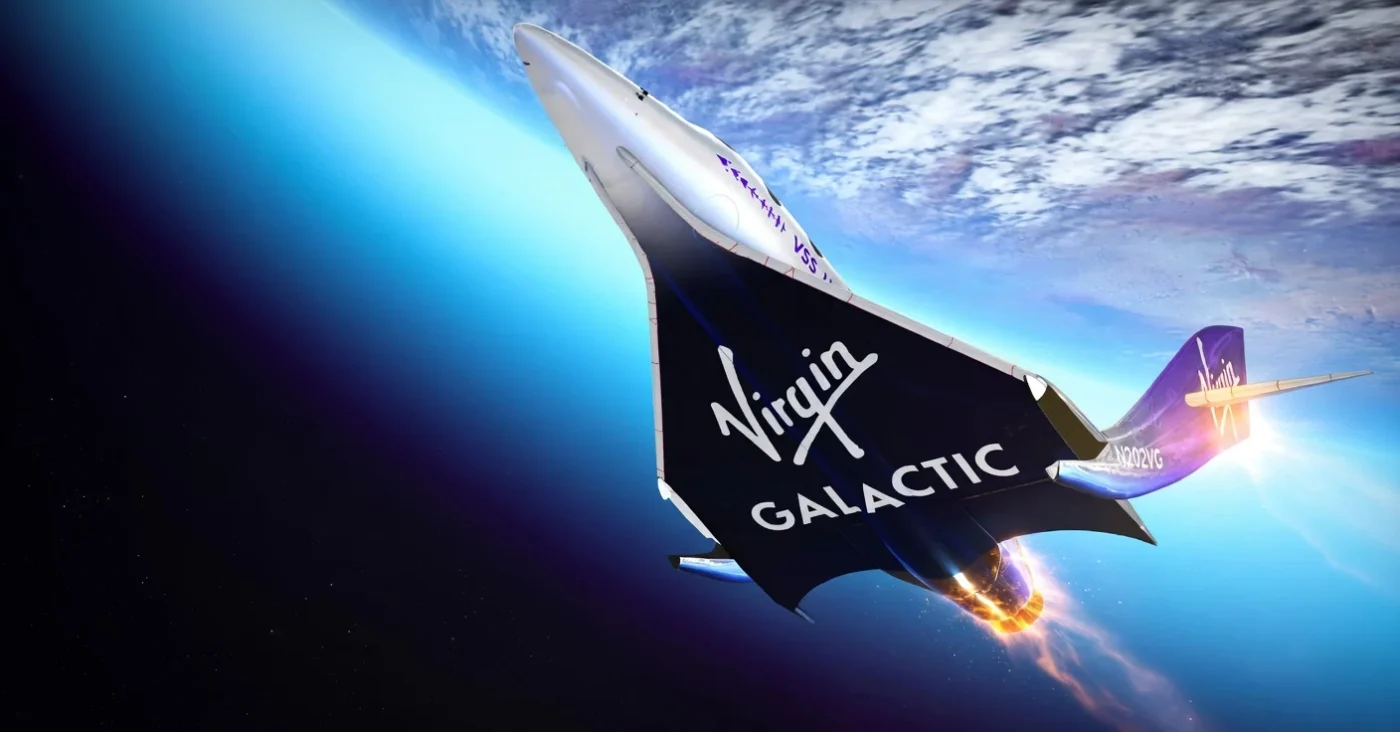
Coinciding with the analyst downgrades, Virgin Galactic opened bookings for flights aboard its upcoming Delta Class spacecraft. The reservation price is set at $750,000 per seat — representing a $150,000 increase from the $600,000 rate charged in 2023.
The Delta Class design accommodates six passengers, expanding capacity by two seats compared to earlier models. Virgin Galactic plans to conduct test operations this summer, with revenue-generating flights scheduled to commence in autumn. The flight program will begin with research missions, followed by passenger service launching six to eight weeks thereafter.
The organization is releasing an initial allocation of 50 tickets before temporarily suspending sales. CEO Michael Colglazier indicated that pricing will escalate in subsequent rounds, though specific amounts remain undisclosed.
Additionally, a queue of 675 “founding astronauts” — individuals who secured deposits years earlier — will fly at discounted rates compared to new customers.
Scaling to 10 Monthly Missions
Virgin Galactic’s most recent commercial mission was Galactic 07, conducted on June 8, 2024. That flight marked the conclusion of VSS Unity’s operational period, the company’s inaugural spacecraft.
Colglazier has established an objective of conducting 10 flights monthly by 2027, translating to approximately 60 passengers per month. Achieving this operational tempo hinges on the outcomes of summer testing protocols.
Institutional stakeholders control 46.62% of SPCE shares. Multiple investment firms expanded their holdings in recent quarters, including Truist Financial Corp, which boosted its position by 78.2% during Q4.
Susquehanna established a $3.50 price target in January 2026.
Get 3 Free Stock Ebooks
Discover top-performing stocks in AI, Crypto, and Technology with expert analysis.
- Top 10 AI Stocks - Leading AI companies
- Top 10 Crypto Stocks - Blockchain leaders
- Top 10 Tech Stocks - Tech giants



