


TLDR
- SEC and CFTC signed an MOU to coordinate crypto oversight and digital asset policy.
- The agencies plan regular meetings, data sharing, and joint reviews of market activity.
- The pact aims to reduce conflicting actions and clarify each agency’s role in crypto.
- The agreement comes as Congress advances a crypto market structure bill in the US.
The US SEC and CFTC have signed a new agreement on crypto oversight. The move brings the two agencies into closer coordination on digital assets. It also points to a more unified US approach for crypto products and supervision.
US SEC and CFTC move toward joint crypto oversight
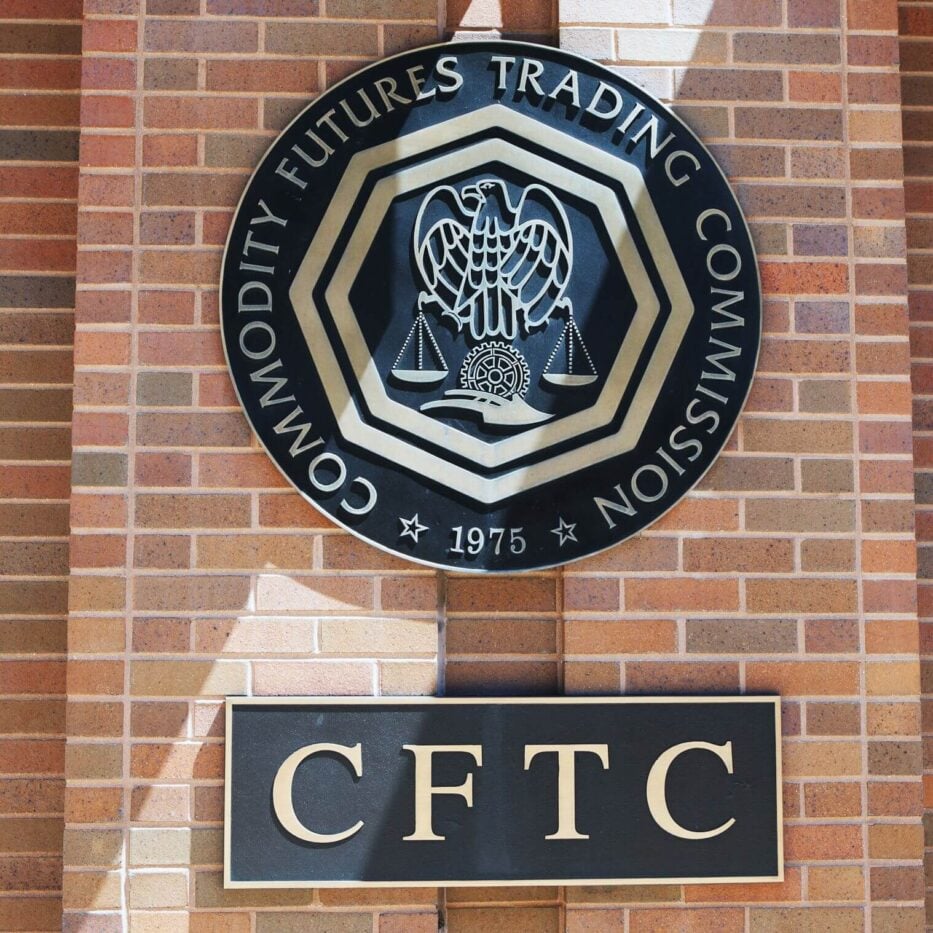
The US Securities and Exchange Commission and the Commodity Futures Trading Commission said they signed a Memorandum of Understanding on Wednesday. The agencies said the agreement will guide coordination and collaboration on lawful innovation, market integrity, and investor and customer protection.
For years, crypto firms faced questions over which agency had authority over many tokens. The SEC often viewed some tokens as securities, while the CFTC treated some digital assets as commodities. That split created overlap, and it also created uncertainty for exchanges, issuers, and investors.
The agencies said the MOU is designed to improve communication before regulatory issues grow. It includes regular meetings on emerging matters, and it also sets procedures for real-time data sharing on market events and incidents. The document also supports joint reviews and cross-market surveillance.
A key part of the agreement is staff coordination. The SEC and CFTC said they will cross-train staff on each agency’s role and approach. The agencies also said they plan coordinated enforcement so that the same asset does not face conflicting treatment in separate cases.
Agreement supports policy work on digital asset products
The SEC and CFTC said the MOU supports work on federal policy for crypto assets and other emerging technologies. In their statement, both agencies said they want a “fit-for-purpose regulatory framework” for crypto and related products.

SEC Chairman Paul Atkins said the deal addresses long-running conflicts between the agencies. He said, “For decades, regulatory turf wars, duplicative agency registrations, and different sets of regulations between the SEC and CFTC have stifled innovation and pushed market participants to other jurisdictions.”
That statement frames the agreement as an effort to reduce overlap in registrations and compliance. It also suggests that future rulemaking may be more coordinated. For market participants, that could mean clearer expectations on product design, disclosures, and oversight.
The MOU does not settle every legal question around crypto assets. It does, however, create a process for both agencies to work together more often. That process could shape reviews of exchange products, token listings, derivatives, and other digital asset services.
Clearer roles may support institutional participation
The agreement comes as Congress advances a crypto market structure bill, according to the details provided. Together, legislative action and agency coordination may give firms a clearer view of US regulatory direction.
Large investors have often cited regulatory uncertainty as a barrier to wider crypto exposure. When agencies differ on classification and oversight, firms can face higher legal and compliance costs. A more coordinated framework may reduce that risk, and it may also help firms plan product launches.
The MOU also matters for stablecoins and other digital asset products that interact with both cash and derivatives markets. Shared surveillance and joint examinations could improve oversight across linked trading venues. That may matter for firms that need consistent treatment across markets.
Get 3 Free Stock Ebooks
Discover top-performing stocks in AI, Crypto, and Technology with expert analysis.
- Top 10 AI Stocks - Leading AI companies
- Top 10 Crypto Stocks - Blockchain leaders
- Top 10 Tech Stocks - Tech giants



