


Key Takeaways
- United Airlines shares declined 4.46% Friday following CEO Scott Kirby’s announcement of a 5% capacity reduction.
- Jet fuel costs have roughly doubled since the end of February amid the Iran war.
- The airline is forecasting oil prices could reach $175 per barrel and remain above $100 through late 2027.
- At current fuel price levels, United faces approximately $11 billion in additional annual fuel expenses.
- Despite cuts, United will maintain its aircraft delivery schedule and avoid employee furloughs.
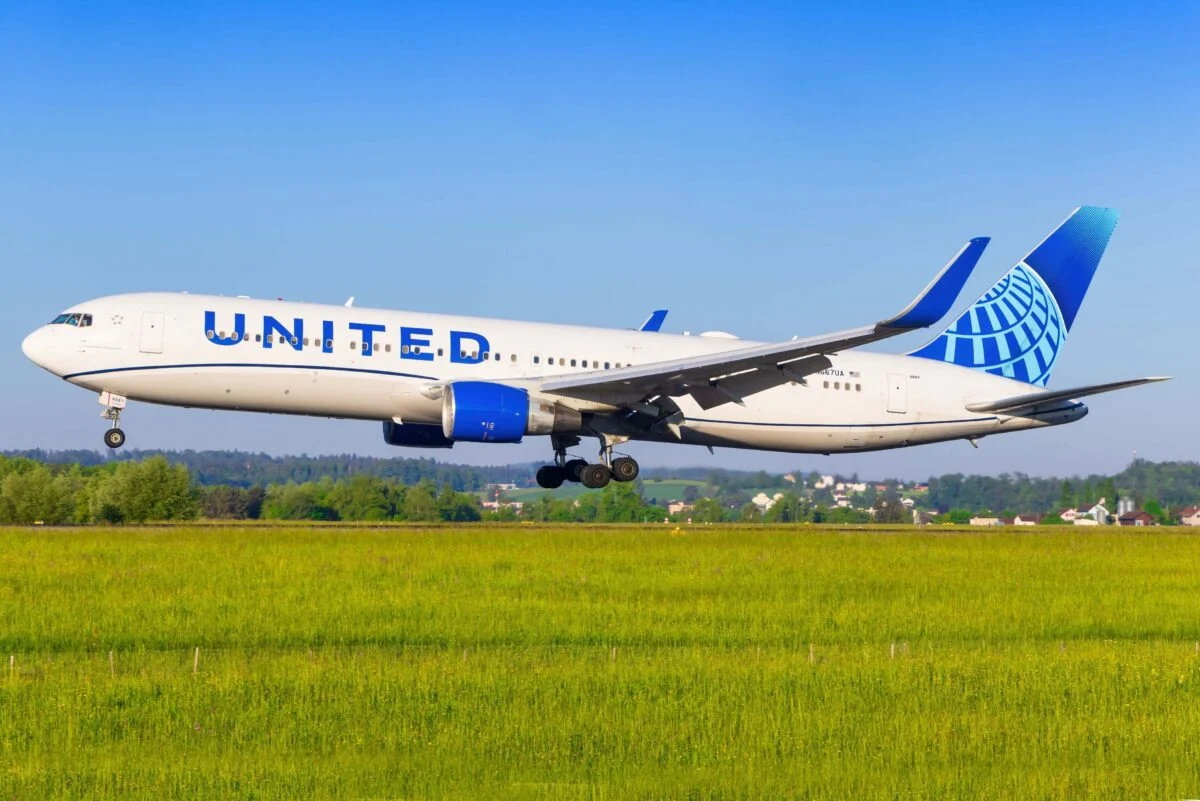
United Airlines (UAL) saw its stock price fall 4.46% Friday following an announcement from CEO Scott Kirby that the airline would reduce its flight schedule by approximately 5%. The decision follows a dramatic increase in jet fuel costs, which have nearly doubled since the final days of February due to the escalating Iran conflict.
United Airlines Holdings, Inc., UAL
In an employee communication published on the airline’s corporate website, Kirby detailed the company’s strategic response to the fuel crisis. He revealed that United’s planning now assumes oil could surge to $175 per barrel, with prices remaining above the $100 threshold through the conclusion of 2027.
Such sustained elevated fuel costs would add approximately $11 billion to United’s annual operating expenses — a figure that exceeds twice the carrier’s profit from what Kirby described as the company’s most successful year on record.
The airline has already begun eliminating underperforming routes. This includes certain midweek services, Saturday flights, and overnight operations that have demonstrated softer passenger demand.

According to the revised operational strategy, United will eliminate roughly three percentage points of low-demand flying during the second and third quarters. Additionally, the carrier will reduce approximately one percentage point of operations at its Chicago O’Hare hub.
Flights to Tel Aviv and Dubai remain suspended. Combined, these adjustments represent about five percentage points of United’s originally planned annual capacity.
Kirby indicated the airline intends to reinstate its complete flight schedule by autumn — provided fuel prices stabilize or decline.
Strong Demand Provides Buffer
The silver lining in this challenging environment is robust passenger demand. Major U.S. carriers have successfully implemented two separate fare increases, each adding approximately $10 to one-way tickets. Kirby noted that bookings made during the previous week showed fare increases of 15% to 20%.
Research analysts at Melius Research suggest the healthy booking climate could support an additional 5% to 7% fare adjustment. United has disclosed that the initial 10 weeks of 2026 generated the highest booking volumes in company history.
Competitor Delta Air Lines has similarly indicated willingness to reduce capacity if elevated fuel prices persist, following an upward revision to its first-quarter revenue projections earlier in the week.
U.S. carriers face a competitive disadvantage versus certain European and Asian airlines in this scenario — the majority do not employ fuel hedging strategies, resulting in greater vulnerability to sudden price fluctuations.
Growth Plans Remain Intact
Notwithstanding the immediate capacity reductions, Kirby emphasized to employees that United is maintaining its broader expansion objectives.
The airline will proceed with accepting delivery of approximately 120 new aircraft throughout this year, including 20 Boeing 787 wide-body jets. An additional 130 aircraft are scheduled for delivery by April 2028.
Kirby also confirmed that United will avoid employee furloughs and will not postpone planned capital investments — representing a departure from strategies employed during previous industry downturns.
In after-hours trading Friday, UAL stock recovered somewhat, rising 1.49% to reach $91.29, clawing back a portion of the session’s losses.
Get 3 Free Stock Ebooks
Discover top-performing stocks in AI, Crypto, and Technology with expert analysis.
- Top 10 AI Stocks - Leading AI companies
- Top 10 Crypto Stocks - Blockchain leaders
- Top 10 Tech Stocks - Tech giants



