


Key Points
Federal digital currency prohibition added to housing legislation through 2030
Central bank faces restrictions on digital dollar under residential reform package
Residential affordability measures progress with federal digital currency moratorium
Bipartisan agreement connects homeownership initiatives to central bank digital limits
Private digital dollar alternatives receive clearer runway as Fed CBDC blocked
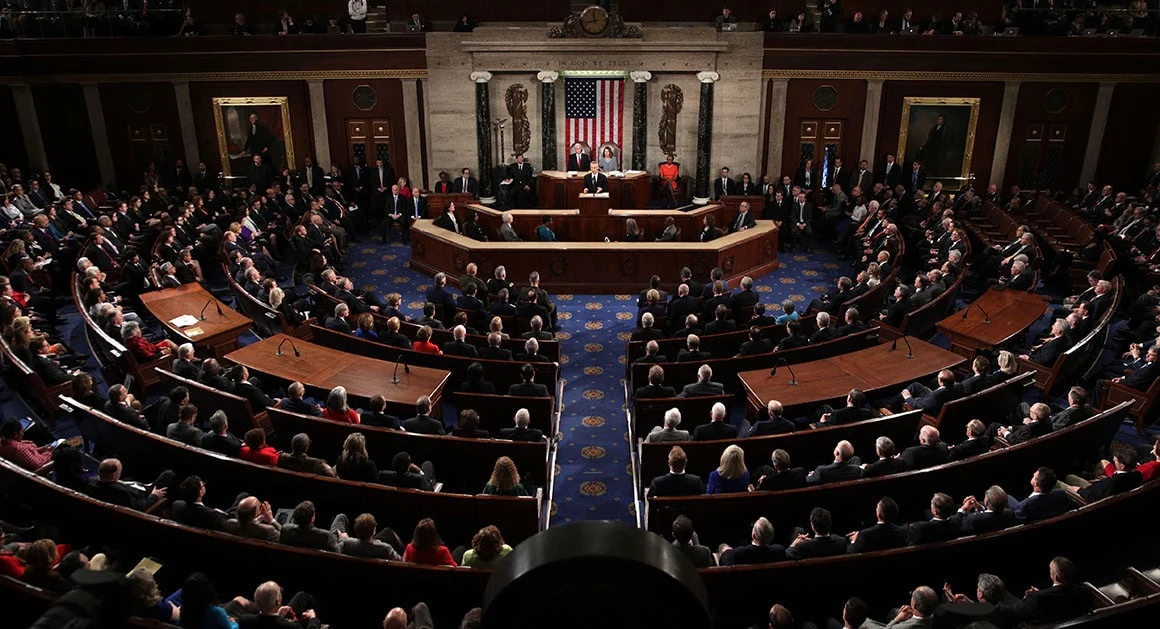
Lawmakers pushed forward comprehensive housing legislation this week after incorporating a prohibition on central bank digital currencies lasting until the final day of 2030. The legislation merges residential market affordability initiatives with significant restrictions on Federal Reserve digital currency development. The measure now returns to the upper chamber for additional parliamentary procedures.
Residential Legislation Contains Federal Digital Currency Restriction
Leadership from Senate Banking and House Financial Services committees unveiled revised legislative language for H.R. 6644 this Tuesday. The measure incorporates the 21st Century ROAD to Housing Act structure. Its primary objectives include expanding residential inventory and lowering expenses for American families.
The legislative package additionally addresses corporate institutional purchasers operating in single-family residential markets. Lawmakers contend these large-scale buyers diminish opportunities for families pursuing homeownership. The bill merges housing inventory reforms with market accessibility safeguards.
The revised language incorporates a central bank digital currency limitation sought by Republican House members. It explicitly states the Federal Reserve cannot issue or establish a CBDC. The prohibition extends to any digital asset functioning in a fundamentally comparable manner.
Legislative Timeline Extends Digital Currency Ban Through End of Decade
The CBDC prohibition would stay active through December 31, 2030. Meanwhile, the statutory language preserves open and permissionless privately-issued dollar-denominated assets. This exception primarily benefits stablecoins and comparable private payment mechanisms.
The inclusion represents a substantial cryptocurrency-focused amendment to residential legislation. It demonstrates Congress’s ability to append financial regulatory provisions to broader legislative vehicles. Consequently, central bank digital currency policy discussions now advance through housing-focused bills.

Advocates supporting the prohibition contend a federal digital currency presents privacy challenges. They caution that state-issued digital money might enable expanded financial surveillance. Nevertheless, the legislation continues permitting private dollar-backed assets featuring cash-equivalent privacy characteristics.
Cross-Party Agreement Advances Toward Chamber Approval
Senator Tim Scott, Senator Elizabeth Warren, Representative French Hill, and Representative Maxine Waters endorsed the modified legislative text. Their consensus emerged after extended negotiations spanning both chambers. The bill currently represents priorities from Senate, House, and executive branch stakeholders.
The Senate incorporated a three-year expiration for a disaster-recovery block grant initiative. It additionally adopted House-supported community banking provisions. Furthermore, the package contains provisions designed to constrain institutional residential property acquisitions.
The Senate approved a previous iteration of the package during March with an 89-10 tally. The House subsequently approved its modified version during May by 396-13. The updated legislation now proceeds back to Senate floor consideration.
The central bank digital currency provision expands the legislation’s financial policy dimensions. It additionally corresponds with the Trump administration’s resistance to a digital dollar. Treasury department representatives have previously indicated a U.S. CBDC remains outside consideration.
The bill provides stablecoin operators with enhanced regulatory certainty throughout coming years. Absent a Fed-launched CBDC, privately-issued dollar tokens encounter reduced direct governmental competition. Nevertheless, Congress maintains authority to reexamine the matter prior to the 2030 expiration.
The comprehensive housing provisions remain the legislation’s primary component. Lawmakers characterized it as a substantial initiative to eliminate regulatory barriers and broaden homeownership accessibility. Despite this, the CBDC prohibition has transformed the bill into significant digital finance legislation.
Get 3 Free Stock Ebooks
Discover top-performing stocks in AI, Crypto, and Technology with expert analysis.
- Top 10 AI Stocks - Leading AI companies
- Top 10 Crypto Stocks - Blockchain leaders
- Top 10 Tech Stocks - Tech giants



