


TLDR
- President Trump requested a “special meeting” for immediate Fed rate reduction
- Trump stated even “a third-grade student would know” it’s time to cut rates
- CME futures indicate 99% probability rates remain unchanged at this week’s meeting
- Rising oil prices from US-Iran tensions threaten to increase inflation
- Market participants have priced in no rate cuts throughout 2026
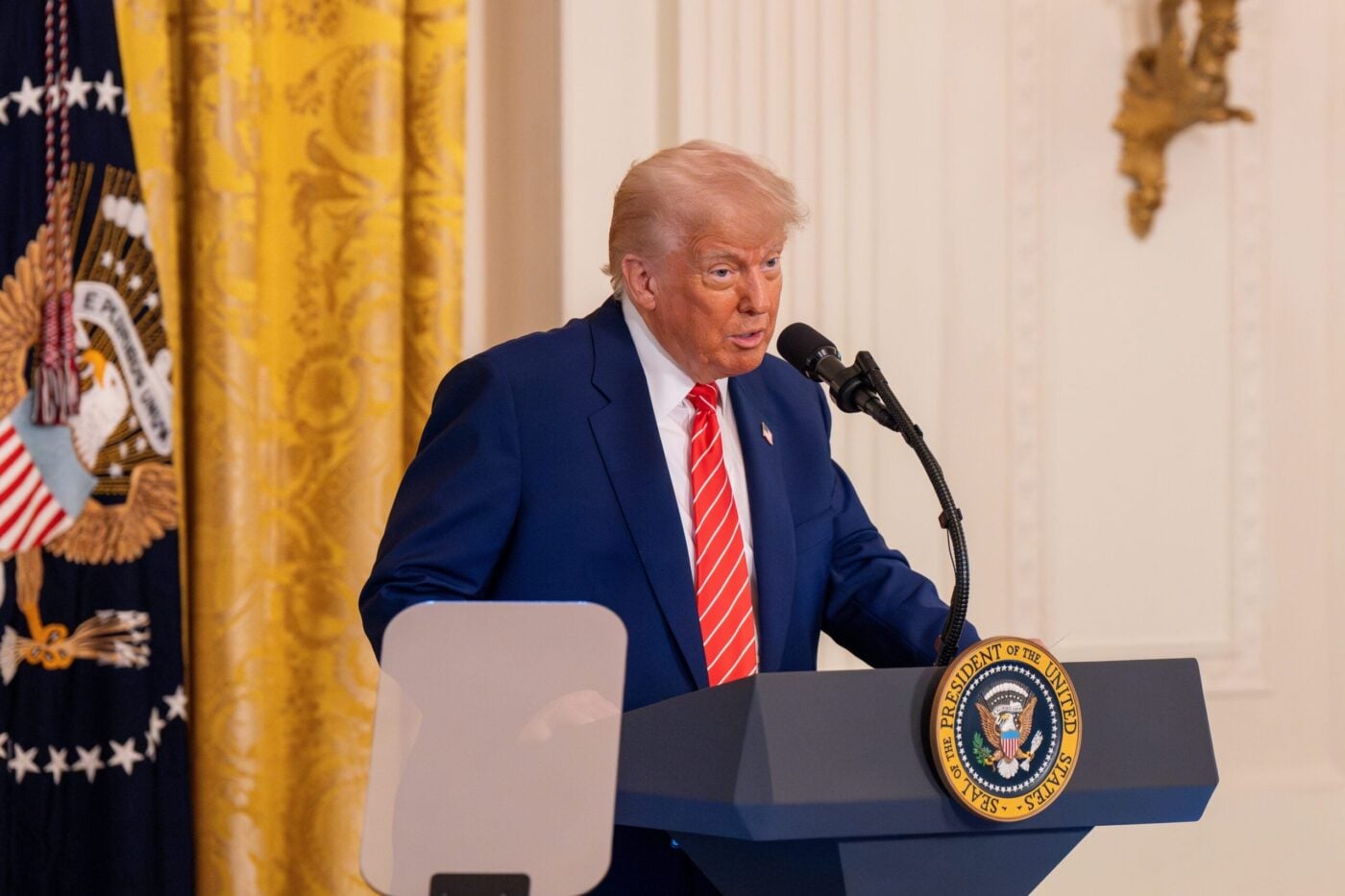
President Donald Trump has intensified public pressure on the Federal Reserve, demanding an immediate interest rate cut and advocating for a “special meeting” to implement the change. The president made these remarks to members of the press on Monday, March 16.
“What’s a better time to cut interest rates than now? A third-grade student would know that,” the president stated, as captured in videos circulating on X.
These comments came after Trump posted on Truth Social last Thursday, urging Fed chair Jerome Powell to begin “dropping interest rates, IMMEDIATELY.”
Trump’s campaign for reduced rates dates back to January, when he criticized Powell as being “too late” and claimed elevated interest rates are “hurting our country, and its National Security.”
The administration seeks lower borrowing costs to decrease the expense of managing the US national debt, which has reached $39 trillion. Trump also contends that reduced rates would stimulate the broader economy, improve housing affordability, and support equity markets.
Reduced interest rates typically encourage investors to pursue higher-risk investments. This trend benefits both equities and cryptocurrency markets, as lower borrowing costs enable increased capital flow into speculative investments.
Fed Meeting This Week
The Federal Reserve commenced its two-day March policy meeting on Tuesday, with a rate announcement scheduled for Wednesday.
Despite Trump’s vocal demands, CME futures markets indicate a 99% likelihood that the benchmark rate will remain between 3.50% and 3.75%. The subsequent April 29 meeting similarly shows a 97% probability of maintaining current levels.
US inflation remained stable at 2.4% in February. Nevertheless, Trading Economics forecasts indicate potential increases for March. The Fed has maintained unchanged rates since December.

Oil Prices Add More Pressure
Escalating tensions between the US and Iran have driven oil prices significantly higher. Elevated oil costs translate to increased fuel and transportation expenses, which ripple through supply chains and could amplify inflationary pressures.
Should inflation accelerate, the Federal Reserve might face pressure to raise rates instead of cutting them. This creates a challenging environment for policymakers as they assess the economic consequences of ongoing geopolitical tensions.
Jeff Mei, chief operating officer at cryptocurrency exchange BTSE, informed Cointelegraph that market participants have already eliminated expectations for any rate cuts during 2026.
Mei noted that the petroleum situation’s inflationary impact remains “unclear at this point,” suggesting the Fed will probably “continue to wait out the situation.”
He further indicated this stance should result in “less downward pressure on crypto asset prices” over the near term.
Kevin Warsh, Trump’s nominee to succeed Powell, is anticipated to assume leadership in mid-May. Warsh is generally perceived as more receptive to rate reductions compared to Powell.
Currently, financial markets expect the Fed to maintain existing rates when it releases its decision on Wednesday, March 18.
Get 3 Free Stock Ebooks
Discover top-performing stocks in AI, Crypto, and Technology with expert analysis.
- Top 10 AI Stocks - Leading AI companies
- Top 10 Crypto Stocks - Blockchain leaders
- Top 10 Tech Stocks - Tech giants



