


TLDR
- President Trump dismisses Iran’s ceasefire proposal, stating the conditions are inadequate
- American forces targeted Kharg Island, Iran’s primary oil export facility, which Trump claims is devastated
- Crude prices hover around $100 per barrel with the Strait of Hormuz still blocked
- President seeks naval support from China, France, Japan, South Korea, and Britain to force strait reopening
- LNG operations suspended in Qatar while Saudi forces intercept aerial threats near capital
President Trump declared Saturday that he’s unwilling to halt military operations against Iran despite Tehran’s overtures for peace. In an NBC News interview, the president stated current proposals fall short of acceptable standards and refused to detail specific requirements. He acknowledged that complete dismantlement of Iran’s nuclear capabilities remains a prerequisite for any agreement.
The regional confrontation has entered its third week following coordinated American-Israeli military operations against Iranian targets earlier this month. Casualty figures across the Middle East have reached approximately 3,750. American military losses stand at thirteen personnel, including six aircrew killed when their tanker aircraft went down over Iraqi territory Friday.
According to Trump, U.S. military forces conducted strikes Saturday against Kharg Island, Iran’s principal petroleum export terminal. The president characterized the facility as “totally demolished,” though he noted deliberate restraint in avoiding long-term infrastructure damage to oil production capabilities. He suggested additional strikes on the location remain under consideration.
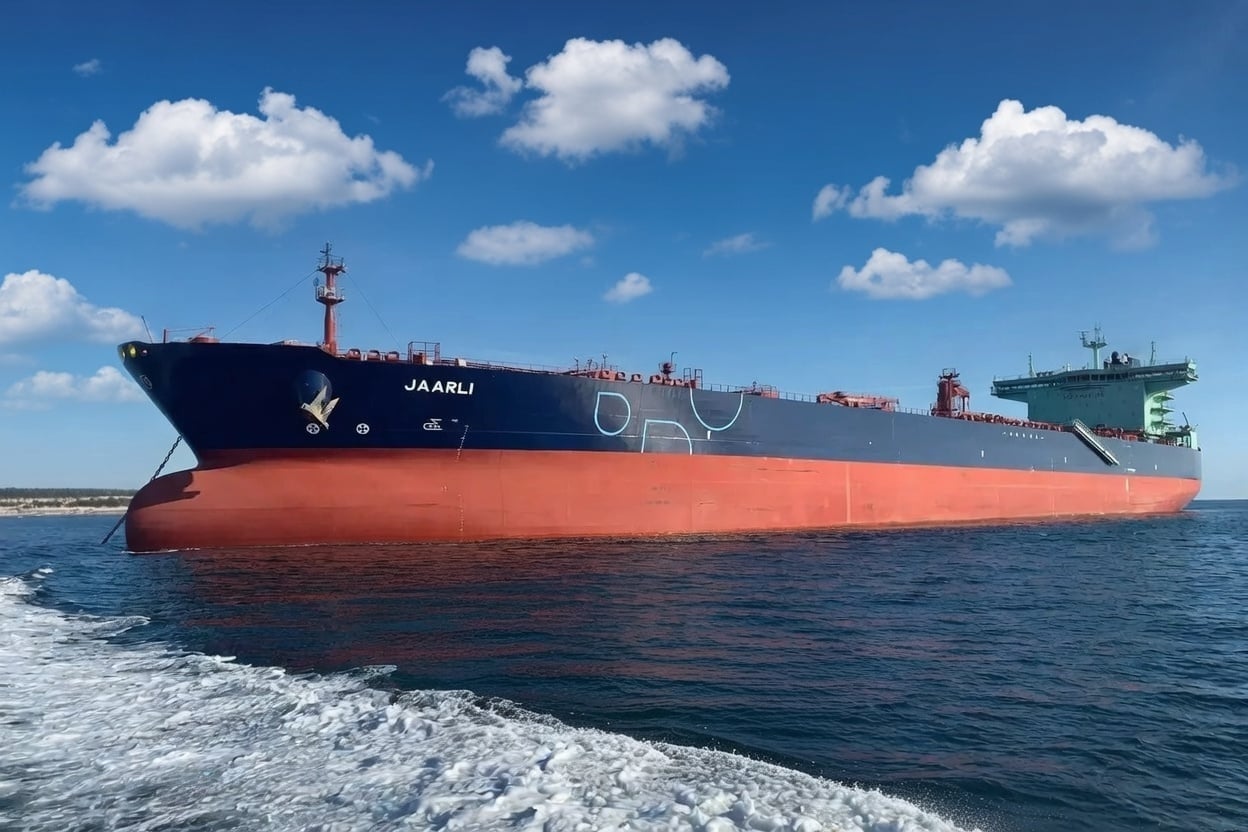
The Strait of Hormuz continues to remain impassable for commercial traffic. Iranian forces have utilized naval mines and unmanned aerial systems to target maritime vessels, with sixteen ships affected to date. Major petroleum exporters including Saudi Arabia, Iraq, and Kuwait have reduced production volumes accordingly. International oil prices are trading just below the $100 per barrel threshold.
The president indicated he’s coordinating with international partners to forcibly reopen the waterway if diplomatic solutions fail. Through a Truth Social message, Trump appealed to China, France, Japan, South Korea, and the United Kingdom to deploy naval assets to the region. While claiming several nations have pledged support, he withheld specific names.
Gulf Energy Infrastructure Under Pressure
The United Arab Emirates disclosed it has neutralized 1,600 drone threats and 300 missile attacks since hostilities commenced. Detonations were audible throughout Dubai. Iranian officials accused the UAE of providing launch sites for American military operations.
The Fujairah port facility, a critical alternative shipping route bypassing the strait, restarted operations Sunday following a temporary closure caused by drone-initiated fires. Qatar has suspended liquefied natural gas export activities. Saudi defense systems successfully intercepted unmanned aircraft approaching Riyadh on Sunday.

Iran’s newly installed supreme leader, Mojtaba Khamenei, released his inaugural public statement through written channels without making a video appearance. Trump openly questioned his survival status. Defense Secretary Pete Hegseth suggested Khamenei sustained injuries and potential disfigurement. The written statement pledged continued enforcement of the Strait of Hormuz blockade.
Defense Stocks and Energy Markets in Focus
Major defense manufacturers including Lockheed Martin and RTX have experienced stock price fluctuations throughout the conflict period. Crude prices maintaining levels approaching $100 per barrel continue impacting worldwide energy markets.
During the interview, Trump also addressed the Ukraine situation, describing Zelenskyy as “far more difficult to make a deal with” compared to Putin. Washington has relaxed certain restrictions on Russian petroleum exports attempting to counterbalance surging global fuel costs triggered by the Iranian crisis.
Trump asserted American forces have eliminated the majority of Iran’s missile inventory and drone capabilities, predicting complete destruction of their manufacturing infrastructure within forty-eight hours. Fujairah port facilities resumed cargo operations Sunday after firefighting teams contained the drone-related blaze.
Get 3 Free Stock Ebooks
Discover top-performing stocks in AI, Crypto, and Technology with expert analysis.
- Top 10 AI Stocks - Leading AI companies
- Top 10 Crypto Stocks - Blockchain leaders
- Top 10 Tech Stocks - Tech giants



