


Key Highlights
- Treasury Secretary Scott Bessent reports the Strategic Bitcoin Reserve continues moving forward with measured progress.
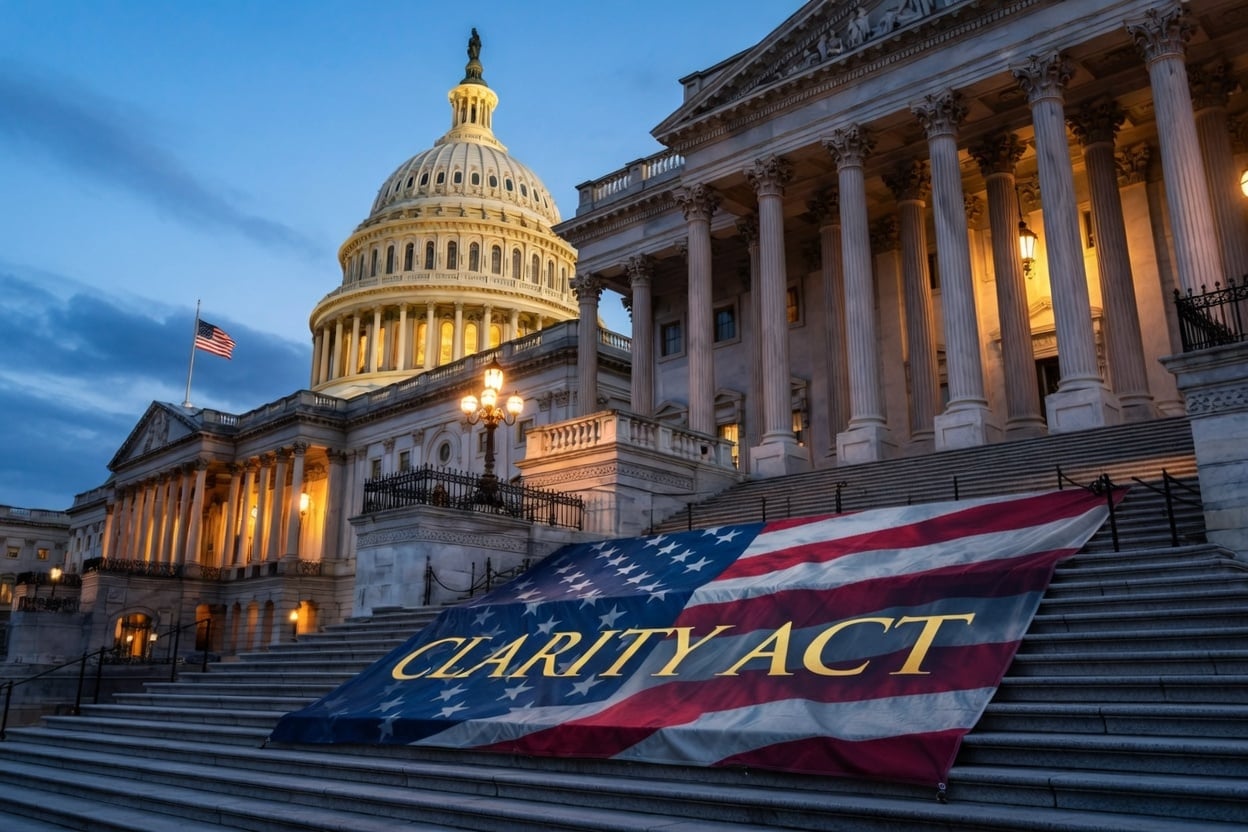
- Congress faces calls to approve the Clarity Act before the summer legislative session concludes.
- Bessent connected national security concerns with economic policy during Senate testimony.
- The Strategic Bitcoin Reserve maintains approximately 328,372 BTC worth around $25 billion.
- Federal authorities obtained all reserve bitcoin through criminal forfeitures and law enforcement seizures.
Treasury Secretary Scott Bessent provided updates on the U.S. Bitcoin reserve during testimony before Congress, emphasizing the administration’s commitment to digital asset policy. He informed the Senate Finance Committee that work on the reserve continues with careful planning and appropriate urgency. Bessent also called on legislators to enact the Clarity Act within the current session.
Treasury Secretary Calls for Legislative Action Amid Reserve Development
During budget discussions with senators, Bessent outlined the administration’s approach to cryptocurrency policy and its connection to broader strategic objectives. He emphasized the relationship between financial strength and protecting national interests, stating that economic security and national security are fundamentally intertwined.
Referencing previous statements made at an economic policy conference, Bessent highlighted historical shortcomings in strategic economic planning. The Treasury Secretary noted that American economic policy had fallen behind for several decades. He emphasized that the current administration aims to correct this trajectory through targeted policy measures.
Bessent detailed how the Strategic Bitcoin Reserve development continues under federal supervision and guidance. He explained that officials are implementing proven financial management principles while accommodating emerging technology considerations. The Treasury Secretary characterized the current approach as proceeding with “all deliberate speed.”
While recognizing implementation complexities, Bessent assured lawmakers that the timeline remains on track. He described the reserve initiative as a sophisticated undertaking demanding thorough preparation and interagency collaboration. Bessent stressed that the administration prioritizes building a sustainable foundation for the program.

Congressional Action Sought on Clarity Act as Bitcoin Reserve Expands
Bessent urged legislators to pass the Clarity Act as a critical component of comprehensive digital asset regulation. He emphasized the importance of completing legislative action before the summer adjournment. During his testimony, Bessent expressed optimism about seeing the Clarity Act become law within the coming months.
The proposed legislation seeks to establish clear regulatory classifications for digital assets under existing securities and commodities frameworks. The Senate Banking Committee previously advanced the measure with bipartisan support in a 15-9 committee vote. Legislative review continues as the bill moves toward floor consideration.
The Strategic Bitcoin Reserve was formally established through executive action signed on March 6, 2025. Current holdings total approximately 328,372 BTC, representing a market value approaching $25 billion. Federal agencies accumulated these assets exclusively through criminal forfeiture proceedings and enforcement operations.
The founding executive order prohibits disposing of any bitcoin contained within the reserve. It further instructs Treasury officials to evaluate fiscally responsible strategies for expanding holdings. Policymakers continue analyzing methods that comply with budgetary constraints.
Senator Cynthia Lummis has proposed the BITCOIN Act to establish permanent legal authority for the reserve program. Her legislation would authorize Treasury to acquire 200,000 BTC each year across a five-year period. The bill mandates retaining these assets for a minimum two-decade holding period.
Absent congressional authorization, the reserve operates solely under executive branch authority. Future administrations retain the power to modify or eliminate the existing directive. Bessent underscored the importance of legislative approval to ensure program continuity beyond the current administration.
Get 3 Free Stock Ebooks
Discover top-performing stocks in AI, Crypto, and Technology with expert analysis.
- Top 10 AI Stocks - Leading AI companies
- Top 10 Crypto Stocks - Blockchain leaders
- Top 10 Tech Stocks - Tech giants



