


Key Takeaways
- Analysts predict worldwide hyperscale AI capital spending will surpass $1 trillion by 2027
- 2026 expenditures are projected to reach $800–$900 billion, representing a 67% annual increase
- Microsoft, Amazon, Alphabet, and Meta have all increased their 2026 spending forecasts following first-quarter results
- Rising hardware expenses, particularly memory component prices, are fueling the expenditure growth
- Semiconductor manufacturers like Nvidia and infrastructure companies are positioned as primary beneficiaries
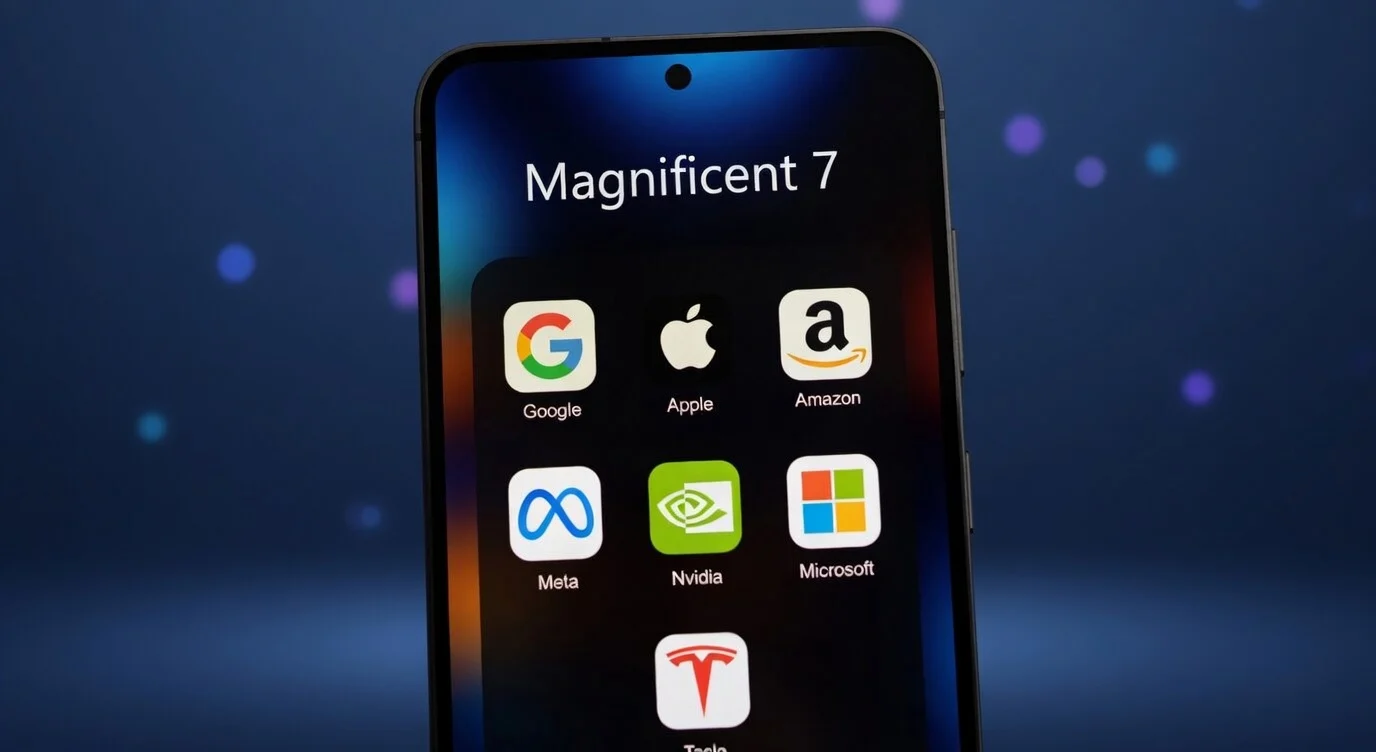
Technology behemoths are committing unprecedented resources to artificial intelligence infrastructure development, with financial analysts now forecasting that combined hyperscale capital investments could surpass the $1 trillion threshold in 2027.
Both Bank of America and Evercore have positioned their 2027 capital expenditure projections above $1 trillion after analyzing Q1 earnings reports from Alphabet, Amazon, Microsoft, and Meta. Current estimates for 2026 range from $800 billion to $900 billion.
Microsoft has elevated its 2026 spending outlook to $190 billion, marking a 24% jump from the previous $154 billion estimate. Amazon maintained its $200 billion target. Alphabet increased its projection by 4% to $185 billion, while Meta adjusted its range upward to $125–$145 billion from the earlier $115–$135 billion guidance.
Microsoft attributed $25 billion of its spending increase directly to elevated component pricing. Meta’s CEO Mark Zuckerberg identified memory costs as the primary driver behind the company’s upward revision.
Meta experienced a dramatic decline in free cash flow, plummeting to $1.2 billion in Q1 compared to $26 billion during the same quarter last year. Jefferies analysts suggested Meta “likely remains in the penalty box pending clearer capex ROI.”
Alphabet delivered more encouraging results. The company’s cloud division revenue jumped 63% year-over-year, propelling shares upward by approximately 10%. Google’s order backlog expanded 400% annually to reach $462 billion.
Revenue Growth Accompanies Massive Investment
Microsoft disclosed an annualized AI revenue run-rate exceeding $37 billion, reflecting a 123% year-over-year expansion. Amazon’s AWS division recorded its strongest growth trajectory in more than three years at 28%, powered by AI-related workloads.

Alphabet now handles over 16 billion Gemini tokens each minute. The company’s search division expanded 19%, benefiting from AI-enhanced query processing.
Jefferies analysts observed that despite escalating capital expenditures, “margin leverage holds for the hyperscalers,” citing approximately $2 trillion in committed orders and accelerating cloud expansion as indicators of investment returns.
Semiconductor Industry Poised for Windfall
The investment boom represents significant opportunity for chip manufacturers. RBC Capital Markets identified Nvidia, Micron Technology, Marvell, Arm Holdings, and Astera Labs as particularly well-positioned companies.
Intel delivered robust Q1 performance. Evercore analysts highlighted increasing demand for specialized processors including TPUs, Trainium, and Maia chips, characterizing it as a potential “CPU renaissance.”
AI requirements are also generating double-digit expansion in wafer fabrication capacity, according to RBC research.
Availability of premium AI computing hardware is anticipated to remain constrained through 2026. BofA analysts indicated that robust customer commitments and strengthening free cash flow across the technology sector should sustain these historic investment levels.
Get 3 Free Stock Ebooks
Discover top-performing stocks in AI, Crypto, and Technology with expert analysis.
- Top 10 AI Stocks - Leading AI companies
- Top 10 Crypto Stocks - Blockchain leaders
- Top 10 Tech Stocks - Tech giants



