


Key Highlights
- Taiwan Semiconductor Manufacturing Company has finalized a three-decade power purchase agreement with Northland Power for the Hai Long 2A offshore wind facility in Taiwan
- The chipmaker will receive 100% of the 294-megawatt facility’s energy output, building on a partnership established in 2022
- The complete Hai Long development encompasses 1,022 megawatts of total gross capacity distributed across three facilities
- Shares of TSM are hovering near their 52-week bottom, declining 54% in the last half-year
- According to GuruFocus’s GF Value framework, TSM appears 44.2% overvalued, trading at $393.83 against an estimated fair value of $273.09
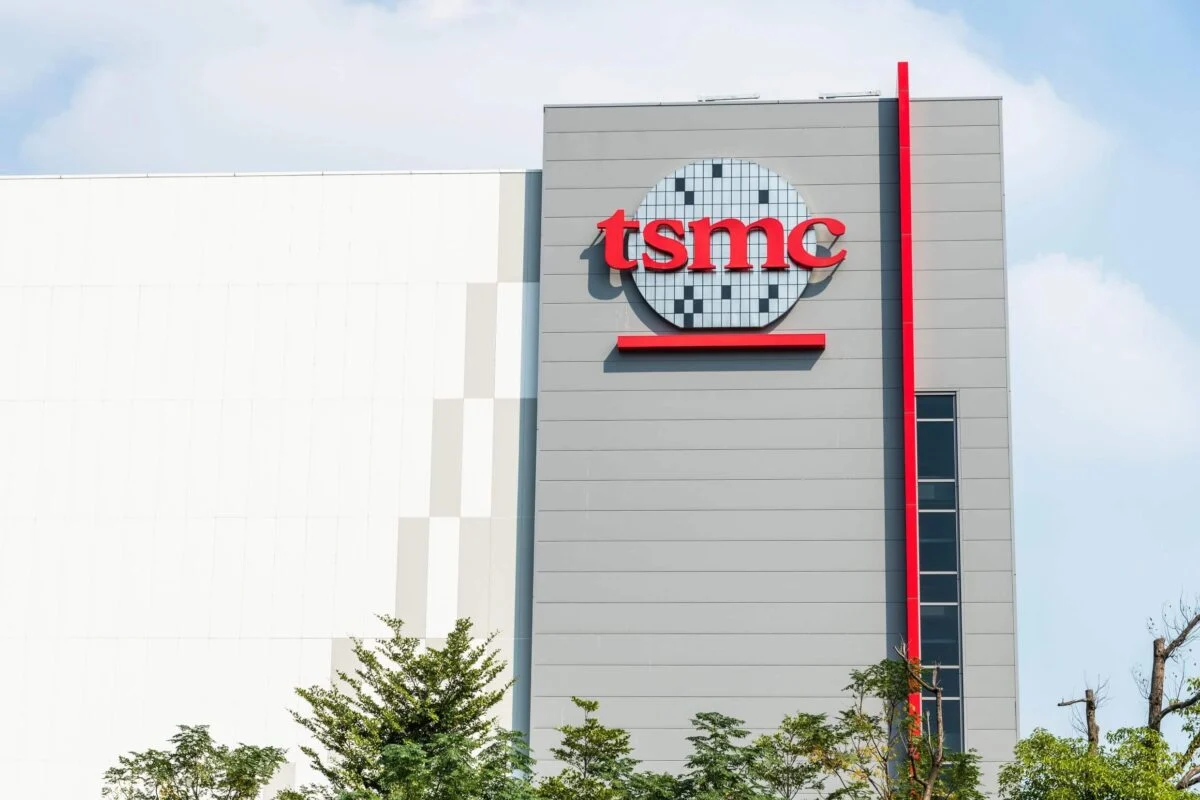
Taiwan Semiconductor Manufacturing Company (TSM) has entered into a fresh three-decade energy agreement with Northland Power, securing complete access to electricity generated by the Hai Long 2A offshore wind installation in Taiwan. This contract builds upon a commercial relationship between both entities initiated in 2022.
Taiwan Semiconductor Manufacturing Company Limited, TSM
The Hai Long 2A facility is an offshore wind installation with 294-megawatt capacity, positioned approximately 45 to 70 kilometers from the Changhua coastline in the Taiwan Strait. The semiconductor giant previously committed to purchasing electricity from the Hai Long 2B and 3 installations, making this contract the third component of its renewable energy strategy within the project.
The entire Hai Long development boasts a total gross capacity of 1,022 megawatts. Development partners include Northland Power (30.6% stake), Mitsui & Co. (40% stake), and Gentari International Renewables (29.4% stake).
The arrangement becomes operational after administrative processes conclude, anticipated in late 2026. Northland’s CEO Christine Healy stated the contract “enhances the project’s long-term economic fundamentals” while contributing to shareholder value creation.

For TSMC, this agreement underscores its continuing effort to procure renewable energy sources as electricity requirements from AI-powered semiconductor manufacturing escalate. The corporation commands approximately 70% of the worldwide advanced foundry sector as of 2025.
Production Bottlenecks Continue to Challenge TSMC
A TrendForce analysis released on April 30 identified ongoing constraints in semiconductor production. The primary challenge involves limited availability of CoWoS packaging technology, which is crucial for manufacturing advanced processors deployed in AI systems.
TSMC maintains exclusive control over 3nm manufacturing processes and plays a vital role in 2nm development. The CoWoS capacity shortage is projected to persist through at least 2027, despite ongoing expansion initiatives by the company.
Key customers such as Apple, NVIDIA, and AMD are vying for constrained production capacity. Given the continued acceleration in AI computing requirements, TSMC’s capacity expansion pace remains under scrutiny.
Conflicting Valuation Signals Surround TSM Shares
TSM currently trades at $393.83 per share. The GuruFocus platform calculates its GF Value—representing estimated intrinsic value—at $273.09, suggesting shares trade at a 44.2% premium relative to this valuation framework.
The trailing twelve-month price-to-earnings multiple sits at 32.72x, significantly exceeding the five-year median of 22.78x. GuruFocus assigns TSM a Valuation ranking of merely 5 out of 10.
However, the semiconductor manufacturer demonstrates strength across other metrics. It receives a perfect 10/10 rating in both Profitability and Growth categories, plus a 9/10 score for Financial Strength. The comprehensive GF Score reaches 97 out of 100.
Insider transaction data from the previous three months reveals $827,355 in stock purchases with zero reported sales.
TSM shares have declined 54% during the past six months and currently trade near their 52-week minimum. InvestingPro has identified the stock as potentially undervalued at present price levels—a perspective that contradicts the GuruFocus valuation model.
Get 3 Free Stock Ebooks
Discover top-performing stocks in AI, Crypto, and Technology with expert analysis.
- Top 10 AI Stocks - Leading AI companies
- Top 10 Crypto Stocks - Blockchain leaders
- Top 10 Tech Stocks - Tech giants



