


Key Takeaways
- SpaceX went public in June 2026 with a market cap exceeding $2 trillion, ranking among America’s top-valued corporations
- The company generated $18.67 billion in 2025 revenue but reported a $4.94 billion net loss
- Rocket Lab achieved record first-quarter 2026 revenue of $200.3 million, representing 63.5% year-over-year growth
- Rocket Lab maintains a $2.2 billion contract backlog and more than $2 billion in available liquidity
- The two companies present distinct investment opportunities: SpaceX offers massive scale while Rocket Lab provides public-market accessibility
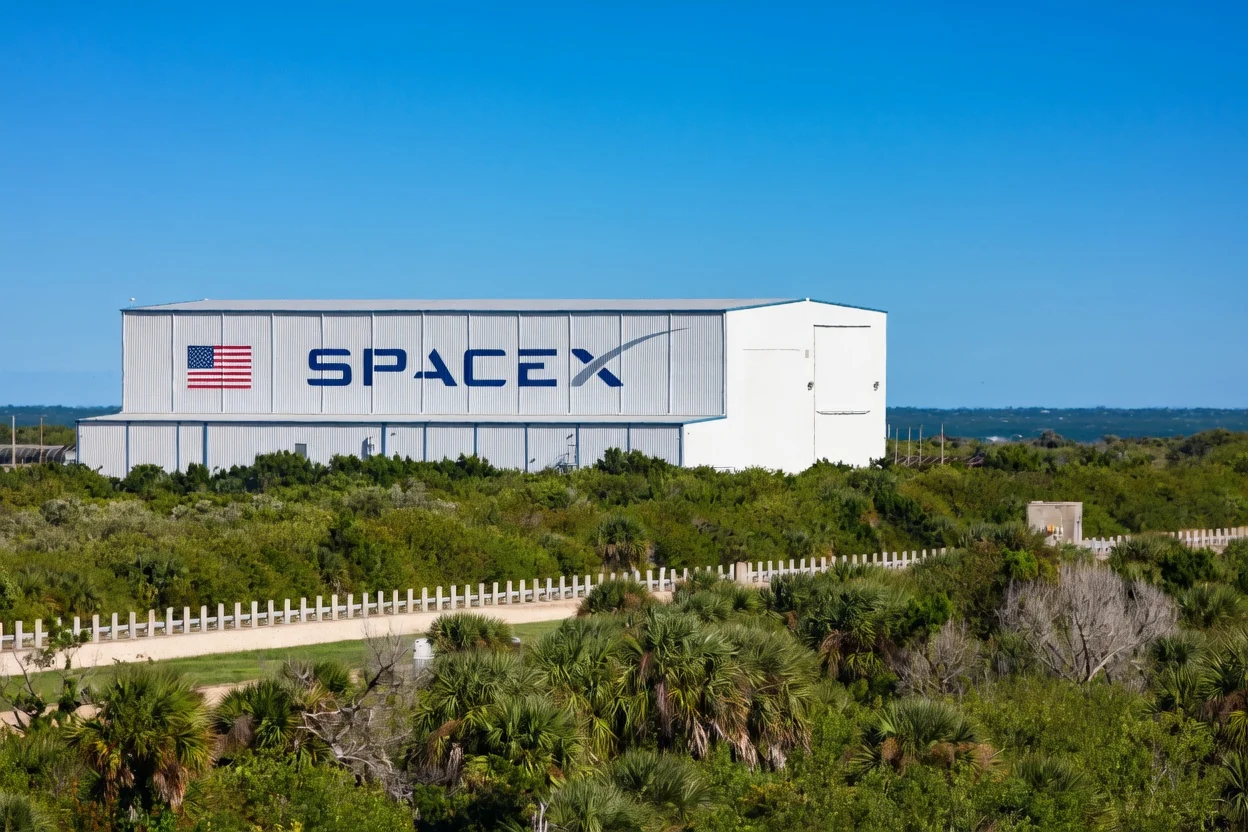
The commercial space industry has a new public giant. SpaceX made its stock market entrance in June 2026, commanding a valuation that surged beyond $2 trillion. This positioning places the company alongside America’s most valuable enterprises.
Meanwhile, Rocket Lab has been steadily constructing its own formidable presence in the sector. Though operating at a smaller magnitude, its rapid expansion has captured significant attention from investors seeking public exposure to space commerce.
SpaceX: Enormous Revenue, Substantial Losses
The Elon Musk-led venture recorded $18.67 billion in 2025 revenue, climbing from $14.02 billion in the prior year. However, profitability remains elusive, with the company booking a $4.94 billion net loss as investments accelerated across Starship development, Starlink deployment, and additional initiatives.
Space Exploration Technologies Corp., SPCX
The company’s business extends far beyond rocket operations. By integrating launch capabilities with its Starlink satellite internet service, SpaceX has constructed a business architecture unmatched by any currently traded competitor.

Musk has publicly projected the possibility of reaching $1 trillion in annual revenue by decade’s end. Market analysts remain considerably more reserved about this ambitious forecast.
The optimistic investment thesis is straightforward: SpaceX dominates launch operations and generates predictable income through Starlink subscriptions. The skeptical perspective is equally apparent: shares trade at an elevated premium despite ongoing financial losses.
Rocket Lab: Compact Scale, Accelerating Momentum
The New Zealand-founded company delivered unprecedented quarterly revenue of $200.3 million in Q1 2026, marking a 63.5% increase compared to the same period last year. Annual 2025 revenue totaled approximately $602 million. Its contract pipeline reached an all-time high of $2.2 billion, supported by more than $2 billion in total available capital.
Rocket Lab has evolved beyond its origins as a boutique launch provider. Today’s business encompasses launch operations, satellite components, government defense contracts, and comprehensive space infrastructure.
Yahoo Finance identified Rocket Lab as the most logical publicly-traded benchmark for SpaceX ahead of its market debut. Numerous investors utilized it as a substitute investment during the anticipation period.
The optimistic case for Rocket Lab centers on operational delivery. The Neutron rocket initiative, expanding backlog, and diversifying space systems division provide multiple avenues for sustained expansion from its current foundation.
The cautious perspective highlights dependencies on contract schedules, developmental milestones, and Neutron’s ultimate success. The company operates at a fraction of SpaceX’s revenue and launch frequency.
Contrasting Investment Philosophies
SpaceX delivers industry dominance and potential for massive long-term scale. Rocket Lab presents a more measured public-market growth narrative with a valuation that offers clearer expansion potential.
SpaceX likely possesses the superior overall business model. However, Rocket Lab may represent the more straightforward investment thesis for those prioritizing execution upside at a comprehensible scale.
Both enterprises operate within the same sector. Yet they appeal to fundamentally different investor profiles.
Get 3 Free Stock Ebooks
Discover top-performing stocks in AI, Crypto, and Technology with expert analysis.
- Top 10 AI Stocks - Leading AI companies
- Top 10 Crypto Stocks - Blockchain leaders
- Top 10 Tech Stocks - Tech giants



