


Key Highlights
- Shares of SpaceX (SPCX) advanced 5.6% in premarket hours Monday, reaching $169.92 following Friday’s impressive 19% opening-day jump
- The company’s public offering generated $75 billion, establishing a new benchmark as history’s largest IPO with an approximate $2.1 trillion market valuation
- Shares are currently valued at 61 times projected 2026 revenue while the company remains in the red financially
- CEO Elon Musk indicated via social media platform X that annual revenue could exceed $1 trillion within six years
- Index inclusion rules prevent SpaceX from S&P 500 membership until at least one year after going public
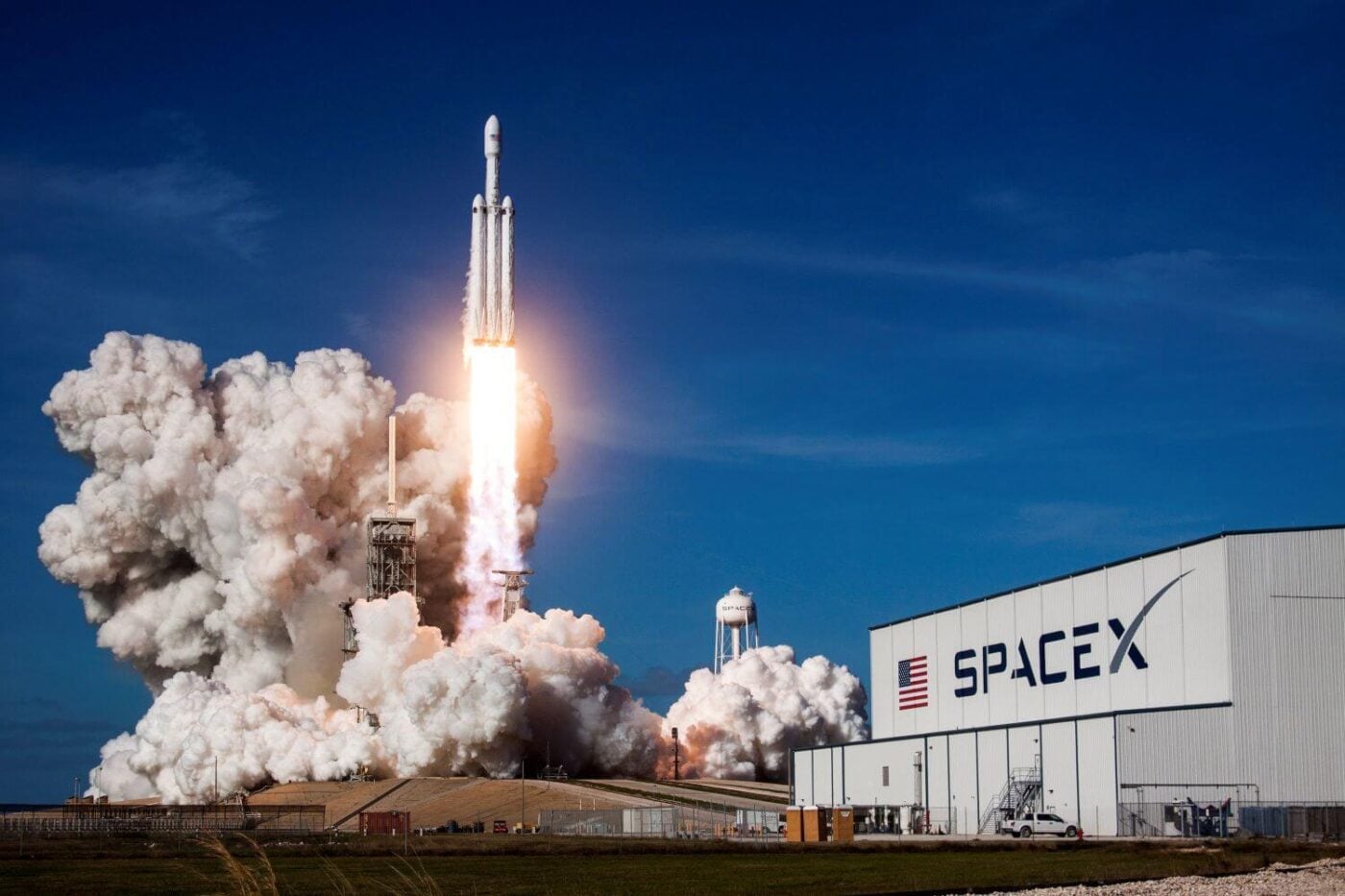
Space Exploration Technologies Corporation launched its public trading journey Friday on the Nasdaq exchange using ticker symbol SPCX, finishing the inaugural session 19% higher near $161 after starting at the $150 mark. Intraday trading saw shares peak at $176.52.
Space Exploration Technologies Corp., SPCX
Coming into Monday’s premarket session, the stock tacked on an additional 5.6% to hit $169.92. This upward movement coincided with broader market strength, as S&P 500 futures climbed 1.3% on news of a temporary peace agreement between the United States and Iran.
The public offering generated $75 billion in proceeds, establishing it as the most significant IPO ever executed. SpaceX concluded Friday’s trading with approximately $2.1 trillion in market capitalization.
First-day trading volume exceeded 500 million shares, nearing the 580 million shares that changed hands during Facebook’s 2012 market debut.

If SpaceX had already secured S&P 500 membership, it would have ranked fourth among the index’s top premarket gainers Monday. Only Micron Technology, Seagate Technology, and Western Digital posted stronger early gains.
Building Trading Momentum Early
The three companies outperforming SPCX — Micron, Seagate, and Western Digital — have all developed momentum stock characteristics throughout the year, attracting buyers who anticipate continued upward movement. SpaceX appears to be developing similar trading patterns within just two days of public trading.
During a JPMorgan Chase virtual event before the listing, Musk revealed that SpaceX has maintained positive cash flow since approximately 2015 and characterized the IPO as launching “a significant growth phase.” He detailed ambitious plans involving more than 100,000 satellite deployments and the construction of space-based artificial intelligence data facilities.
Despite this optimism, certain market participants have raised concerns about the company’s pricing. Current trading levels represent 61 times anticipated 2026 revenue figures, with the company still operating without generating net income.
This past Sunday, Musk shared on X that SpaceX could achieve over $1 trillion in annual revenue by 2030, commenting on Morgan Stanley projections being discussed on the social platform.
Industry Growth Projections
Jefferies research analysts, in commentary published alongside the IPO, projected that the worldwide space industry has attained $600 billion in value and could expand threefold to $1.8 trillion by 2035, identifying defense applications as the sector experiencing the most rapid expansion.
The United States government represents approximately 60% of worldwide governmental space expenditures, totaling around $80 billion. The Space Force received a 40% budget increase year-over-year for fiscal 2026, reaching $40 billion — substantially exceeding NASA’s $24 billion allocation.
SpaceX ranks as NASA’s second-largest commercial partner measured by contract value, securing $2.1 billion in 2025 agreements spanning launch operations, communications systems, and information technology infrastructure.
Jefferies observed that “the U.S. government has effectively outsourced significant space activity to SpaceX, creating an inextricable linkage between federal spending priorities and the company’s business.”
SpaceX remains ineligible for S&P 500 inclusion for a minimum of 12 months following its IPO, according to established S&P Dow Jones Indices eligibility criteria.
Get 3 Free Stock Ebooks
Discover top-performing stocks in AI, Crypto, and Technology with expert analysis.
- Top 10 AI Stocks - Leading AI companies
- Top 10 Crypto Stocks - Blockchain leaders
- Top 10 Tech Stocks - Tech giants



