


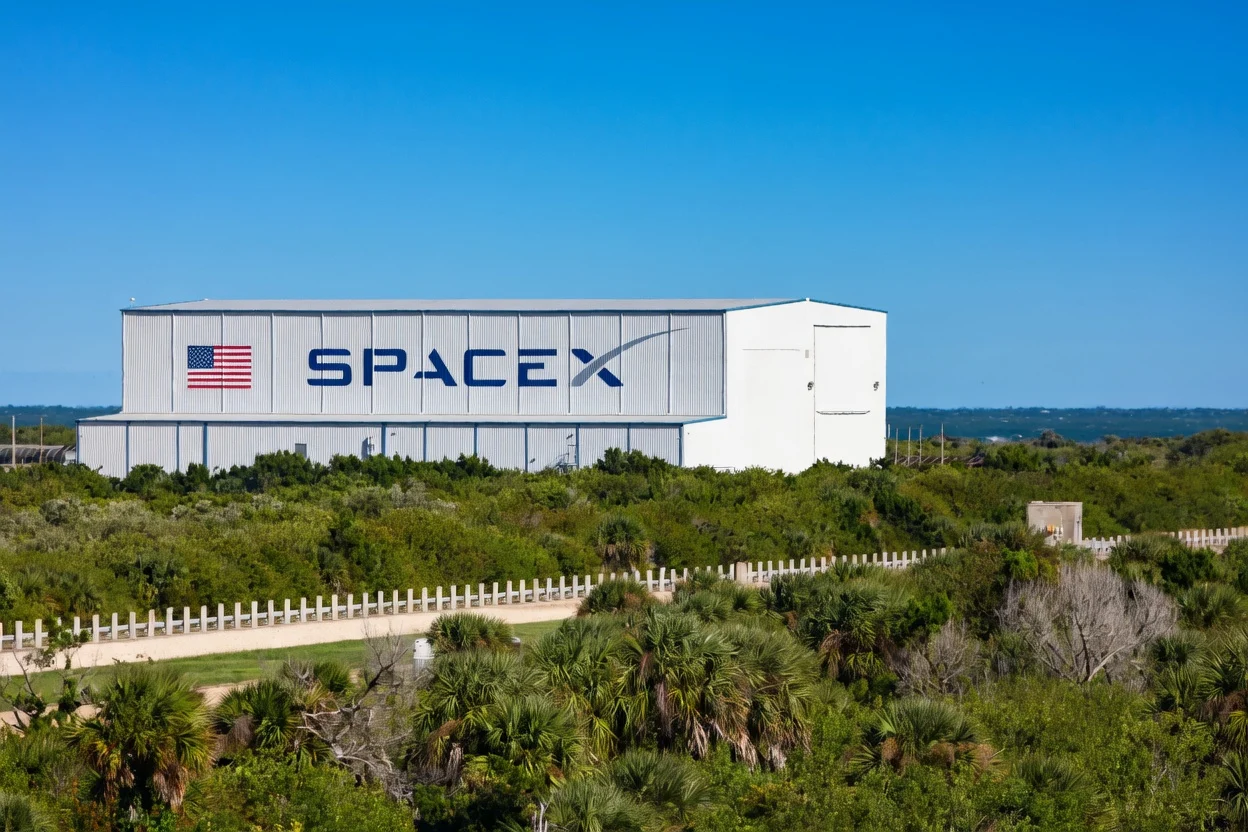
Key Highlights
- Elon Musk acquired $1.4 billion in SpaceX shares from existing and past employees during the previous year
- The transaction was executed through Musk’s personal trust and disclosed in SpaceX’s confidential IPO filing documents
- The company’s board greenlit a compensation structure offering Musk up to 60 million new shares linked to valuation milestones and space infrastructure objectives
- The award vests incrementally as market capitalization climbs in $500 billion steps, from $1.1 trillion through $6.6 trillion
- The rocket company intends to implement a two-tier voting system that grants insiders 10-to-1 voting advantages over ordinary public shareholders
Elon Musk expanded his ownership position in SpaceX through a $1.4 billion stock acquisition from both active and former staff members last year. The transaction occurred via his trust structure, as reported by The Information following their review of SpaceX’s confidential public offering documentation.
Reuters was unable to confirm the details independently. SpaceX declined to provide commentary on the matter.
This secondary transaction demonstrates Musk’s strategy to strengthen his control before a possible stock market debut. The aerospace manufacturer submitted confidential paperwork for a U.S. exchange listing during March.
The organization delivered impressive financial performance recently. SpaceX achieved approximately $8 billion in earnings last year against revenues ranging from $15 billion to $16 billion, according to Reuters reporting from January.
Separate from the stock purchase, SpaceX’s directors authorized an executive incentive program last month. This arrangement could grant Musk an additional 60 million shares.
The equity grant connects to dual requirements. Initially, SpaceX must elevate its market capitalization from the present $1.1 trillion assessment to potentially $6.6 trillion.

Understanding the Vesting Mechanism
The compensation unlocks progressively as the corporation’s valuation increases in $500 billion phases. This structure means Musk would earn segments of the total package upon reaching successive benchmarks.
The additional requirement mandates SpaceX to execute its strategy for establishing orbital data facilities. These space-based computing centers would deliver processing capabilities to companies developing artificial intelligence technologies.
SpaceX hasn’t released public information regarding the schedule or financial requirements for this extraterrestrial data infrastructure initiative. The Information characterizes the endeavor as highly ambitious.
Understanding the Public Offering Voting Framework
SpaceX plans to adopt a bifurcated share class arrangement for its market listing. Class B securities, controlled by Musk alongside select insiders, would provide 10 votes per share.
Class A securities available to general investors would deliver only one vote apiece. This framework ensures control remains concentrated among Musk and key stakeholders following the transition to public ownership.
Such dual-class configurations have become standard practice for technology enterprises pursuing public listings. These structures enable company founders to preserve operational authority while accessing external investment capital.
SpaceX hasn’t announced a target timeframe for its public debut. The confidential March submission represented the initial official move toward a potential market listing.
The proposed incentive arrangement, pending final approval, would rank among the largest compensation packages ever granted to any corporate leader. The structure resembles a comparable remuneration plan Musk pursued at Tesla, which encountered extended legal disputes.
SpaceX’s existing $1.1 trillion valuation positions it among the planet’s most highly valued privately held enterprises.
Get 3 Free Stock Ebooks
Discover top-performing stocks in AI, Crypto, and Technology with expert analysis.
- Top 10 AI Stocks - Leading AI companies
- Top 10 Crypto Stocks - Blockchain leaders
- Top 10 Tech Stocks - Tech giants



