


Key Takeaways
- SpaceX appears to favor Nasdaq for its highly anticipated public market debut, potentially launching in June
- Rapid inclusion in the Nasdaq 100 index is reportedly a critical factor in the company’s exchange selection
- The rocket manufacturer seeks a massive $1.75 trillion market capitalization, positioning it among America’s top six corporations
- NYSE remains in the running for the landmark listing, with negotiations still ongoing
- Nasdaq has introduced a new “Fast Entry” mechanism designed to accelerate megacap IPO index additions within weeks
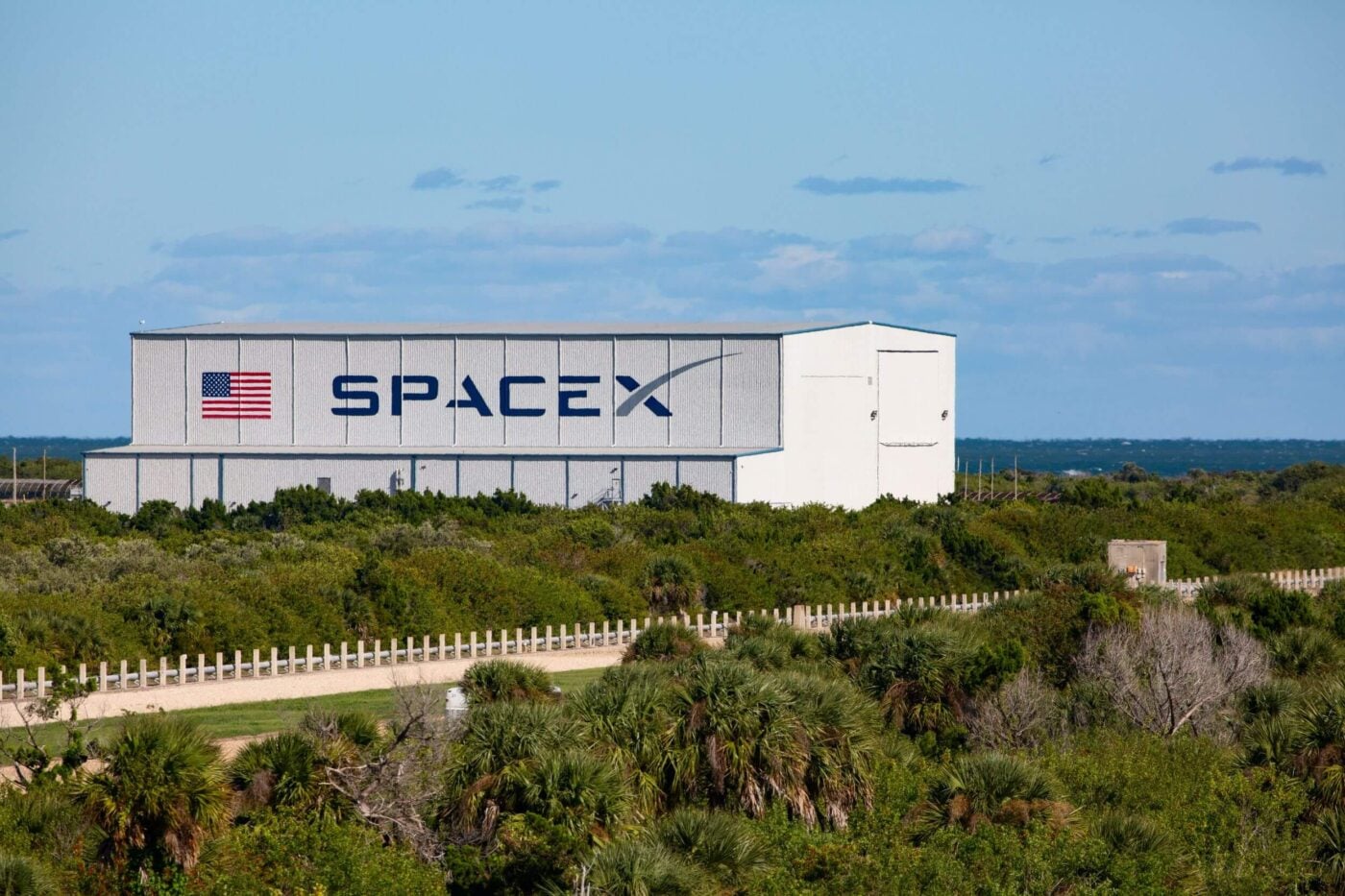
Elon Musk’s aerospace venture SpaceX is reportedly moving toward a public listing on the Nasdaq exchange, setting the stage for what may become one of the most significant initial public offerings ever recorded.
Reuters obtained information from four individuals with knowledge of the company’s deliberations, all requesting anonymity due to the private nature of ongoing discussions.
The rocket and satellite communications company is pursuing a staggering $1.75 trillion valuation for its market debut. Should this figure materialize, SpaceX would immediately become the sixth-most valuable publicly traded enterprise in America.
According to sources briefed on the matter, SpaceX has made it clear that swift admission into the Nasdaq 100 index represents a crucial requirement for selecting that particular exchange. The Nasdaq 100 features global technology leaders such as Nvidia, Apple, and Amazon.
Traditionally, companies making their public debut must observe a waiting period of up to twelve months before eligibility for inclusion in premier indexes like the Nasdaq 100 or S&P 500.
The New Fast-Track Mechanism
Last month, Nasdaq unveiled a proposed regulation that would dramatically accelerate index qualification for substantial newly public entities. This “Fast Entry” provision would enable a company to secure Nasdaq 100 membership in less than 30 days, provided its market capitalization places it among the index’s 40 largest constituents.

The proposed regulation has not yet received final approval and may require several months before implementation. Its creation specifically targets highly valued private enterprises like SpaceX, Anthropic, and OpenAI.
Given SpaceX’s projected $1.75 trillion valuation, the company would almost definitely meet the criteria for expedited entry under these new provisions.
The Strategic Value of Index Membership
Nasdaq 100 membership provides companies with exposure to substantial institutional capital that flows into index-tracking funds. This translates to an expanded investor base and enhanced trading liquidity in the long term.
For early SpaceX backers and staff members holding equity, improved liquidity could minimize the price impact when executing substantial sales once lockup restrictions expire. These lockup provisions generally span 90 to 180 days following an IPO.
The New York Stock Exchange continues to pursue the SpaceX listing opportunity. Sources indicate that neither exchange has received official notification of a final determination.
Reuters has previously documented that SpaceX is preparing for a public offering as soon as June. Earlier in February, Bloomberg disclosed that SpaceX was exploring a dual-class share structure that would enable Musk to retain operational control, mirroring his governance arrangement at Tesla despite owning a minority position.
The Nasdaq 100 index posted approximately 21% gains during the previous year and has experienced modest declines in 2026 to date.
Get 3 Free Stock Ebooks
Discover top-performing stocks in AI, Crypto, and Technology with expert analysis.
- Top 10 AI Stocks - Leading AI companies
- Top 10 Crypto Stocks - Blockchain leaders
- Top 10 Tech Stocks - Tech giants



