


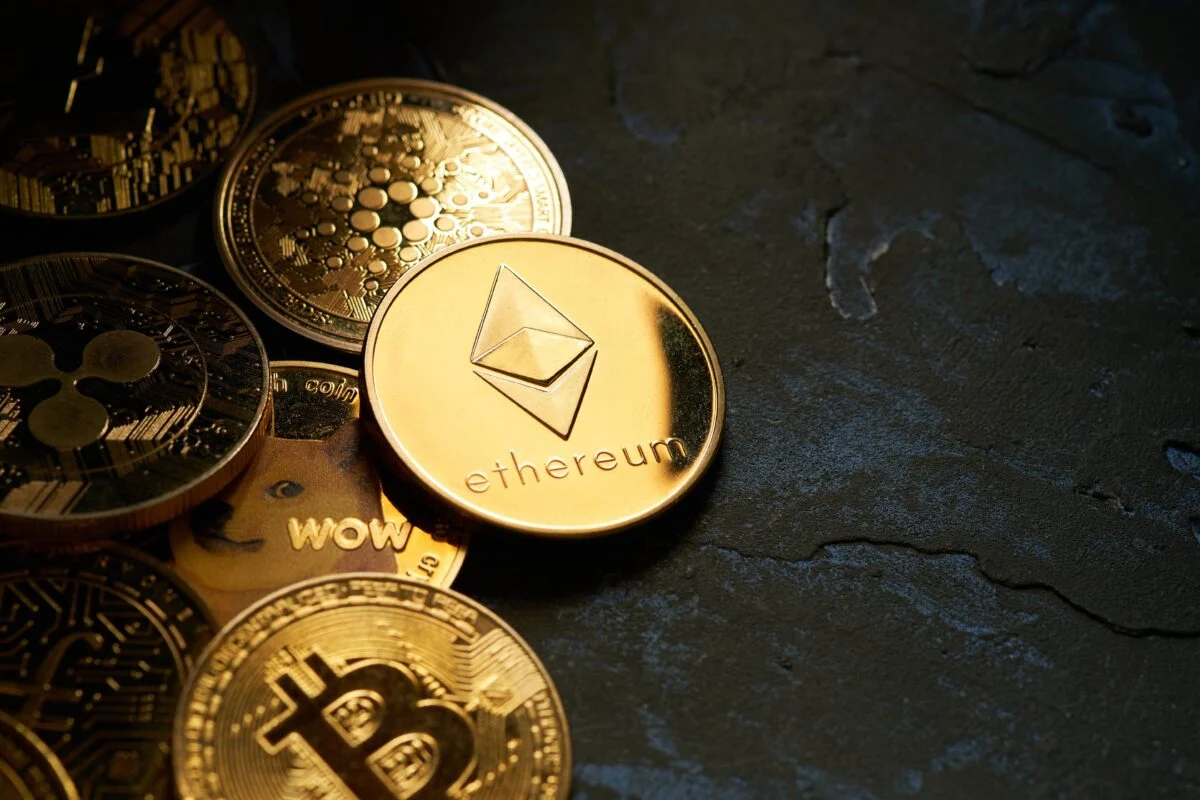
Quick Overview
- Ethereum’s market capitalization stands at approximately $281 billion compared to Solana’s $54 billion
- On-chain stablecoin value favors Ethereum at $164.1 billion versus Solana’s $15.45 billion
- Solana demonstrates stronger user engagement with 1.67M active addresses and temporarily dominated DEX trading in early 2026
- The Solana Foundation partnered with major financial institutions including Mastercard, Worldpay, and Western Union for its developer platform
- Analysts at Citigroup reduced Ethereum’s price forecast over concerns about declining network engagement
When it comes to smart-contract blockchain platforms beyond Bitcoin, Ethereum and Solana dominate the conversation. Determining which represents the superior investment opportunity requires careful consideration of your investment strategy and risk tolerance.
According to CoinGecko data, Ethereum commands a market capitalization near $281 billion, while Solana trails at approximately $54 billion. This valuation disparity reflects where institutional money and long-term confidence currently reside.
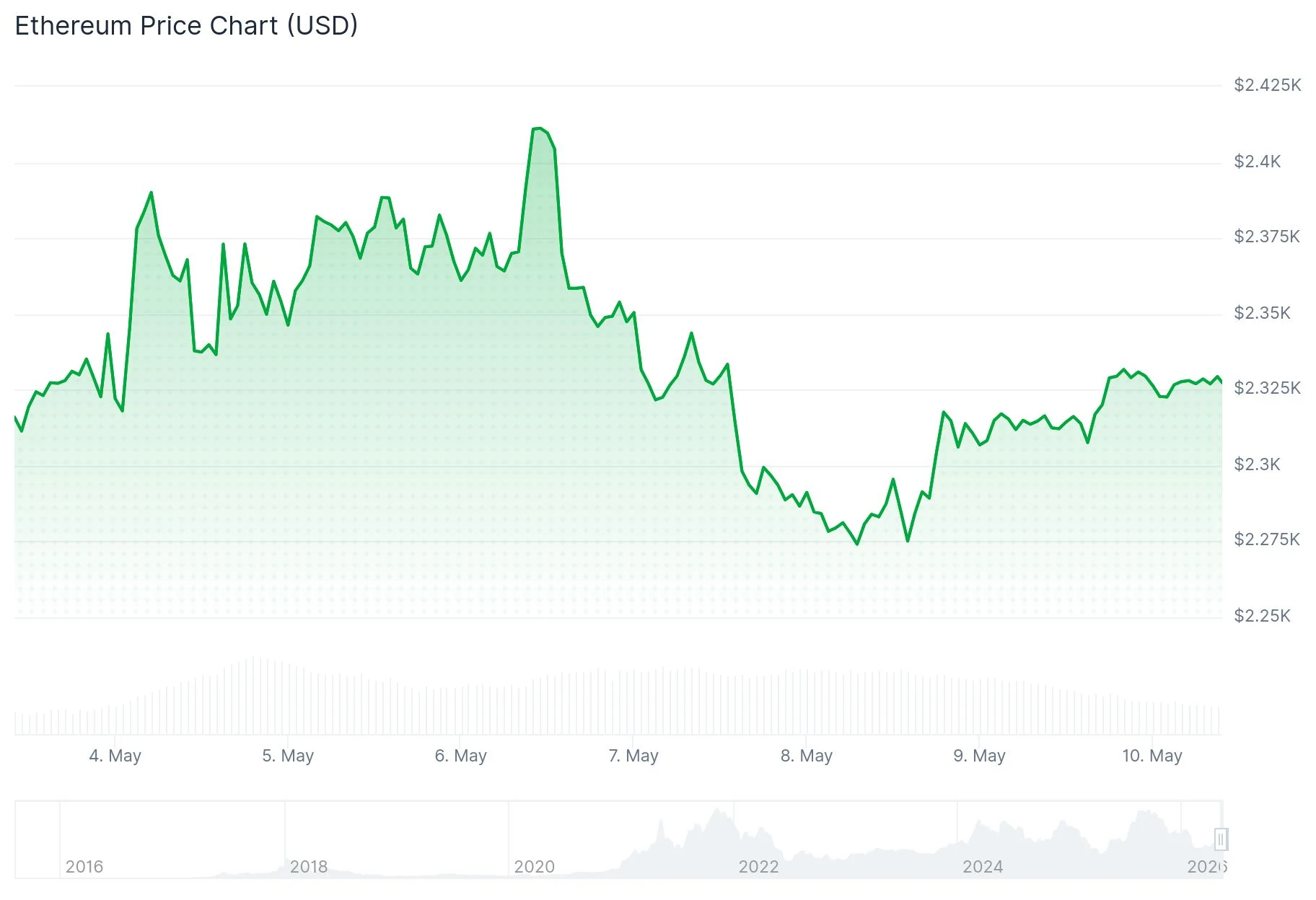
Data from DefiLlama reveals that Ethereum hosts $164.1 billion worth of stablecoins on its network. The platform records more than 565,000 daily active addresses alongside $1.343 billion in derivatives trading volume. These metrics underscore the concentration of substantial financial operations occurring within Ethereum’s ecosystem.
Solana presents a contrasting profile. With 1.67 million active addresses and $1.392 billion in daily decentralized exchange volume, the network demonstrates superior user engagement despite managing considerably less total capital.
Continuous Development Powers Ethereum Forward
Ethereum’s development trajectory remains aggressive. The Ethereum Foundation’s recent Pectra upgrade delivered significant improvements, including doubled blob capacity, increased maximum validator stakes, and accelerated validator onboarding processes. The Fusaka upgrade is currently live, with Glamsterdam and Hegotá scheduled for release later in 2026.

These protocol enhancements strengthen Ethereum’s transaction processing capabilities, staking mechanisms, and overall scalability. They reinforce Ethereum’s competitive advantage in fundamental infrastructure robustness.
Ethereum’s development roadmap reflects a commitment to sustainable network growth. This approach resonates with institutional investors and large capital allocators who prioritize stability and dependability.
Solana Targets Enterprise Adoption
Solana is actively expanding beyond its identity as a high-speed, low-cost retail trading platform. The Solana Foundation unveiled its Developer Platform in March, delivering an API-focused solution designed specifically for enterprise clients and traditional financial institutions.
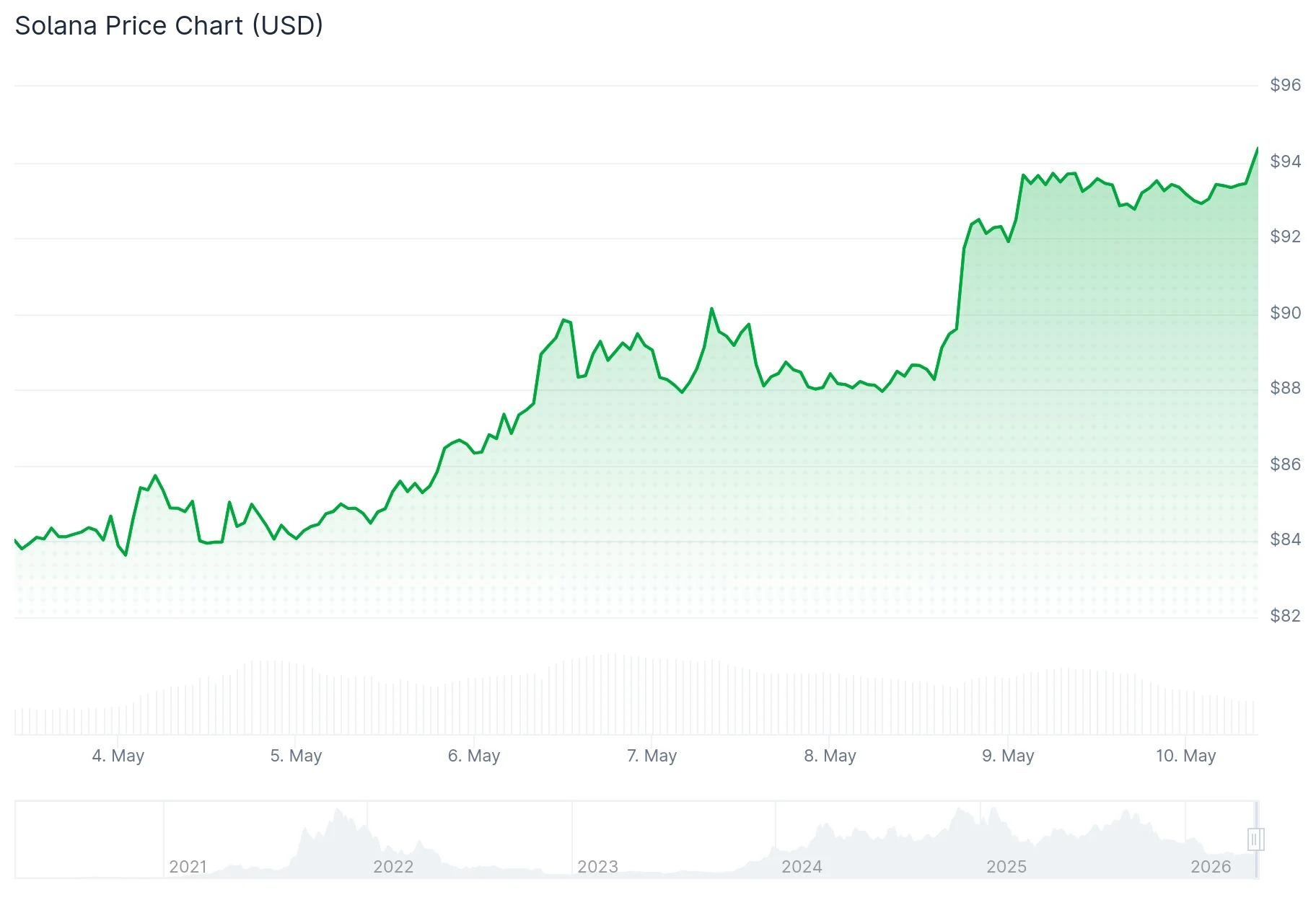
The platform has already attracted major partners including Mastercard, Worldpay, and Western Union. It supports use cases spanning tokenized deposits, stablecoin infrastructure, real-world asset tokenization, payment rails, and trading systems.
This roster of enterprise partnerships signals Solana‘s strategic pivot toward competing for institutional-grade financial infrastructure contracts rather than focusing exclusively on retail transaction volume.
CoinGecko data shows Solana captured 30.6% of spot DEX trading volume in Q1 2026, temporarily claiming the top position. By March, Ethereum recaptured leadership with a 27% market share compared to Solana’s 26%.
Solana excels at capturing periods of intense user activity. Ethereum consistently attracts capital during moments when infrastructure reliability becomes paramount.
Evaluating Investment Risks
Citigroup analysts lowered their 12-month Ethereum price projection in March, citing concerns over weakening network participation. The bank acknowledged ongoing strength in stablecoins and asset tokenization as counterbalancing factors.
Solana faces a distinct risk profile. It exhibits greater price volatility, continues operating under a deflationary token model, and requires sustained momentum to maintain growth trajectories.
Ethereum faces potential underperformance during broader altcoin rallies. Solana faces steeper price corrections when market sentiment deteriorates.
Investment Conclusion
Investors seeking elevated upside potential who accept increased volatility should consider Solana the more opportunistic position. Those prioritizing deeper liquidity pools, extensive institutional support, and proven operational history will find Ethereum remains the superior choice. Both cryptocurrencies present genuine investment risks, and neither guarantees positive returns.
Get 3 Free Stock Ebooks
Discover top-performing stocks in AI, Crypto, and Technology with expert analysis.
- Top 10 AI Stocks - Leading AI companies
- Top 10 Crypto Stocks - Blockchain leaders
- Top 10 Tech Stocks - Tech giants



