


TLDR
- Aviation fuel costs have skyrocketed from $2.50 to $4.24 per gallon following military operations against Iran by U.S.-Israeli forces
- United Airlines has developed contingency plans for Brent crude reaching $175 per barrel, potentially increasing annual fuel expenditures by $11 billion
- Budget airlines including JetBlue, Spirit, and Frontier were operating at losses even before the recent fuel price escalation
- Low-cost carriers throughout Asia are implementing fare increases, vendor consolidation, and innovative technologies like Starlink to manage expenses
- Industry analysts identify Delta and United as most resilient to fuel price volatility; Spirit Airlines faces potential liquidation due to the crisis
The American aviation sector is confronting its most severe financial challenge since the COVID-19 pandemic as jet fuel costs skyrocket in the wake of U.S.-Israeli military strikes against Iran. This fuel crisis is simultaneously devastating budget airlines throughout the Asian market, compressing profit margins and necessitating emergency cost reduction measures.
Industry data from Airlines for America shows jet fuel reached $4.24 per gallon last Thursday, representing a dramatic increase from the $2.50 price point recorded immediately prior to the Iran military operations. By Friday, Brent crude was exchanging hands at approximately $112 per barrel.
United Airlines CEO Scott Kirby informed company personnel that the carrier has developed financial models projecting Brent crude potentially reaching $175 per barrel and maintaining levels above $100 through 2027. This worst-case scenario would inflate United’s yearly fuel expenditure by approximately $11 billion — a figure exceeding double the airline’s most profitable year on record.
United Airlines Holdings, Inc., UAL
Nevertheless, Kirby characterized the circumstances as potentially advantageous, suggesting elevated fuel costs might enable United to acquire assets and capitalize on network adjustments as competing airlines falter.

Fuel expenditures constitute roughly 25% of airline operational expenses. Since airlines typically sell tickets weeks or months ahead of travel dates, sudden price increases impact profitability well before ticket pricing can be adjusted to compensate.
Moody’s credit ratings agency identified low-cost and ultra-low-cost carriers as most vulnerable to the fuel shock. JetBlue, Spirit, and Frontier were already recording financial losses prior to the recent price surge. Moody’s analysis indicated that if Brent crude had averaged $80 during the previous year rather than $69, aggregate operating profits across all rated U.S. airlines would have contracted by 50%.
Premium Carriers Better Equipped for Crisis
Delta and United produced the strongest operating margins among rated U.S. carriers during the previous year, per Moody’s assessment. S&P Global Ratings noted both airlines maintain minimal debt obligations, robust cash positions, and derive a greater proportion of revenue from premium-class tickets.
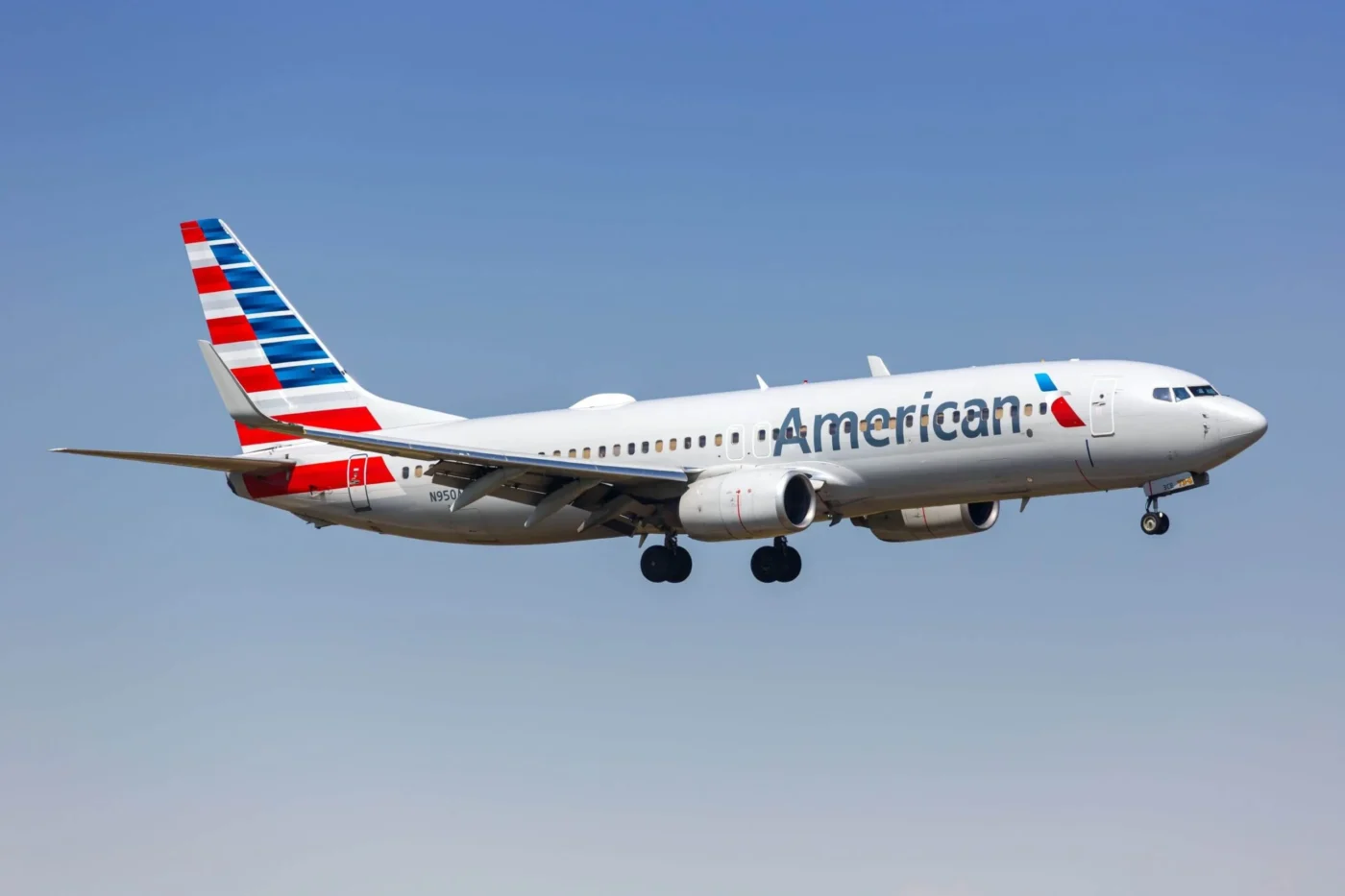
American Airlines begins this challenging period with more than $10 billion in accessible liquidity but shoulders approximately $25 billion in long-term debt obligations. CEO Robert Isom disclosed the fuel price escalation contributed roughly $400 million to first-quarter operational costs.
Southwest Airlines possesses a solid balance sheet, though Fitch cautioned that sustained elevated fuel prices could strain profitability and liquidity reserves. Alaska Air reported maintaining $3 billion in available liquidity and has implemented fare increases to counterbalance rising costs without reducing flight capacity.
JetBlue concluded the previous year holding $2.5 billion in liquidity with no fuel hedging instruments in place. S&P projects the airline will consume cash throughout this year before approaching breakeven status by 2027. Frontier recorded net losses last year while maintaining just $874 million in available liquidity.
Spirit Airlines, presently operating under bankruptcy protection, cautioned that the fuel price explosion could undermine creditor negotiations and result in complete liquidation.
Asian Low-Cost Carriers Implement Emergency Measures
Throughout Asia, budget airlines confront comparable challenges. SpiceJet reported that Middle East route interruptions are severely impacting its India-Dubai operations, which operates 77 weekly flights. ICRA downgraded India’s aviation sector outlook to negative on March 26, attributing the revision to elevated fuel costs and rupee depreciation.
Zipair Tokyo indicated its long-distance routes have circumvented Middle East disruptions and passenger demand continues strong. The carrier has equipped its aircraft with Starlink internet connectivity to eliminate entertainment hardware expenses and intends to expand its fleet to more than 20 aircraft by 2032.
SpiceJet’s technology division SpiceTech has eliminated approximately 80% of external technology service providers, decreasing operational expenditures while simultaneously marketing services to competing airlines.
Get 3 Free Stock Ebooks
Discover top-performing stocks in AI, Crypto, and Technology with expert analysis.
- Top 10 AI Stocks - Leading AI companies
- Top 10 Crypto Stocks - Blockchain leaders
- Top 10 Tech Stocks - Tech giants



