


Key Highlights
- For the first time in 24 years, Walmart lost its position as America’s revenue leader, with Amazon posting $716.9B versus Walmart’s $713.2B in 2025.
- Amazon’s top-line expansion hit 12.4% annually, while Walmart managed only 4.7% growth.
- The cloud division AWS posted 20% year-over-year gains and now represents 18% of Amazon’s overall revenue mix.
- Value investor Seth Klarman made a substantial $500M bet on Amazon during Q4 2025 while slashing his Alphabet holdings by 41%.
- Management forecasts 11–15% revenue expansion for the coming quarter and has committed $200B to capital spending in 2026.
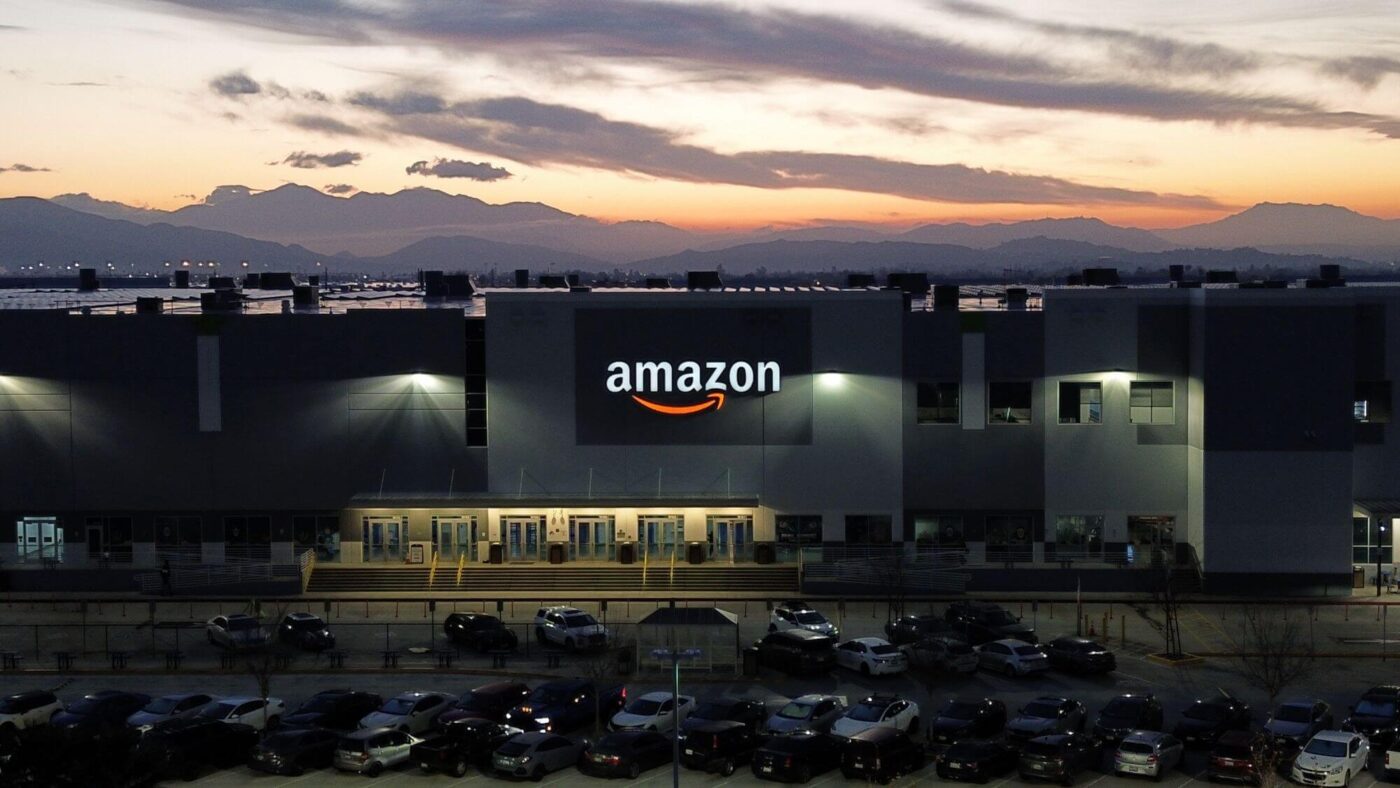
For the first time since 2001, Walmart has been unseated from the top revenue position among American corporations. Amazon closed 2025 with $716.9 billion in annual sales, edging past Walmart’s $713.2 billion.
Walmart originally captured the revenue crown from Exxon Mobil in 2001 and maintained its dominance for over two decades.
The divergence in growth trajectories paints a compelling picture. Amazon expanded its revenue base by 12.4% during 2025, while Walmart registered a modest 4.7% increase. If these trends persist, the gap separating these retail titans will continue expanding.
What’s Driving Amazon’s Superior Growth
Walmart generates approximately 90% of its income from physical stores and online shopping. Amazon operates a far more diversified revenue engine that includes marketplace commissions, logistics services, digital advertising, and enterprise cloud infrastructure.
The AWS cloud platform expanded 20% year-over-year and currently contributes about 18% to Amazon’s consolidated revenue. The advertising and fulfillment segments are also posting robust gains.
This revenue diversification provides Amazon with a competitive edge in accelerating top-line growth, even though its direct retail operations may not individually surpass Walmart’s brick-and-mortar sales.

Amazon now commands roughly 9% of the U.S. retail market, climbing from approximately 6% in the pre-pandemic era. Walmart holds about 7.6% market share, remaining essentially unchanged during the same timeframe.
The e-commerce leader is deploying $4 billion to construct same-day fulfillment centers across rural communities. During 2025, 100 million shoppers received same-day deliveries — representing the company’s fastest shipping performance to date.
Seth Klarman Makes Major AMZN Investment
While Amazon’s historic revenue achievement captured public attention, legendary value investor Seth Klarman was methodically accumulating shares during Q4 2025.
Klarman’s investment vehicle, Baupost Group, deployed approximately $500 million into Amazon throughout the quarter, elevating it to the fund’s second-largest allocation at 9.3% of total assets.
He financed this acquisition partially by reducing his Alphabet stake by 41%. Alphabet shares rallied about 65% during 2025, inflating its forward price-to-earnings ratio from roughly 20 in August to approximately 30 by year-end — an uncomfortable valuation for value-focused investors.
Amazon, conversely, advanced just 5% during the identical timeframe. This relative weakness appears to have attracted Klarman’s interest.
Amazon’s Future Trajectory
AWS posted 24% year-over-year revenue growth in Q4. Amazon is projecting 11–15% revenue expansion for the upcoming quarter, substantially exceeding Walmart’s 3.5–4.5% forecast.
Management has outlined plans for $200 billion in capital investments during 2026 to address escalating demand for artificial intelligence cloud infrastructure. Company executives have indicated that AWS capacity is struggling to keep pace with customer demand.
Amazon shares currently trade beneath the price point where Klarman established his Q4 holdings. Wall Street analysts are modeling approximately 20% earnings growth in 2027, with shares valued at roughly 22 times projected 2027 earnings.
Get 3 Free Stock Ebooks
Discover top-performing stocks in AI, Crypto, and Technology with expert analysis.
- Top 10 AI Stocks - Leading AI companies
- Top 10 Crypto Stocks - Blockchain leaders
- Top 10 Tech Stocks - Tech giants



