



Key Highlights
- Technology-heavy Nasdaq declined 0.5–0.7% as semiconductor stocks continued their retreat
- Semiconductor sector gauge plummeted approximately 3.5%, with Nvidia shedding nearly 2%
- Taiwan Semiconductor posted record quarterly revenue yet shares declined on pricing guidance
- Industrial-focused Dow gained modest ground while S&P 500 remained essentially unchanged
- Middle East military actions and stronger-than-expected employment figures contributed to volatile trading conditions
American equity markets displayed divergent performance Thursday, as the Dow Jones Industrial Average managed gains while the technology-focused Nasdaq stumbled under the weight of widespread semiconductor sector weakness.
The Dow climbed approximately 0.2%, emerging as the sole major benchmark to finish in positive territory. The S&P 500 traded in a narrow range around unchanged levels, whereas the Nasdaq Composite retreated between 0.5% and 0.7%.
Chip manufacturers bore the brunt of Thursday’s selling pressure. The PHLX Semiconductor Index tumbled nearly 3.5% during the session, extending Wednesday’s 2% decline.
Nvidia paced the downturn among semiconductor names, surrendering approximately 1.8%. The chip industry has faced mounting pressure as market participants debate whether present valuations adequately account for practical returns on artificial intelligence infrastructure investments.
Record TSMC Results Fail to Reverse Sector Pessimism
Taiwan Semiconductor Manufacturing Company unveiled record-breaking second quarter sales figures and increased its annual capital expenditure forecast. Notwithstanding the impressive financial performance, shares retreated following management’s indication that pricing adjustments would be implemented upward.

Investor sentiment has oscillated between optimism and caution as market participants scrutinize elevated valuations throughout the semiconductor and artificial intelligence sectors more rigorously.
Wednesday’s trading painted a contrasting picture. The Magnificent Seven technology giants surged powerfully, with Apple climbing 4%, while Alphabet, Meta Platforms, and Amazon each advanced more than 3%. Microsoft appreciated 2.8%.
Thursday’s market action presented an entirely different narrative. The Roundhill Magnificent Seven ETF declined, with Meta Platforms retreating 1% and Nvidia posting the steepest losses. The remaining Mag Seven constituents that managed gains advanced less than 1%.
Corporate Results and Economic Indicators Drive Market Direction
UnitedHealth Group and GE Aerospace both delivered earnings that exceeded analyst projections ahead of Thursday’s opening bell. Netflix commanded investor focus as results were scheduled for after-hours release.
Regarding macroeconomic data, June retail sales figures revealed consumer spending was dampened by elevated gasoline expenditures. Weekly unemployment insurance applications registered below consensus forecasts, signaling continued labor market strength.
Treasury bond yields and the US dollar index moved modestly higher, mirroring the resilient employment landscape.
Market participants also maintained vigilance regarding Middle Eastern geopolitical developments. The United States executed an additional round of military strikes against Iran on Wednesday. The Wall Street Journal disclosed that President Trump received briefings on potential escalation scenarios, encompassing intensified aerial campaigns and the prospective commitment of ground combat forces.
Petroleum transit through the strategically vital Strait of Hormuz remained a focal point for investors given potential ramifications for global energy costs.
The Nasdaq concluded Wednesday’s session with a 0.6% advance despite semiconductor sector headwinds, yet Thursday witnessed the index unable to sustain momentum without broad technology sector support.
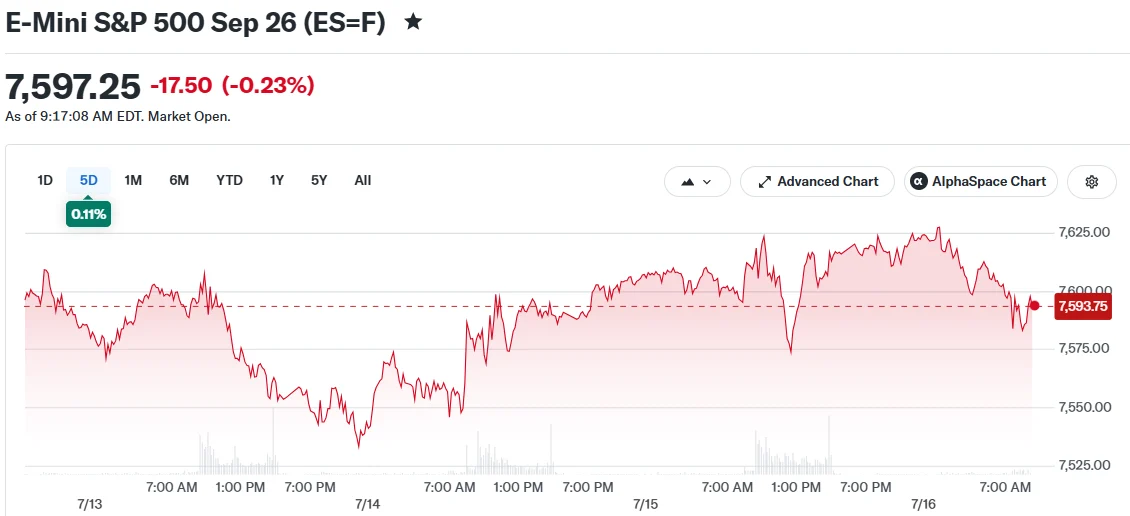
As of mid-morning Thursday, the S&P 500 traded near 7,562, registering a marginal decline for the session.
Get 3 Free Stock Ebooks
Discover top-performing stocks in AI, Crypto, and Technology with expert analysis.
- Top 10 AI Stocks - Leading AI companies
- Top 10 Crypto Stocks - Blockchain leaders
- Top 10 Tech Stocks - Tech giants



