


TLDR
- President Trump revealed a framework agreement with Iran, declaring the conflict has “ended”
- Brent crude plummeted 4.4% to $86.39 while WTI declined 4.5% to $83.77, reaching two-month lows
- European carrier stocks climbed between 4.1% and 8.5%, with Air France-KLM and Wizz Air leading gains
- The framework reportedly includes reopening the Strait of Hormuz without imposing transit fees
- Tehran has yet to validate the agreement, with Iranian sources stating no finalized text exists
European aviation stocks experienced substantial gains Friday following a significant decline in crude oil prices triggered by reports of a potential U.S.-Iran peace agreement. The reduction in energy costs provided a considerable boost to carriers throughout the region.
President Donald Trump announced Thursday that America had “ended the war with Iran.” He revealed that a memorandum of understanding had been established to reopen the Strait of Hormuz and secure Iranian pledges to abandon nuclear weapons programs.
As of 10:28 a.m. GMT, Brent crude had declined 4.4% to trade at $86.39 per barrel. WTI crude experienced a 4.5% drop to $83.77. These represented the lowest price points seen in approximately two months.
Aviation Shares Climb Throughout European Markets
Since fuel represents one of the largest operational expenses for airlines, declining oil prices typically generate rapid upward momentum in airline equities. Friday’s trading session followed this pattern precisely.
Equities throughout Europe’s aviation sector advanced between 4.1% and 8.5%. Air France-KLM recorded the most significant appreciation among the group. Wizz Air and Finnair also demonstrated robust upward movements.
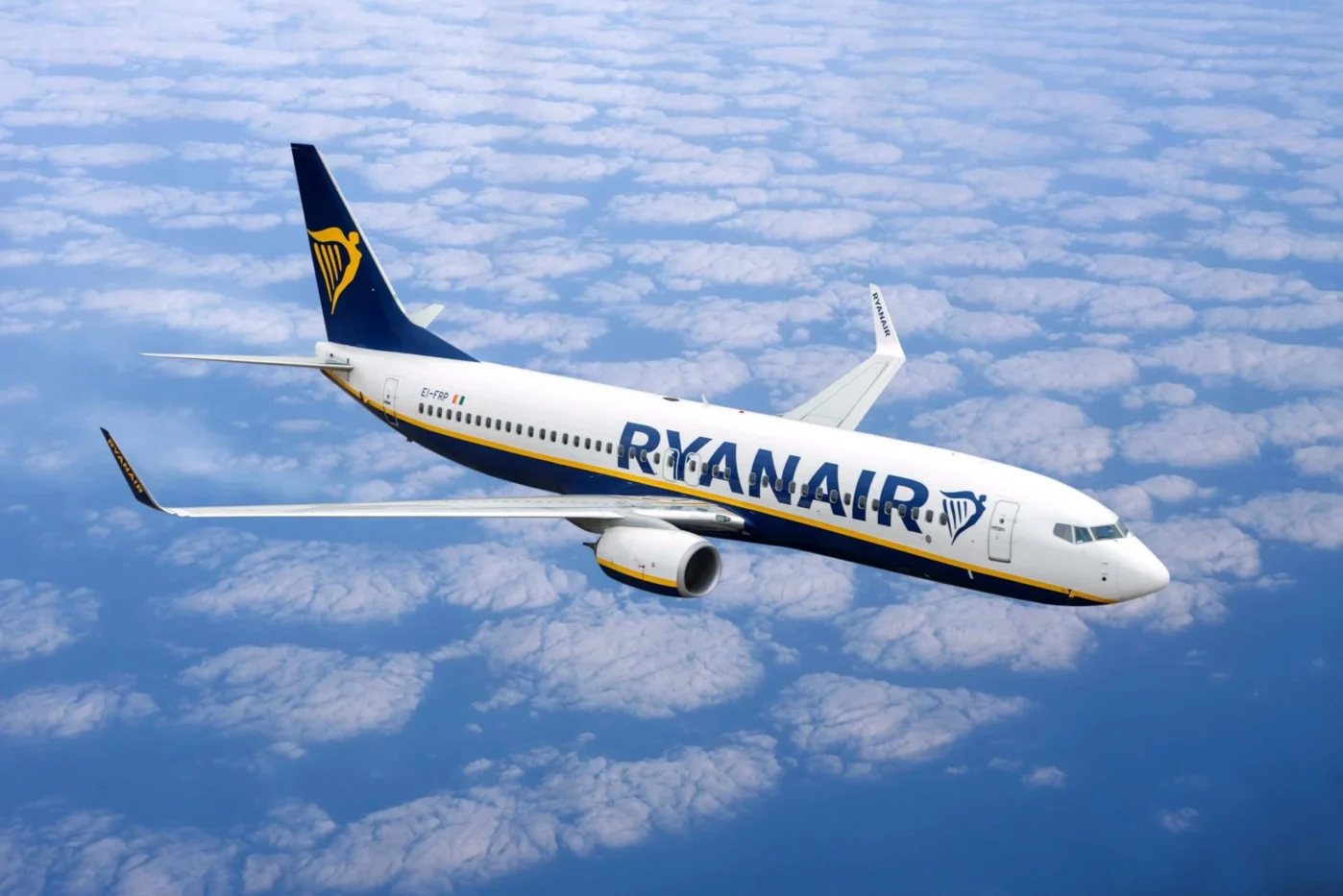
EasyJet underperformed relative to peers but still closed with gains. Ryanair, Lufthansa, IAG, and Norwegian Air Shuttle all recorded positive sessions as well.

The market action illustrated how rapidly investor outlook can transform when energy costs fluctuate. Airlines operate with narrow profit margins, making any reduction in fuel expenses immediately reflected in share prices.
Key Components of the Reported Iran Framework
According to Axios reports, which cited both a U.S. official and a diplomat representing a mediating nation, the proposed agreement would permit vessels to transit the Strait of Hormuz toll-free.
The framework would additionally extend the current ceasefire period by 60 days, encompassing Lebanon. Iran would obtain sanctions relief contingent upon fulfilling specified commitments, while the United States would remove its naval blockade.
Trump indicated that Vice President JD Vance might participate in a signing ceremony in Europe potentially as early as this weekend.
“We made a great deal. There’ll be no nuclear weapons. People will start coming home very soon. It’s pretty much completed. We got everything we wanted,” Trump stated during a telephone rally for an Alabama Senate candidate.
Tehran Remains Silent on Agreement Verification
Despite Trump’s public declarations, Iran’s reaction has been measured and noncommittal. The semi-official Fars news agency indicated that negotiators had not yet approved any agreement text, according to an unnamed source familiar with the discussions.
Iran was notably excluded from Trump’s list of nations that had endorsed the proposed framework. This omission generated uncertainty regarding whether a finalized agreement would materialize.
The circumstances remain in flux, with markets monitoring closely for any formal validation from Tehran. A collapse in negotiations could rapidly erase gains in airline stocks should oil prices rebound.
Get 3 Free Stock Ebooks
Discover top-performing stocks in AI, Crypto, and Technology with expert analysis.
- Top 10 AI Stocks - Leading AI companies
- Top 10 Crypto Stocks - Blockchain leaders
- Top 10 Tech Stocks - Tech giants



