


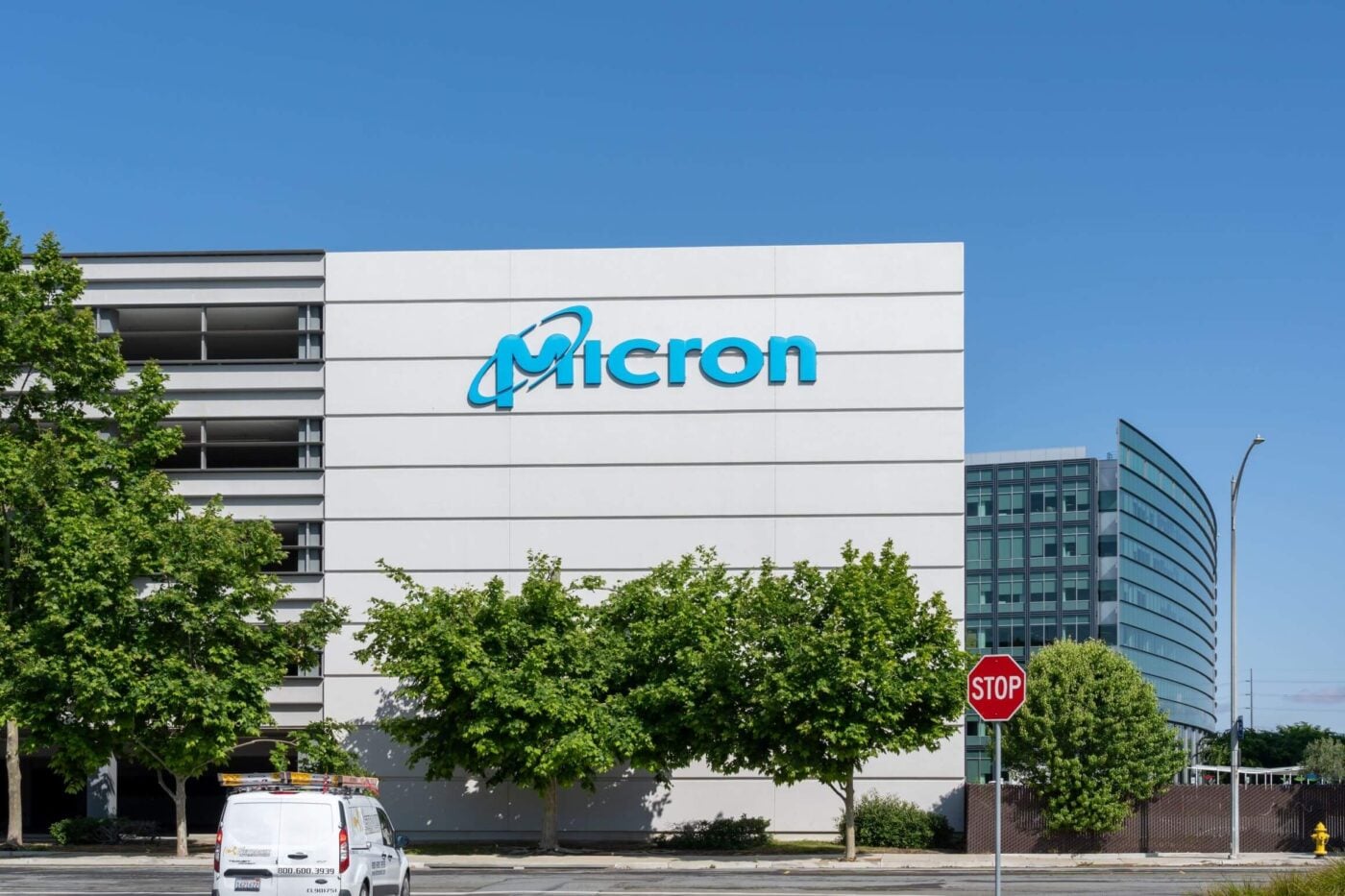
Key Takeaways
- Micron produces memory solutions for AI applications including DRAM, NAND, and HBM technology
- ASML manufactures lithography equipment essential for semiconductor production
- Micron’s recent earnings reflected unprecedented revenue growth fueled by data center AI applications
- ASML maintains substantial order commitments indicating sustained semiconductor manufacturing investment
- Micron presents higher immediate growth potential alongside greater cyclical vulnerability
- ASML provides more consistent long-term exposure to overall semiconductor industry expansion
The artificial intelligence revolution has created investment opportunities across the semiconductor landscape, with Micron and ASML representing two distinct approaches. One supplies the memory infrastructure powering AI systems. The other provides the sophisticated machinery enabling chip production. Understanding these differences matters for investors evaluating their options.
Recent financial performance from both corporations demonstrates strength. Each attributes artificial intelligence as a fundamental growth catalyst. However, their risk profiles and potential returns differ significantly.
Micron has emerged as among the most transparent AI infrastructure plays available to investors. Recent quarterly earnings revealed unprecedented revenue levels, robust profit margins, and strengthening cash generation. This performance stemmed primarily from hyperscale data centers and cloud providers expanding memory procurement to accommodate AI processing demands.
Advanced memory technologies including high-bandwidth memory and next-generation DRAM have become indispensable components of AI computational frameworks. During periods of constrained supply and elevated demand, Micron experiences direct advantages. Pricing power strengthens, profit margins widen, and bottom-line results improve accordingly.

The corporation has successfully transitioned away from historical dependence on consumer electronics and personal computing markets. Enterprise cloud infrastructure and data center memory solutions now constitute the core business focus. This strategic pivot has intensified Micron’s correlation with AI capital expenditure cycles.
Analyzing Micron’s Financial Performance
Micron’s latest quarterly disclosure reflected overwhelmingly AI-driven demand dynamics. Hyperscale infrastructure providers and enterprise data center operators are procuring memory at unprecedented volumes. This trend has simultaneously elevated both top-line revenue and profitability metrics.
The optimistic perspective appears compelling. Assuming continued AI server deployment growth and persistent memory supply constraints, Micron’s earnings trajectory could accelerate meaningfully. The company occupies a strategic position within one of the most supply-limited segments of the AI infrastructure ecosystem.
The cautious viewpoint carries equal validity. Memory semiconductors have historically exhibited pronounced cyclical characteristics. Should excess manufacturing capacity emerge, pricing deteriorates and margins contract rapidly. While Micron’s growth opportunity is substantial, vulnerability to cyclical reversals remains equally significant.
Understanding ASML’s Position in AI Growth
ASML operates differently—it doesn’t manufacture semiconductors directly. Instead, it produces the extreme ultraviolet lithography systems that foundries like TSMC, Samsung, and memory producers including Micron utilize for advanced chip fabrication. This positions ASML upstream in the value chain while simultaneously providing diversified exposure.
When semiconductor manufacturers increase capital expenditures to expand production capabilities, ASML experiences corresponding equipment sales growth. Recent financial results demonstrated solid revenue performance, healthy profitability, and an expanding order backlog. This backlog represents committed future purchases from customers investing in manufacturing infrastructure.
ASML has increasingly emphasized artificial intelligence as a sustained multi-year growth driver. The company benefits from capacity expansion across both logic processors and memory chips, creating a broader revenue foundation compared to Micron’s more focused business model.
The vulnerability for ASML centers on its dependence upon customer capital investment cycles. When chipmakers reduce infrastructure spending, ASML experiences direct impact. Additionally, export controls and geopolitical tensions affecting semiconductor equipment trade represent persistent headwinds.
Investment Considerations
Micron represents the more concentrated wager. Should AI memory demand maintain momentum, earnings growth could materialize rapidly. ASML offers greater stability, benefiting from diversified exposure and substantial order visibility providing forward revenue clarity. Both companies participate in AI expansion, yet through distinctly different supply chain positions.
Micron’s current financial trajectory reflects record-breaking revenue driven by AI memory consumption, while ASML continues reporting expanding order commitments as chipmakers invest in production capacity expansion.
Get 3 Free Stock Ebooks
Discover top-performing stocks in AI, Crypto, and Technology with expert analysis.
- Top 10 AI Stocks - Leading AI companies
- Top 10 Crypto Stocks - Blockchain leaders
- Top 10 Tech Stocks - Tech giants



