


Key Takeaways
- C.J. Muse from Cantor Fitzgerald increased his Micron (MU) price target from $1,500 to $2,000 while maintaining a Buy recommendation.
- The upgrade stems from Micron’s strategic customer agreements (SCAs), which Cantor believes secure as much as 50% of revenue with strong gross margins.
- Cantor simultaneously increased targets on multiple semiconductor stocks including Marvell, AMD, Intel, and Lam Research, pointing to an extended AI-powered chip industry supercycle.
- Phillip Securities analyst Yik Ban Chong independently boosted his MU price target from $530 to $1,870 following Micron’s exceptional Q3 FY26 earnings.
- Analyst consensus shows Strong Buy sentiment on MU stock, with a mean price target of $1,556.79 suggesting 36% potential upside.
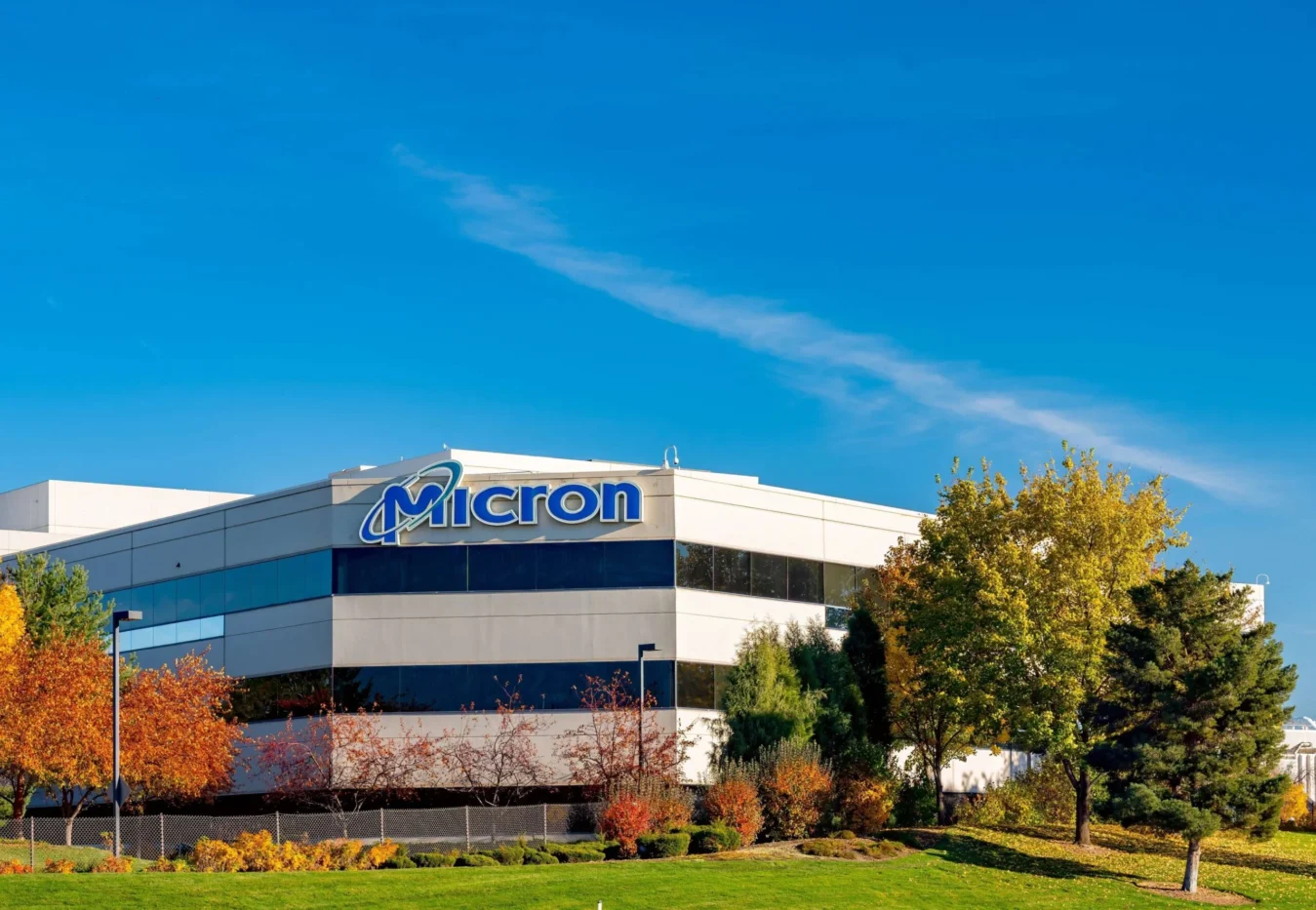
Micron Technology (MU) has secured fresh bullish sentiment from a prominent Wall Street analyst. On Monday, Cantor Fitzgerald’s C.J. Muse elevated his price target on the memory chip manufacturer to $2,000, up substantially from his previous $1,500 target.
Muse maintained his Buy recommendation on the stock. This adjustment was part of a comprehensive reassessment of semiconductor stocks across Cantor’s coverage universe.
The same day, Cantor lifted price targets on Marvell, AMD, Intel, and Lam Research. The investment firm anticipates AI infrastructure investments will fuel an extended semiconductor industry boom lasting multiple years.
Cantor projects the semiconductor industry will generate more than $3.5 trillion in revenue by decade’s end. This projection forms the foundation for the firm’s heightened enthusiasm about Micron’s prospects.

Strategic Customer Agreements Drive Analyst Optimism
The primary catalyst for Muse’s upgraded price target centers on Micron’s strategic customer agreements. These multi-year commitments bind customers to Micron’s products over extended timeframes.
According to Muse, these agreements could now cover as much as half of Micron’s total revenue. This represents a substantial portion of the company’s business insulated from quarterly fluctuations.
The analyst argues this fundamentally alters the valuation equation for Micron. He anticipates reduced volatility in end-of-quarter pricing discussions compared to previous memory market cycles.
Muse further believes the SCAs will enable more consistent margin performance across periods. This marks a departure from the cyclical boom-and-bust dynamics historically associated with memory semiconductor markets.
Cantor isn’t alone in its bullish stance. Yik Ban Chong from Phillip Securities dramatically elevated his Micron price target from $530 to $1,870.
This substantial increase followed Micron’s impressive Q3 FY26 financial results. Management characterized the period as the company’s most successful quarter on record.
Chong projects the memory supply constraint will persist beyond 2027. He anticipates Micron will continue securing additional strategic agreements with both current and prospective customers.
Implications for MU Stock Performance
The broader analyst community maintains decidedly positive sentiment toward Micron currently. The stock holds a Strong Buy consensus recommendation from Wall Street professionals.
This consensus rating reflects 29 Buy recommendations against a single Hold rating. Zero analysts currently assign a Sell rating to the stock.
The consensus price target stands at $1,556.79. This figure implies approximately 36% appreciation potential from present trading levels.
Cantor’s $2,000 target represents the most optimistic projection among covering analysts. It exceeds the Street consensus significantly and demonstrates strong confidence in Micron’s evolving contract framework.
The investment thesis depends on memory chip supply constraints persisting for years rather than months. Should this scenario materialize, Micron’s secured customer agreements could prove strategically advantageous rather than merely fortunate.
Presently, the analyst community demonstrates broad support for the stock. The subsequent challenge will be whether Micron continues executing strategic agreements that validate these elevated price targets.
Get 3 Free Stock Ebooks
Discover top-performing stocks in AI, Crypto, and Technology with expert analysis.
- Top 10 AI Stocks - Leading AI companies
- Top 10 Crypto Stocks - Blockchain leaders
- Top 10 Tech Stocks - Tech giants



