


Key Takeaways
- Micron shares plummeted during a widespread selloff affecting memory semiconductor manufacturers worldwide.
- Korean chipmakers SK Hynix and Samsung experienced losses exceeding 12%, dampening investor confidence throughout the industry.
- Market participants are scrutinizing whether AI-related capital expenditure can sustain its aggressive trajectory.
- Anxieties surrounding elevated interest rates and potential memory chip price erosion contributed to the downturn.
- Notwithstanding recent weakness, Micron shares have surged over 200% throughout 2026.
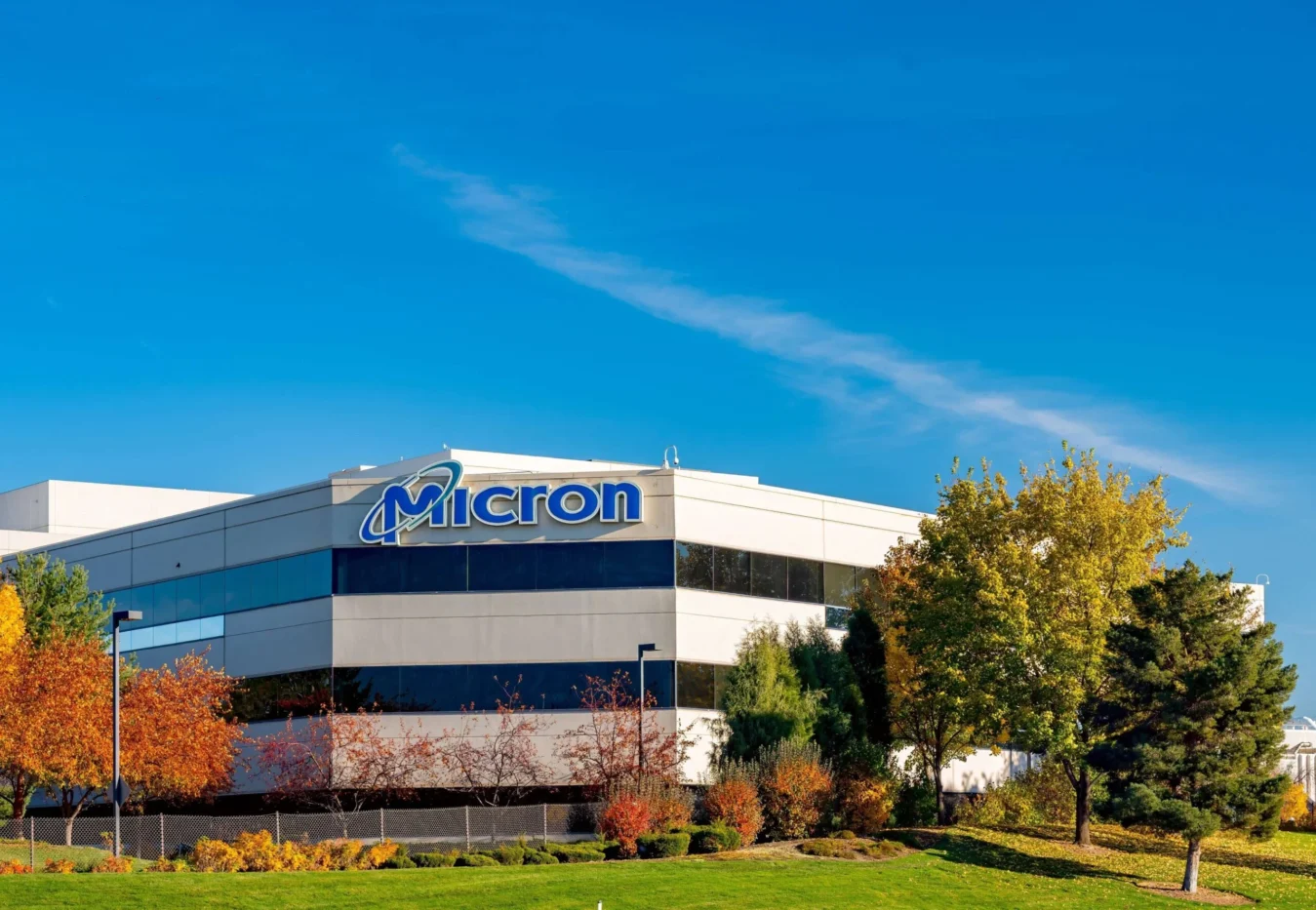
Shares of Micron (MU) experienced a significant decline as a comprehensive semiconductor selloff reverberated across international markets, pushing memory chip manufacturers substantially lower.
The downturn came on the heels of dramatic losses among South Korean semiconductor giants SK Hynix and Samsung, which each plummeted more than 12% during their trading sessions.
This vulnerability rapidly cascaded into U.S. chip equities, with Micron ranking among the hardest-hit casualties.
Doubts About AI Investment Levels Spark Selloff
Market observers have grown more skeptical about whether large-scale technology corporations can sustain their current investment velocity in artificial intelligence infrastructure buildouts.

Memory semiconductor producers have captured substantial benefits from the AI expansion as requirements for high-bandwidth memory and data center equipment have intensified.
Nevertheless, several market experts suggest investors are starting to contemplate whether revenue growth projections have become overly optimistic.
Any deceleration in artificial intelligence capital expenditure could materially affect demand projections throughout the chip manufacturing ecosystem.
Pricing Concerns Weigh on Sentiment
The market retreat was additionally influenced by apprehensions regarding memory chip valuations ahead.
Latest industry analysis indicated memory production capacity could expand substantially by 2027, elevating the likelihood of downward pricing dynamics.
Market participants have demonstrated heightened awareness to indicators that the present advantageous supply-demand balance might deteriorate.
Though these anxieties center on forward-looking periods rather than immediate financial performance, they amplified the negative momentum affecting memory chip equities.
Rate Uncertainty Resurfaces
Technology sector equities encountered additional headwinds from resurfacing anxiety about inflation and monetary policy.
Certain investors worry the Federal Reserve might maintain elevated borrowing costs for an extended duration or potentially implement additional rate increases should inflationary pressures persist.
Elevated borrowing costs typically pressure growth-oriented equities by diminishing the discounted value of prospective earnings streams.
The convergence of AI demand skepticism and broader economic uncertainty established challenging conditions for semiconductor equities.
Fundamental Thesis Unchanged
Despite the pronounced selloff, Micron continues ranking among the top-performing large-capitalization semiconductor stocks during 2026.
The corporation maintains robust demand tailwinds from AI-focused memory solutions and expanding data center infrastructure requirements.
Numerous equity analysts continue positioning Micron as a primary beneficiary of secular AI investment trends, though recent appreciation has elevated valuation benchmarks.
Currently, market participants seem to be harvesting gains following an unprecedented rally among memory chip manufacturers.
Get 3 Free Stock Ebooks
Discover top-performing stocks in AI, Crypto, and Technology with expert analysis.
- Top 10 AI Stocks - Leading AI companies
- Top 10 Crypto Stocks - Blockchain leaders
- Top 10 Tech Stocks - Tech giants



