


Quick Summary
- Trading halts on both NYSE and Nasdaq exchanges Monday, May 25, 2026, observing Memorial Day
- Normal trading hours resume Tuesday at 9:30 a.m. ET
- Fixed income markets and over-the-counter trading also suspended for the holiday
- Global exchanges in Tokyo, Hong Kong, Shanghai, and Paris maintain regular operations
- Historical data shows the S&P 500 gains an average of 0.5% during May based on 20-year performance
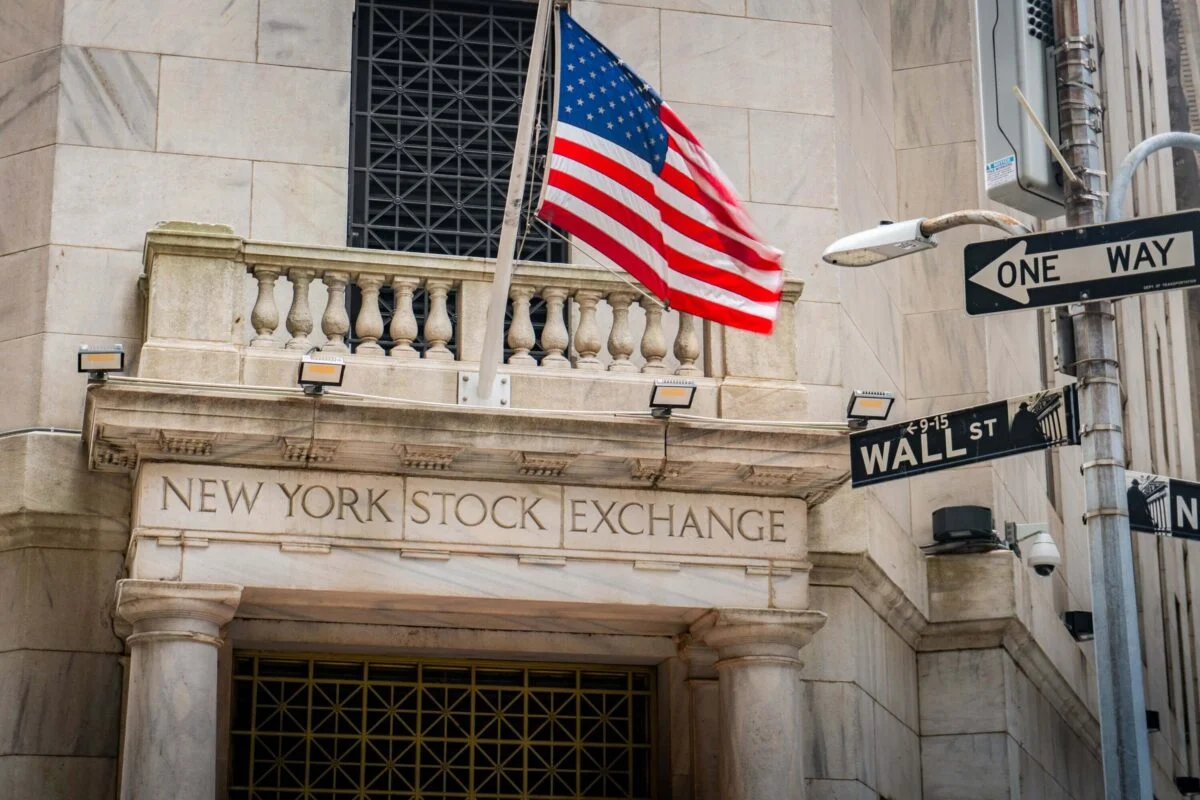
American equity markets will observe Memorial Day with a complete trading suspension on Monday, May 25, 2026. Both the New York Stock Exchange and Nasdaq will remain inactive until Tuesday’s opening bell.
This pause follows an eventful trading week on Wall Street. Market participants have been analyzing Nvidia’s quarterly financial results and monitoring developments in quantum computing equities.
Services and Markets Taking the Day Off
Fixed income trading concluded early Friday afternoon and remains suspended throughout the Memorial Day holiday. Over-the-counter trading platforms are similarly inactive.
Nationwide banking institutions are observing the holiday closure. Bank of America, Wells Fargo, Citibank, and JPMorgan Chase all follow the Federal Reserve’s official holiday calendar.
The U.S. Postal Service counts Memorial Day among its 11 annual holidays, meaning no mail delivery or post office operations today.
FedEx has paused the majority of its delivery operations, maintaining only FedEx Custom Critical services. UPS has suspended regular pickup and delivery routes, though Express Critical remains operational 24/7.

Global Trading Continues Uninterrupted
Since Memorial Day is exclusively an American federal observance, international financial centers maintain their regular schedules. Stock exchanges in Shanghai, Hong Kong, Tokyo, and Euronext Paris are conducting business as usual throughout the day.
Seasonal Market Patterns and Historical Trends
Investors frequently cite the saying “sell in May and go away” when discussing seasonal trading patterns. This adage suggests summer months typically deliver underwhelming performance. Historical evidence presents a nuanced picture.
Analyzing two decades of data, the S&P 500 has posted average May gains of 0.5%. When narrowing the timeframe to the most recent ten years, that figure climbs to approximately 1.5%.
June’s performance shows average gains of just 0.2% across 20 years, while the recent decade average improves to roughly 1.9%. July typically demonstrates stronger momentum, with the ten-year average reaching 3.4%.
August presents moderate results. The benchmark index has averaged 0.9% gains during August over the past decade, declining to 0.2% when examining 20 years of data.
September consistently ranks as the most challenging month for equities. The index has declined an average of 1.3% during September over the recent ten-year period.
Certain market observers also track the “holiday effect” phenomenon. This pattern describes a tendency for equities to appreciate modestly in the days preceding holidays, followed by softer performance afterward. Experts attribute this behavior partially to elevated consumer activity and partially to reduced trading volume as market participants take vacations.
Standard market operations resume Tuesday, May 27, with the opening bell at 9:30 a.m. Eastern time.
Get 3 Free Stock Ebooks
Discover top-performing stocks in AI, Crypto, and Technology with expert analysis.
- Top 10 AI Stocks - Leading AI companies
- Top 10 Crypto Stocks - Blockchain leaders
- Top 10 Tech Stocks - Tech giants



