


Key Highlights
- Joby Aviation partnered with Toyota to establish Joby Toyota Aero Manufacturing Preparation Company (JTAMPC).
- The joint venture will manufacture Joby’s S4 Series electric vertical takeoff and landing aircraft.
- Toyota secured a 51% majority stake, with Joby retaining 49% ownership.
- JOBY shares increased approximately 4%, while TM shares declined around 1.79%.
- Analysts maintain a Hold rating on JOBY with potential upside exceeding 55%.
Shares of Joby Aviation (JOBY) gained approximately 4% on Monday following the revelation of a strategic manufacturing alliance with Toyota Motor (TM). In contrast, Toyota’s stock dipped nearly 1.8% during the same trading session.
The collaboration between these two companies spans nearly ten years. This latest announcement elevates their partnership by establishing a dedicated manufacturing entity.
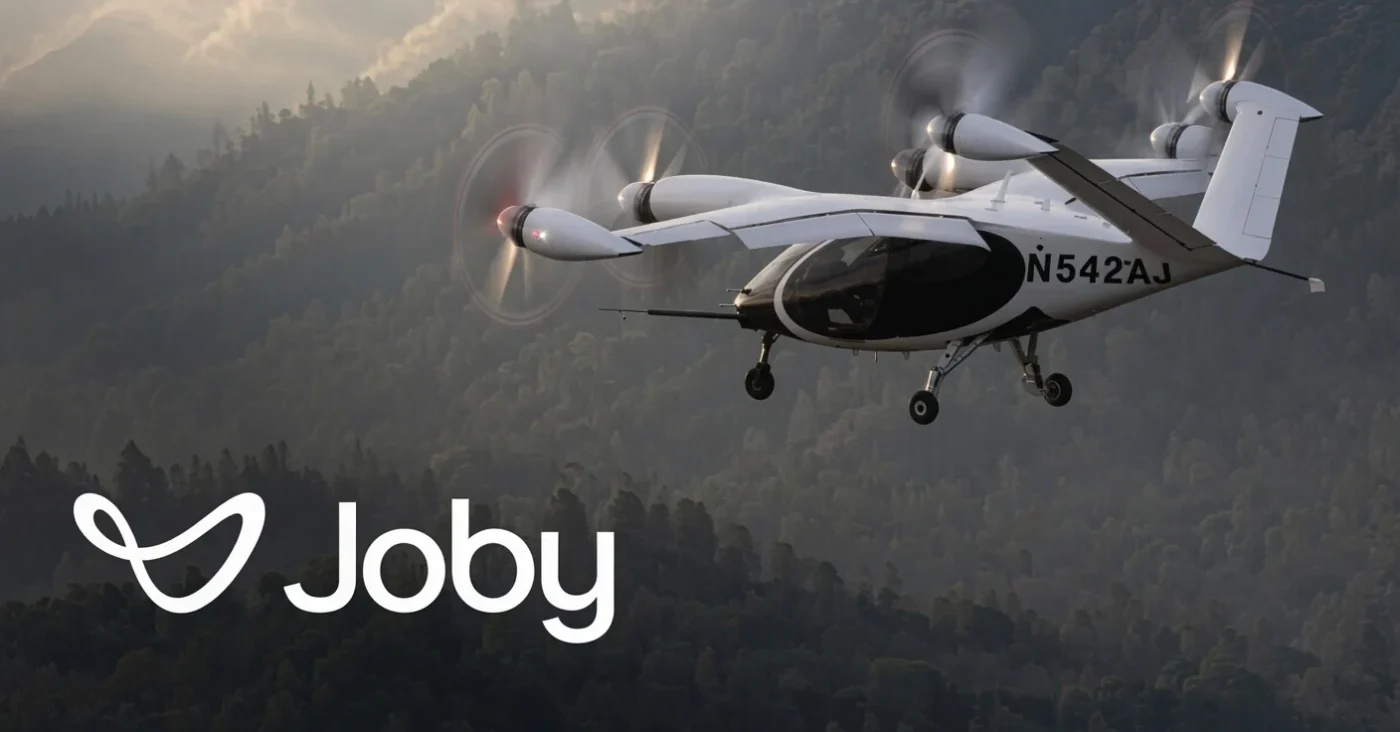
On June 29, Joby Aero, a Joby Aviation subsidiary, joined forces with Toyota to unveil the Joby Toyota Aero Manufacturing Preparation Company, abbreviated as JTAMPC. The primary objective: mass-produce Joby’s S4 Series electric vertical takeoff and landing aircraft.
Joby’s founder and CEO JoeBen Bevirt expressed gratitude to Toyota for its sustained partnership. Toyota Chairman Akio Toyoda remarked that aerial mobility aligns seamlessly with the company’s vision of delivering transportation solutions for all, now expanding from ground to air.

Venture Ownership Details
Toyota holds the controlling interest in this arrangement. The automotive giant acquired 1,020,000 shares of JTAMPC, securing a 51% ownership position, while Joby purchased 980,000 shares for the remaining 49%.
Governance will be handled by a five-person board of directors, with Toyota selecting three members and Joby naming two. Critical decisions including budget modifications, equity issuance, or consolidation activities require approval from both parties.
Joby has granted the joint venture exclusive manufacturing rights for the S4 aircraft, accompanied by a royalty-free intellectual property license. Toyota is providing its manufacturing expertise, including royalty-free access to co-developed technology and a royalty-based license for certain proprietary production techniques.
However, the arrangement includes termination provisions. The agreement can be dissolved if Joby fails to secure required funding, loses Federal Aviation Administration certification, or misses production benchmarks. Toyota also reserves the right to exit if Joby doesn’t purchase the specified aircraft quantity or attempts to manufacture the S4 with another partner without authorization.
The transaction may require Hart-Scott-Rodino notification and Committee on Foreign Investment in the United States review, subject to final structural determinations.
Strategic Implications for Both Partners
For Joby, this alliance provides entry to Toyota’s extensive manufacturing capabilities and reduces initial production expenses. Additionally, it establishes a more defined pathway toward satisfying FAA production standards during scaling operations.
For Toyota, this represents a concrete entry point into the aerial mobility sector. The manufacturer has been telegraphing intentions to diversify beyond conventional automobiles, and this venture translates that ambition into reality.
Toyota contributes substantial operational scale. The corporation maintains a market capitalization of $199.5 billion and trades at a P/E ratio of 9.24, per InvestingPro data.
Toyota has also maintained North American operations for approximately 70 years, with roughly 64,000 employees distributed across 14 manufacturing facilities throughout the region. Such infrastructure represents a significant competitive advantage.
From an analyst perspective, JOBY currently receives a Hold consensus rating, derived from two Buy recommendations, three Hold ratings, and one Sell rating issued within the last three months. The consensus price target stands at $13.90, suggesting potential upside of approximately 55.66% from present levels.
Joby maintains its goal of launching commercial air taxi operations in metropolitan areas globally, while simultaneously selling aircraft units to third-party operators.
Get 3 Free Stock Ebooks
Discover top-performing stocks in AI, Crypto, and Technology with expert analysis.
- Top 10 AI Stocks - Leading AI companies
- Top 10 Crypto Stocks - Blockchain leaders
- Top 10 Tech Stocks - Tech giants



