


Key Points
- Tehran is implementing a $1 per barrel cryptocurrency toll for vessels transiting the Strait of Hormuz throughout a two-week US-Iran truce period
- Large supertankers operating at full capacity may incur charges reaching $2 million
- Alternative payment options include Chinese yuan, deliberately bypassing the US dollar system
- Tehran’s central bank previously secured $500 million in USDT, contributing to the nation’s $7.8 billion digital asset sector
- Bitcoin prices surged approximately 7% following confirmation of US-Iran ceasefire negotiations
Tehran has announced plans to impose transit fees on vessels passing through the Strait of Hormuz, with payments required in Bitcoin throughout a two-week truce period established between Washington and Tehran.
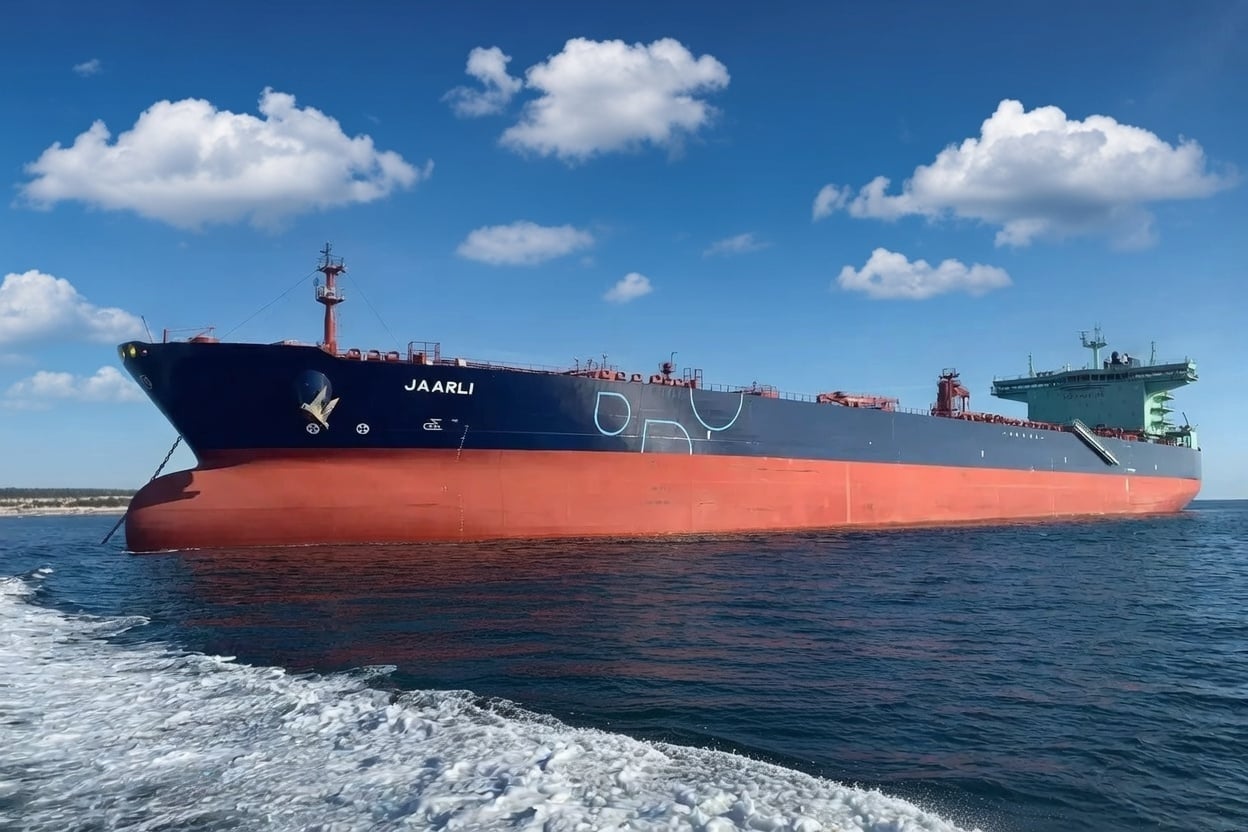
Hamid Hosseini, representing Iran’s Oil, Gas and Petrochemical Products Exporters’ Union, confirmed to the Financial Times that authorities will charge $1 for each barrel of oil transported. Supertankers carrying maximum loads could see bills totaling nearly $2 million.
Vessels traveling without cargo will receive exemption from these charges. However, ships transporting goods must settle payment obligations before receiving clearance to continue their journey.
According to Hosseini, maritime operators will have mere seconds to execute Bitcoin transactions after receiving authorization. This compressed timeframe aims to prevent tracking or confiscation of funds under current international restrictions.
Chinese yuan represents another acceptable payment method. Both currencies strategically avoid the US dollar framework and minimize exposure to potential asset freezes.
Tehran’s Strategic Shift to Digital Assets
Tehran has increasingly embraced cryptocurrency solutions over recent years as American economic restrictions have constrained its financial capabilities. The nation’s domestic currency has experienced severe depreciation relative to the US dollar.

Elliptic, a blockchain intelligence company, disclosed in January that Iran’s central banking institution had purchased $500 million in Tether’s USDt stablecoin. Additional research from TRM Labs identified approximately $3.7 billion in cryptocurrency transactions flowing through Iranian channels during the January-July 2025 timeframe.
Tehran’s complete digital currency infrastructure maintains an estimated valuation of $7.8 billion. Bitcoin has emerged as an essential mechanism for the nation’s financial transactions during emergency situations.
The Strait of Hormuz represents a critical global oil transportation route. Numerous vessels faced effective blockades following American-Israeli military operations targeting Iranian installations throughout February and March.
Truce Conditions and Energy Market Impact
President Donald Trump disclosed the ceasefire agreement via his Truth Social account, confirming the arrangement includes halting military actions against Iran and complete restoration of Strait of Hormuz navigation.
Tehran’s official media outlets indicated the country submitted a 10-point proposal as prerequisite conditions for accepting the agreement. This framework encompasses maintained Iranian authority over the maritime passage and removal of American economic sanctions.
Oil prices exceeded $100 per barrel for the initial occurrence in four years after the previous disruptions. Global energy markets have maintained close observation of crude oil valuations throughout the ongoing tensions.
Bitcoin valuations experienced significant fluctuation during this timeframe, oscillating between $65,000 and $75,000. Following Tuesday’s ceasefire announcement, Bitcoin appreciated by approximately 7%.
The Block had previously documented increases in Iranian Bitcoin activity during March as regional conflicts intensified.
Get 3 Free Stock Ebooks
Discover top-performing stocks in AI, Crypto, and Technology with expert analysis.
- Top 10 AI Stocks - Leading AI companies
- Top 10 Crypto Stocks - Blockchain leaders
- Top 10 Tech Stocks - Tech giants



