


Key Highlights
- Intel commits €5 billion ($5.7 billion) to expand its Dublin-area Leixlip facility for enhanced AI chip manufacturing.
- The capital injection will increase production capacity for Xeon server chips and strengthen R&D capabilities at Intel’s European headquarters.
- Approximately 70% of the funding will be allocated before the close of 2027, accounting for roughly 30% of Intel’s projected $17B capex in 2026.
- Intel reacquired 50% ownership of the Irish facility in April for $14.2 billion after previously selling it to Apollo Global Management.
- The project is projected to generate hundreds of new positions, supplementing Intel’s current 4,900 employees in Ireland.
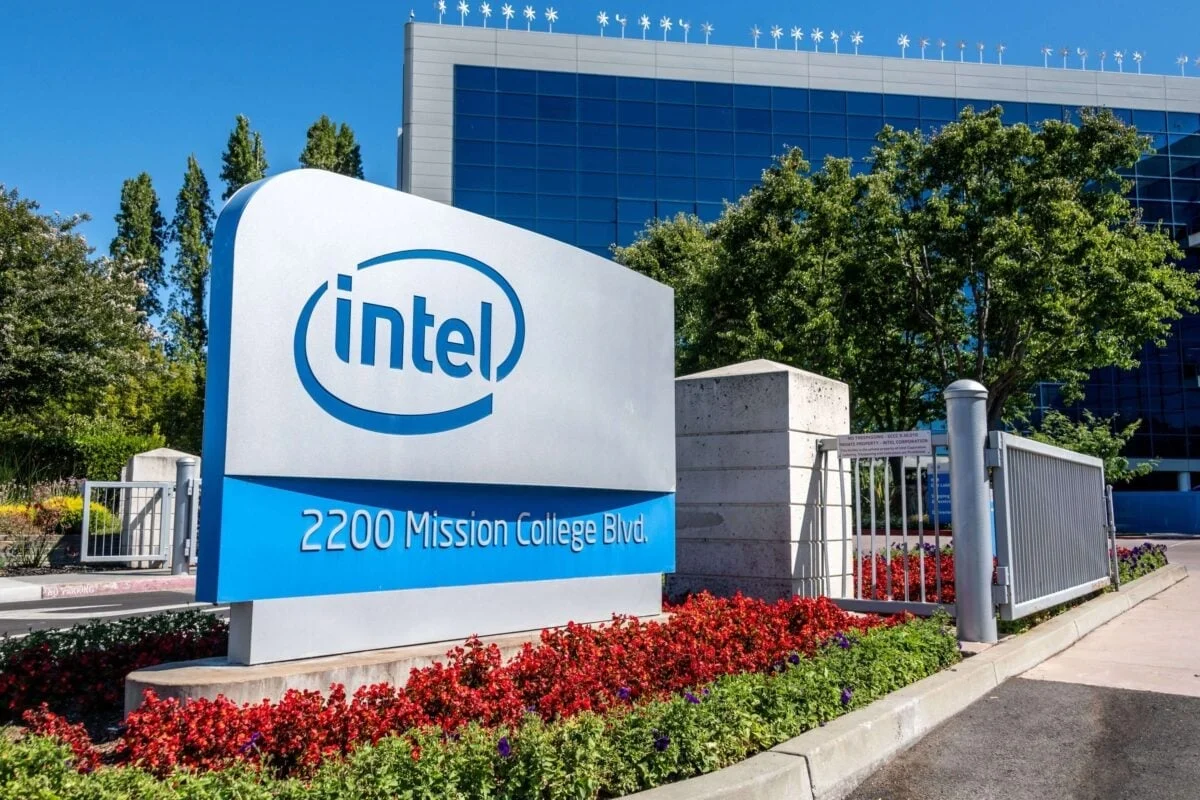
Intel has announced a €5 billion ($5.7 billion) capital commitment to expand its Leixlip manufacturing complex near Dublin, marking a significant bet on the surging demand for artificial intelligence and high-performance computing semiconductors. At the time of disclosure, INTC stock experienced a 6.06% decline.
The funding will modernize current fabrication infrastructure and introduce cutting-edge manufacturing technology. According to Intel, the Leixlip location currently stands as Europe’s most sophisticated semiconductor production complex.
The planned expansion aims to increase manufacturing volume for Intel Xeon 6 processors alongside upcoming Xeon chip generations utilizing Intel’s Intel 3 process technology. “The demand for servers, the demand for AI is driving a significant increase in the need for Intel 3 wafers,” stated Naga Chandrasekaran, Executive Vice President of Intel Foundry.
The bulk of the investment is scheduled for deployment before 2027 concludes. This €5 billion allocation represents approximately 30% of Intel’s total anticipated capital spending of $17 billion for the 2026 fiscal year.

Since establishing its European operations center in Ireland in 1989, Intel has now channeled over €30 billion into the country. More than half of this total was deployed between 2019 and 2023 on a fabrication plant that effectively doubled Ireland’s semiconductor manufacturing capacity.
Advancing Intel’s Foundry Strategy
The Leixlip development directly supports Intel’s evolving foundry strategy. Chandrasekaran indicated the investment will partially serve to expand production capabilities for Intel Foundry clients — the business unit manufacturing semiconductors for external partners that forms a cornerstone of Intel’s competitive repositioning against players like TSMC.
Intel continues working to expand its foundry customer portfolio following initial challenges. Last June, President Donald Trump announced that Intel would collaborate with Apple on semiconductor design and manufacturing within the United States — a partnership that could substantially strengthen the foundry operation if finalized.
This past April, Intel completed a $14.2 billion transaction to repurchase half ownership of the Leixlip facility from Apollo Global Management, demonstrating increased conviction in its manufacturing trajectory.
Strategic Importance for Ireland
The investment holds substantial economic significance for Ireland. Foreign-owned enterprises currently represent 11% of Ireland’s total employment, having approximately doubled their workforce presence over the past ten years.
A mere three corporations contribute nearly half of Ireland’s corporate tax revenue, creating vulnerability to multinational corporate decision-making. Intel’s renewed capital pledge provides some relief from this concentration risk.
Irish Prime Minister Micheal Martin characterized the announcement as “a powerful vote of confidence in Ireland.” The expansion is anticipated to create several hundred additional positions beyond Intel’s existing 4,900-employee Irish team.
Beyond the United States, Intel maintains only one other significant manufacturing presence, located in Israel. The Leixlip campus, which connects multiple production facilities across the site, assumes heightened strategic value as Intel competes to maintain relevance in the accelerating global AI semiconductor market.
Get 3 Free Stock Ebooks
Discover top-performing stocks in AI, Crypto, and Technology with expert analysis.
- Top 10 AI Stocks - Leading AI companies
- Top 10 Crypto Stocks - Blockchain leaders
- Top 10 Tech Stocks - Tech giants



