


Key Takeaways
- HSBC has adopted its most aggressive pro-equity stance since Liberation Day
- Marginal improvements in headlines are sufficient to fuel further gains, according to the firm
- Tax refund data shows year-over-year increases of 15–25%, bolstering household spending power
- Declining sentiment around artificial intelligence has eliminated the tech sector’s U.S. valuation edge, presenting a buying window
- The bank identifies 4.3% on the 10-year Treasury as a critical watch level that could destabilize markets
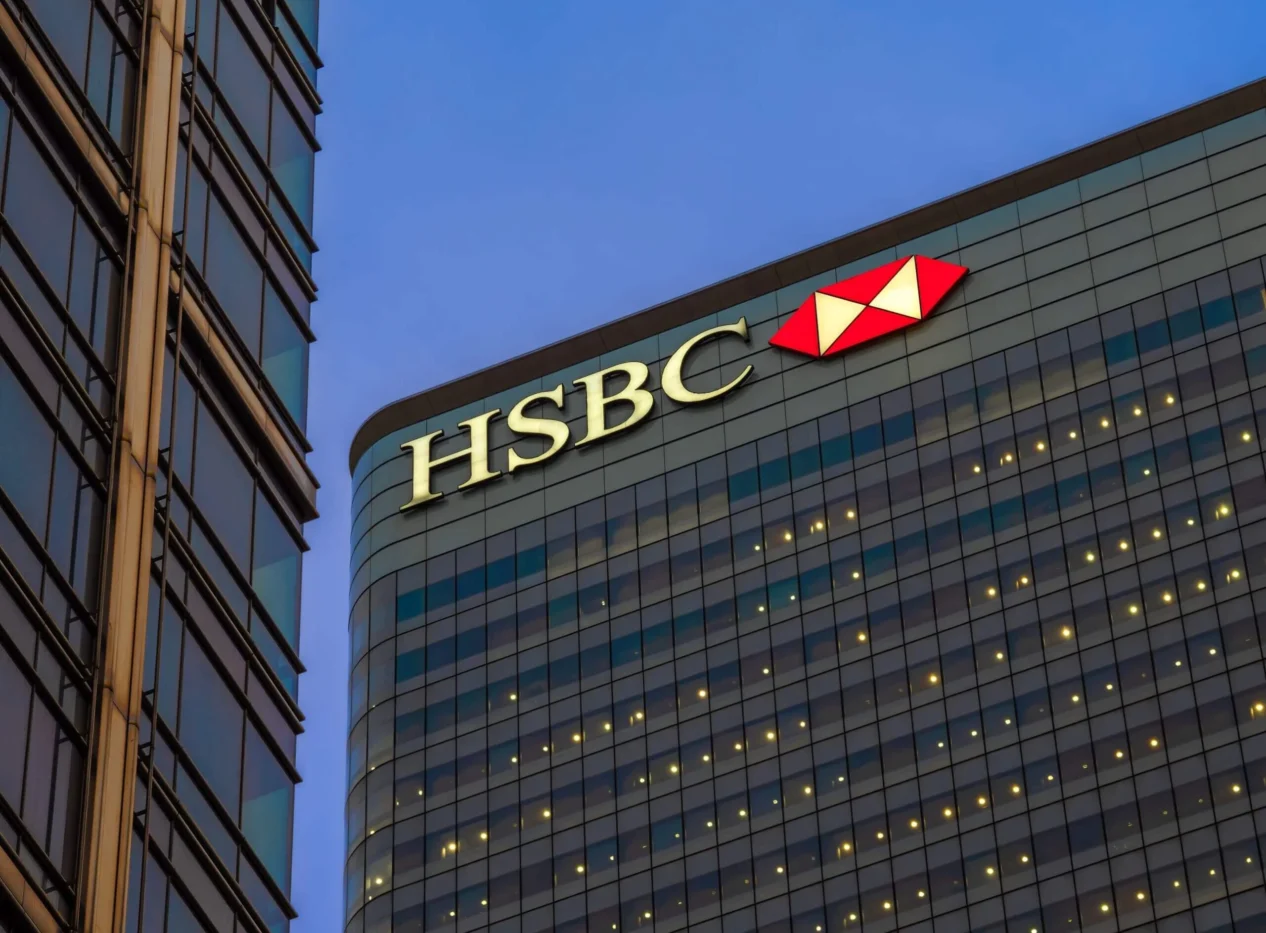
HSBC has reached its most aggressive bullish positioning on equities since the tariff announcements on Donald Trump’s “Liberation Day,” arguing that investor anxiety over geopolitical developments is excessive.
In a research note released Monday, a team led by Max Kettner, who serves as HSBC’s chief multiasset strategist, indicated that equity markets don’t require complete resolution of tensions involving the U.S., Israel, and Iran to continue their upward trajectory. Instead, modest de-escalation will suffice.
“Less bad news flow is good enough, in our view,” the analysts stated.
The standoff involving the United States, Israel, and Iran has persisted for roughly six weeks. This past weekend saw 21 hours of negotiations between Washington and Tehran end without breakthrough. U.S. equity futures pointed lower Monday following the stalemate, while oil surged past $100 per barrel after Trump announced a blockade in the Persian Gulf.
Yet HSBC maintains its conviction.
The firm’s allocation framework shows maximum overweight positioning in equities. Geographic preferences include emerging market Asia, Japan, and Europe — with European banking stocks receiving particular emphasis. The bank also maintains a double overweight in emerging market local currency debt and an overweight allocation to high-yield corporate bonds.
Kettner’s group contends that momentum and directionality carry more weight than absolute levels when assessing geopolitical risk. With credit spreads and equity valuations approaching pre-crisis levels, the bank anticipates growing criticism about investor complacency. HSBC is actively refuting that narrative.

Economic Fundamentals Remain Solid
U.S. economic indicators continue to show resilience. Tax refund disbursements are tracking 15% to 25% higher than 2025 comparables. Credit card transaction volumes are climbing. Comparable store sales metrics are accelerating. HSBC cites these trends as reasons for optimism ahead of second-quarter corporate earnings reports.
“What matters more than geopolitics is what’s driving the global earnings outlook,” Kettner noted.
The firm highlighted how two consecutive quarters of waning enthusiasm for artificial intelligence have essentially eliminated the valuation advantage that U.S. technology equities previously enjoyed. HSBC views this compression as creating opportunity. The bank anticipates capital flows returning to U.S. markets and technology names as part of a broad V-shaped recovery pattern across multiple asset categories.
Critical Threshold Identified
HSBC did identify one significant vulnerability. Should U.S. economic exceptionalism reassert itself — characterized by falling unemployment and accelerating growth — Treasury yields may climb back above 4.3% by late second quarter or early summer.
The firm designates 4.3% on the 10-year Treasury note as the “Danger Zone” level. Beyond that point, virtually all asset classes face heightened pressure.
As of Monday’s trading session, crude oil prices exceeded $100 per barrel and U.S. stock futures indicated a negative open following the weekend’s unsuccessful negotiations with Iran.
Get 3 Free Stock Ebooks
Discover top-performing stocks in AI, Crypto, and Technology with expert analysis.
- Top 10 AI Stocks - Leading AI companies
- Top 10 Crypto Stocks - Blockchain leaders
- Top 10 Tech Stocks - Tech giants



