


TLDR
- Hertz shares surged approximately 18% following the announcement of dual fleet agreements with Uber
- The company’s new Oro Mobility division will oversee charging infrastructure, vehicle maintenance, repair services, and personnel for Uber’s self-driving Lucid fleet
- The autonomous ride service will utilize Lucid Gravity SUVs equipped with Nuro’s autonomous driving technology, set to debut in San Francisco’s Bay Area before 2026 ends
- Both companies intend to investigate expansion possibilities throughout 2027
- This agreement extends Hertz and Uber’s current ride-share vehicle rental collaboration
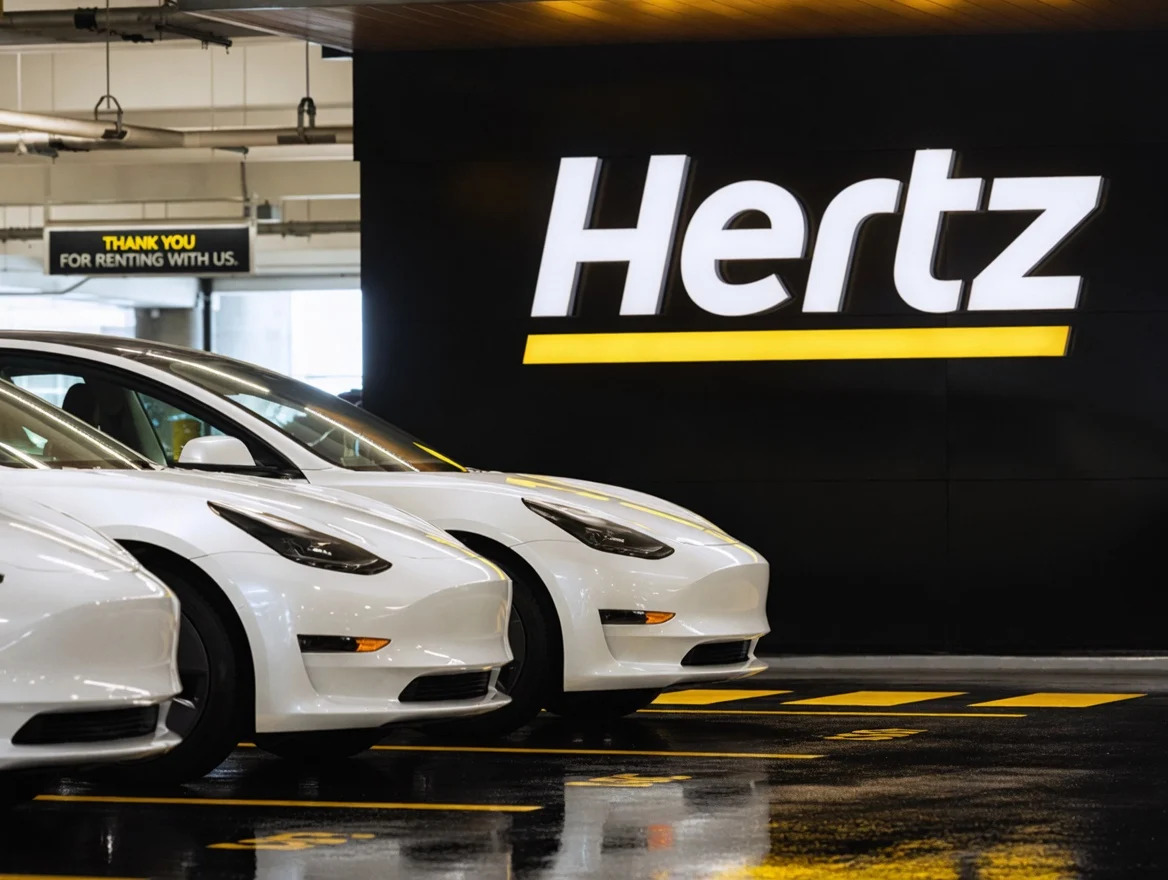
Shares of Hertz experienced a significant surge on Thursday following the announcement that the rental car company has formed a strategic alliance with Uber to facilitate the ride-hailing platform’s autonomous vehicle operations.
During midday trading sessions, Hertz climbed 18.4% to reach $6.63 per share. Meanwhile, Uber experienced a slight decline of 0.6%, settling at $74.02.
Hertz Global Holdings, Inc., HTZ
The partnership revolves around Oro Mobility, a freshly established subsidiary of Hertz. This division will manage operational responsibilities for Uber’s fleet of autonomous vehicles, encompassing charging services, routine maintenance, repair work, vehicle cleaning, and depot personnel management.
Uber’s robotaxi initiative will employ Lucid Gravity SUVs integrated with autonomous driving systems developed by Nuro. Lucid shares also benefited from the announcement, climbing approximately 5.5%.

The autonomous ride service is scheduled to commence operations throughout the San Francisco Bay Area prior to the conclusion of 2026. According to both companies, discussions regarding potential expansion initiatives are planned for 2027.
Gil West, CEO of Hertz, explained that Oro was created to bridge demand with scalable fleet operations. “This collaboration strengthens our expertise across various mobility applications,” West stated in the official announcement.
Andrew Macdonald, Uber’s Chief Operating Officer, emphasized that the collaboration will facilitate the integration of autonomous technology into Uber’s platform and accelerate the transition toward a combined network featuring both human drivers and self-driving vehicles.
Hertz Pivots Its Mobility Strategy
This partnership marks a new chapter in Hertz’s efforts to capitalize on emerging mobility trends. Back in 2021, the company garnered significant attention by unveiling a massive 100,000-vehicle electric vehicle purchase agreement with Tesla, which temporarily propelled Tesla’s valuation beyond the $1 trillion threshold.
Hertz subsequently revealed intentions to acquire up to 175,000 electric vehicles from General Motors along with 65,000 units from Polestar. However, none of these ambitious procurement plans reached full completion.
By the beginning of 2024, Hertz found itself selling off portions of its electric vehicle inventory at a financial loss. Unexpectedly elevated maintenance expenses, particularly from vehicles rented by Uber drivers, combined with Tesla’s dramatic pricing reductions, forced the company to reverse course.
Oro Mobility signifies a strategic pivot. Instead of purchasing and leasing electric vehicles, Hertz is now establishing itself as a comprehensive fleet management and operational services provider—a model more aligned with its traditional expertise.
Industry Competitors Already Operating in This Arena
Hertz isn’t the only player entering this specialized market. Competitor Avis has already established fleet management operations for Waymo, the autonomous vehicle division of Alphabet.
As numerous robotaxi ventures seek to outsource their logistical operations, a substantial market opportunity is emerging for specialized third-party operators like Oro Mobility.
Uber maintains partnerships with dozens of autonomous vehicle developers worldwide. The company has committed to acquiring no fewer than 35,000 robotaxi-capable vehicles from Lucid Motors. This begins with an initial order of 10,000 Gravity SUVs, followed by an additional 25,000 vehicles based on Lucid’s forthcoming mid-sized vehicle platform.
Uber currently maintains an ownership stake exceeding 11% in Lucid Motors, acquired through its strategic investments accompanying these vehicle procurement agreements.
Prior to Thursday’s announcement, Hertz had already posted gains of 22% throughout April and 9% year-to-date.
Get 3 Free Stock Ebooks
Discover top-performing stocks in AI, Crypto, and Technology with expert analysis.
- Top 10 AI Stocks - Leading AI companies
- Top 10 Crypto Stocks - Blockchain leaders
- Top 10 Tech Stocks - Tech giants



