


Key Takeaways
Republican leadership proposes restricting congressional use of political betting platforms.
Bryan Steil plans to incorporate prediction platform regulations into existing trading legislation.
Platforms like Polymarket and Kalshi encounter heightened congressional examination.
Lawmakers consider betting restrictions alongside broader insider trading safeguards.
Pending legislation H.R. 7008 could broaden scope beyond equity transactions.
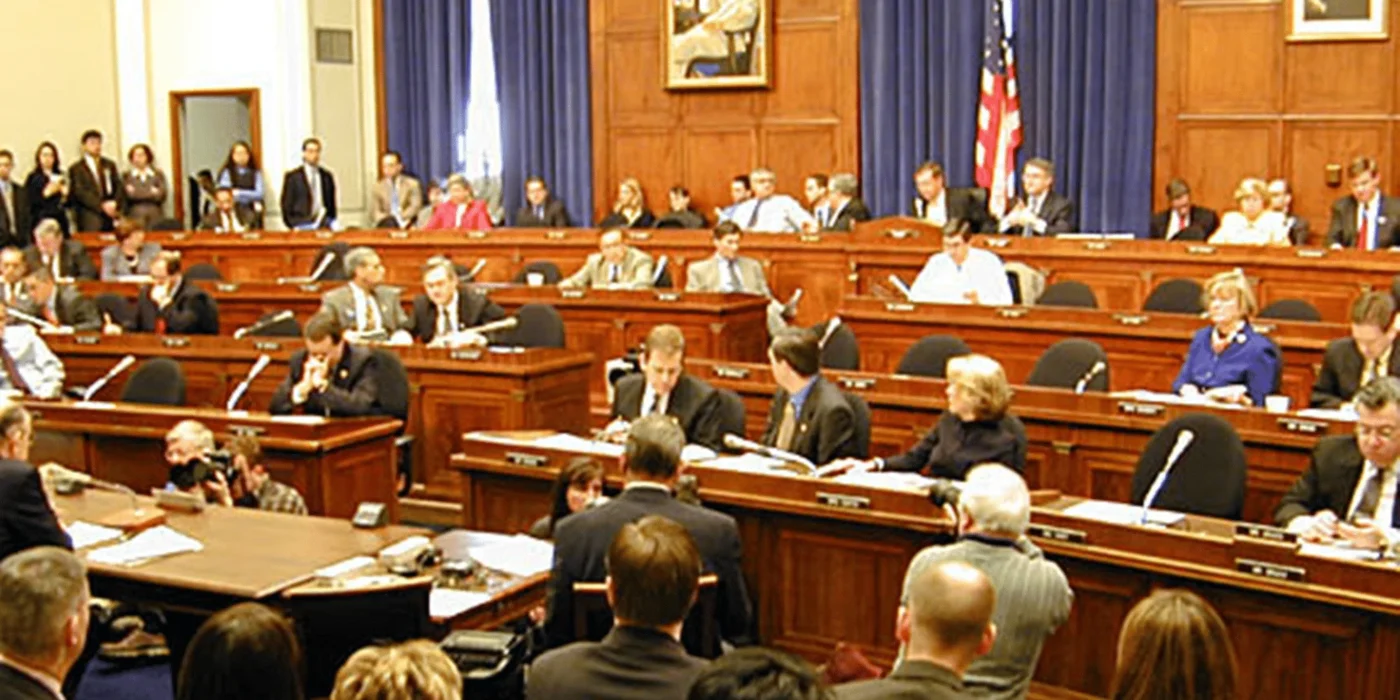
Republican members of the House are pursuing amendments to incorporate Prediction Market restrictions into pending legislation aimed at curbing congressional stock transactions. This initiative would specifically address wagering on electoral contests and governmental policy decisions, while potentially exempting other categories of betting contracts. The development intensifies regulatory focus on services including Polymarket and Kalshi as legislative bodies examine potential conflicts of interest.
Chairman Steil Proposes Amendment to Trading Legislation
Bryan Steil, who chairs the House Administration Committee, intends to incorporate additional provisions into H.R. 7008 prior to chamber consideration. The underlying legislation currently addresses financial transactions involving publicly traded securities by congressional members, their spouses, and dependent children. The measure mandates advance public disclosure before divesting holdings and establishes enforcement mechanisms for noncompliance.
The anticipated Polymarket provisions would not constitute a comprehensive prohibition on legislative participation in forecasting platforms. Rather, the framework would specifically target agreements related to electoral outcomes, administrative decisions, and legislative results. Contracts involving athletic competitions or cultural events would reportedly fall outside the proposed restrictions according to Steil’s outlined framework.
The chairman contends that existing ethical guidelines fail to adequately address congressional engagement with prediction-based trading platforms. This perspective mirrors broader apprehension that elected representatives might place financial stakes on matters within their sphere of influence. The amendment therefore connects forecasting agreements to identical ethical considerations underlying securities trading prohibitions.
Platform Operations Draw Congressional Investigation
Legislative attention has intensified following revelations about Polymarket’s promotional activities and political wagering operations. Recent reporting disclosed financial arrangements involving the platform’s senior marketing executive and subsequent content dissemination by multiple digital influencers. Certain promotional materials allegedly failed to transparently indicate commercial relationships.
The Prediction Market platform gained significant visibility throughout the 2024 electoral season as participants wagered substantial amounts on Donald Trump’s electoral success. Advocates maintain that forecasting platforms provide valuable real-time indicators of collective expectations. Critics counter that election-focused contracts introduce concerns regarding speculative behavior, transparency requirements, and knowledge asymmetries.

Oversight Committee Chairman James Comer initiated formal inquiries examining both Polymarket and Kalshi operations. Comer referenced an emerging pattern of potential information advantage exploitation within prediction marketplace environments. Legislative members have separately highlighted purported wagers connected to defense operations as presenting national security implications.
Legislative Path Toward Chamber Consideration
H.R. 7008 successfully advanced through committee procedures in February and awaits scheduling for floor consideration. Steil anticipates chamber leadership will calendar the measure during the upcoming summer legislative period. Should the prediction platform provisions be incorporated, the legislation would extend substantially beyond conventional securities transaction limitations.
The upper chamber has previously adopted a measure prohibiting senators from engaging with forecasting platforms. Executive branch personnel reportedly received directives in March prohibiting participation in such marketplaces. The House initiative would therefore harmonize with broader administrative efforts to strengthen conduct standards.
The underlying trading bill would prohibit legislators and immediate family members from acquiring publicly traded equities. It would additionally mandate seven-day advance public notification before disposing of holdings. Incorporating prediction platform restrictions would consequently expand the measure’s ethical infrastructure to encompass emerging political wagering markets.
Get 3 Free Stock Ebooks
Discover top-performing stocks in AI, Crypto, and Technology with expert analysis.
- Top 10 AI Stocks - Leading AI companies
- Top 10 Crypto Stocks - Blockchain leaders
- Top 10 Tech Stocks - Tech giants



