


Key Takeaways
- Oil prices plummeted from over $110 per barrel to approximately $80 following a preliminary U.S.-Iran peace agreement.
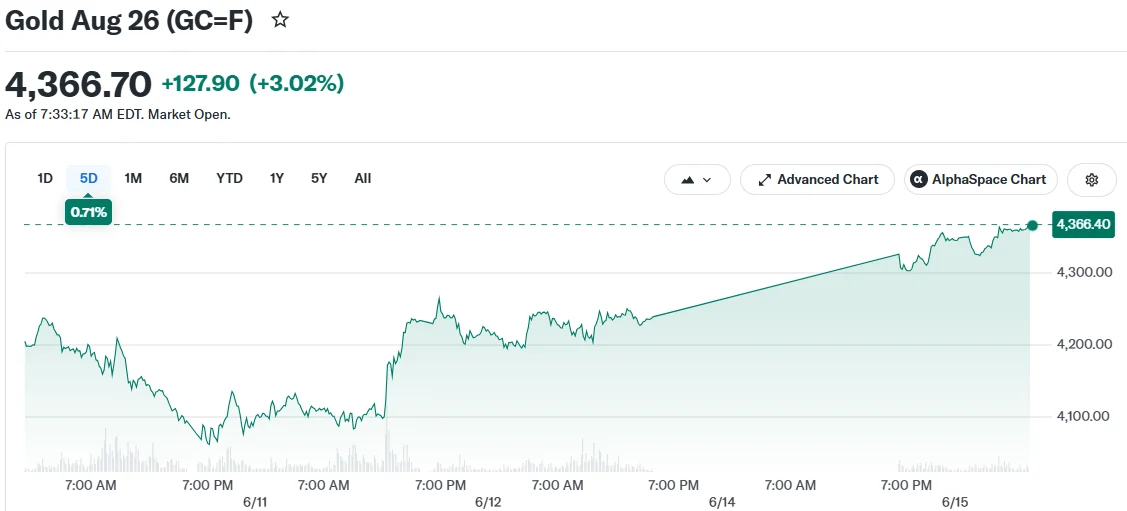
- Spot gold rallied 2.8% to $4,338 per ounce, marking its strongest performance since early June.
- The agreement includes provisions to reopen the strategically vital Strait of Hormuz, shuttered since late February when hostilities commenced.
- The U.S. dollar declined to a 10-day low, providing additional support for precious metals.
- Market expectations for a Federal Reserve rate increase by year-end fell from 69% to 49% amid cooling inflation concerns.
Precious metals rallied sharply Monday following reports that the United States and Iran had reached a preliminary peace agreement, triggering a steep decline in crude oil prices and alleviating concerns about monetary policy tightening.
Crude Markets Tumble as Critical Shipping Channel Prepares to Reopen
Spot gold advanced 2.8% to settle at $4,338.14 per ounce, with futures contracts matching that performance at $4,359.09. The substantial move higher followed confirmation that Washington and Tehran had struck a tentative deal to cease military operations.
The framework agreement, facilitated partly through Pakistani diplomatic channels, is scheduled for formal signing in Switzerland later this week. Iranian officials emphasized that implementation will not commence until the Friday signing ceremony takes place.
President Donald Trump verified that the agreement includes language to restore access through the Strait of Hormuz. This vital maritime corridor handles approximately 20% of global petroleum shipments and has remained closed since fighting erupted in late February.
Brent crude futures, which had surged past $110 per barrel amid the military confrontation, retreated sharply to slightly above $80 following the diplomatic breakthrough.

Greenback Softens, Enhancing Bullion Attractiveness
The precious metal’s advance received additional momentum from weakness in the U.S. currency. The dollar index dropped to its lowest point in 10 trading sessions versus a basket of major currencies.
Throughout the conflict period, the greenback had appreciated as investors sought safety. The peace framework diminished geopolitical uncertainty, encouraging capital flows back toward riskier assets and reversing some of the dollar’s defensive gains.
When the dollar depreciates, it enhances gold’s attractiveness by reducing the cost for international purchasers using alternative currencies.
Britannia Global Markets strategists noted the agreement “weakened the dollar and drove crude substantially lower, establishing a more favorable macroeconomic environment for risk assets throughout the commodities complex.”
The retreat in energy prices simultaneously reduced concerns that monetary authorities might need to implement additional rate increases to combat inflation pressures stemming from elevated energy costs. Gold historically benefits from accommodative monetary policy environments, as the non-yielding asset becomes more competitive against interest-bearing alternatives.
Market participants now assign a 49% probability to a Federal Reserve rate hike by December’s policy meeting, representing a significant decline from the 69% likelihood priced in just seven days earlier, per CME FedWatch Tool calculations.
The Federal Reserve is widely anticipated to maintain its current policy stance when its two-day meeting concludes Wednesday. The gathering will mark Chairman Kevin Warsh’s inaugural Federal Open Market Committee session.
XTB market analyst Kathleen Brooks observed that the peace framework “exerts downward pressure on crude prices and consequently diminishes inflation worries,” noting the significance of the timing given multiple major central bank policy decisions scheduled this week.
Neither Washington nor Tehran has disclosed comprehensive terms of the arrangement beyond information shared through Pakistani intermediaries and Trump’s public statements.
The framework remains unsigned, with Iranian authorities reiterating that no provisions will take effect until the formal signing ceremony occurs in Switzerland on Friday.
Get 3 Free Stock Ebooks
Discover top-performing stocks in AI, Crypto, and Technology with expert analysis.
- Top 10 AI Stocks - Leading AI companies
- Top 10 Crypto Stocks - Blockchain leaders
- Top 10 Tech Stocks - Tech giants



