


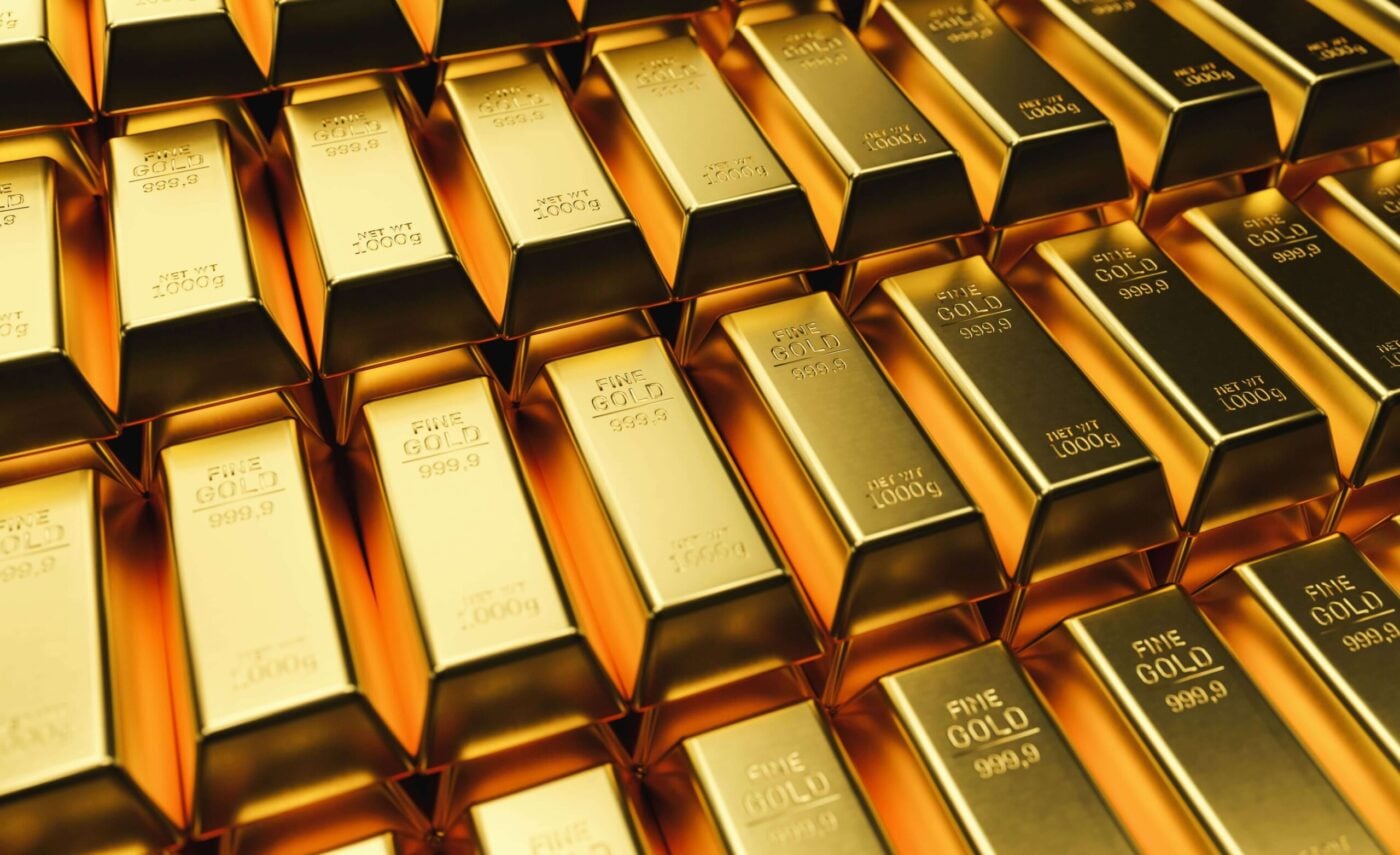
Key Highlights
- The price of gold futures plummeted more than 7% to $4,558 per ounce Thursday, with silver declining over 9%.
- Interest rates remained unchanged at 3.5%–3.75% as the Federal Reserve indicated a reduction in planned rate cuts amid inflation worries.
- Energy infrastructure across the Middle East came under Iranian attack following Israel’s strike on the South Pars gas field.
- Shares of major mining companies such as Freeport-McMoRan, Newmont, and Royal Gold declined in premarket trading.
- Market expectations now point to September as the earliest possible timeframe for Fed rate reductions, strengthening the dollar and weighing on gold.
The precious metal experienced one of its most dramatic single-session declines in recent history Thursday, as market participants balanced concerns about extended elevated interest rates with an intensifying military confrontation between Israel and Iran.
BREAKING: Spot gold extends its selloff to -$400/oz on the day, now trading at $4,500/oz for the first time since February 2nd. pic.twitter.com/ARqkGaABpz
— The Kobeissi Letter (@KobeissiLetter) March 19, 2026
In early Thursday trading, continuous gold futures tumbled over 7%, shedding $289 to reach $4,558 per ounce. Meanwhile, spot gold decreased 4.3% to $4,609.02 an ounce as of 8:36 AM Eastern Time. Silver futures experienced a 9.3% decline, while spot silver plunged 11% to $67.17 per ounce.
The sharp selloff sent gold prices significantly beneath the $5,000-per-ounce threshold that had been maintained for approximately one month.
Federal Reserve Maintains Current Rate Policy, Projects Reduced Cuts
During Wednesday’s policy announcement, the Federal Reserve maintained its current interest rate position within the 3.5%–3.75% band. Chairman Jerome Powell highlighted increasing inflationary pressures and indicated expectations for “a meaningful amount of movement toward fewer cuts.”
Wednesday’s release of robust U.S. producer inflation figures intensified the pressure. Market participants responded by adjusting their rate cut expectations to September or later, based on CME FedWatch analysis.
As Gold generates no yield, it typically becomes less attractive during periods of sustained high interest rates. During such times, investors frequently pivot toward assets that produce interest income.

“The timeline for Fed rate reductions has been extended into the future,” stated Adrian Ash, a BullionVault researcher. “From a mechanical perspective, this creates headwinds for gold.”
While Ash characterized the current situation as a critical “test” for the precious metal, he refrained from declaring this as a definitive price floor.
Iranian Attacks Disrupt Energy Markets
The decline in gold prices occurred simultaneously with a substantial surge in crude oil values. Brent crude futures advanced 6.3% following overnight Iranian strikes against critical energy infrastructure throughout the Middle East.
Tensions intensified Wednesday when Israeli forces targeted South Pars, recognized as the planet’s most extensive gas field. Iran retaliated with strikes on numerous regional energy facilities while maintaining attacks on Israeli targets.
The Strait of Hormuz, a vital conduit for international oil and gas shipments, has been essentially shut down, creating additional upward momentum for energy commodity prices.
Elevated oil prices are widely interpreted as inflationary catalysts, which diminishes prospects for imminent Federal Reserve rate reductions.
In a research note, OCBC analysts observed: “The market is effectively trading less on geopolitical hedging demand and more on the worries of higher inflation risks delaying Fed cut trajectory.”
They further noted that safe-haven inflows into gold are “being offset by the drag from rising real yields.”
Equity values for precious metal mining operations also weakened during premarket sessions. Freeport-McMoRan declined 4.4%, Newmont retreated 7.6%, and Royal Gold decreased 4.6%.
The U.S. dollar gained strength driven by the prolonged elevated rate environment, creating additional obstacles for gold, which is denominated in dollars.
According to CME FedWatch data, traders are now anticipating no interest rate reductions until September at the earliest, representing a delay from prior expectations.
Get 3 Free Stock Ebooks
Discover top-performing stocks in AI, Crypto, and Technology with expert analysis.
- Top 10 AI Stocks - Leading AI companies
- Top 10 Crypto Stocks - Blockchain leaders
- Top 10 Tech Stocks - Tech giants



