


Key Highlights
- Asset management giant Franklin Templeton has finalized its purchase of 250 Digital, a cryptocurrency firm that emerged from CoinFund in early 2026
- The transaction resulted in the establishment of Franklin Crypto, a new institutional-focused division under Christopher Perkins and Seth Ginns
- A portion of the purchase price was settled with BENJI tokens — digital representations of Franklin Templeton’s U.S. Government Money Fund
- The firm’s tokenized holdings have surged from $768 million to more than $2.5 billion over the last twelve months
- The new unit will focus on serving pension funds, sovereign wealth entities, and major institutional investors
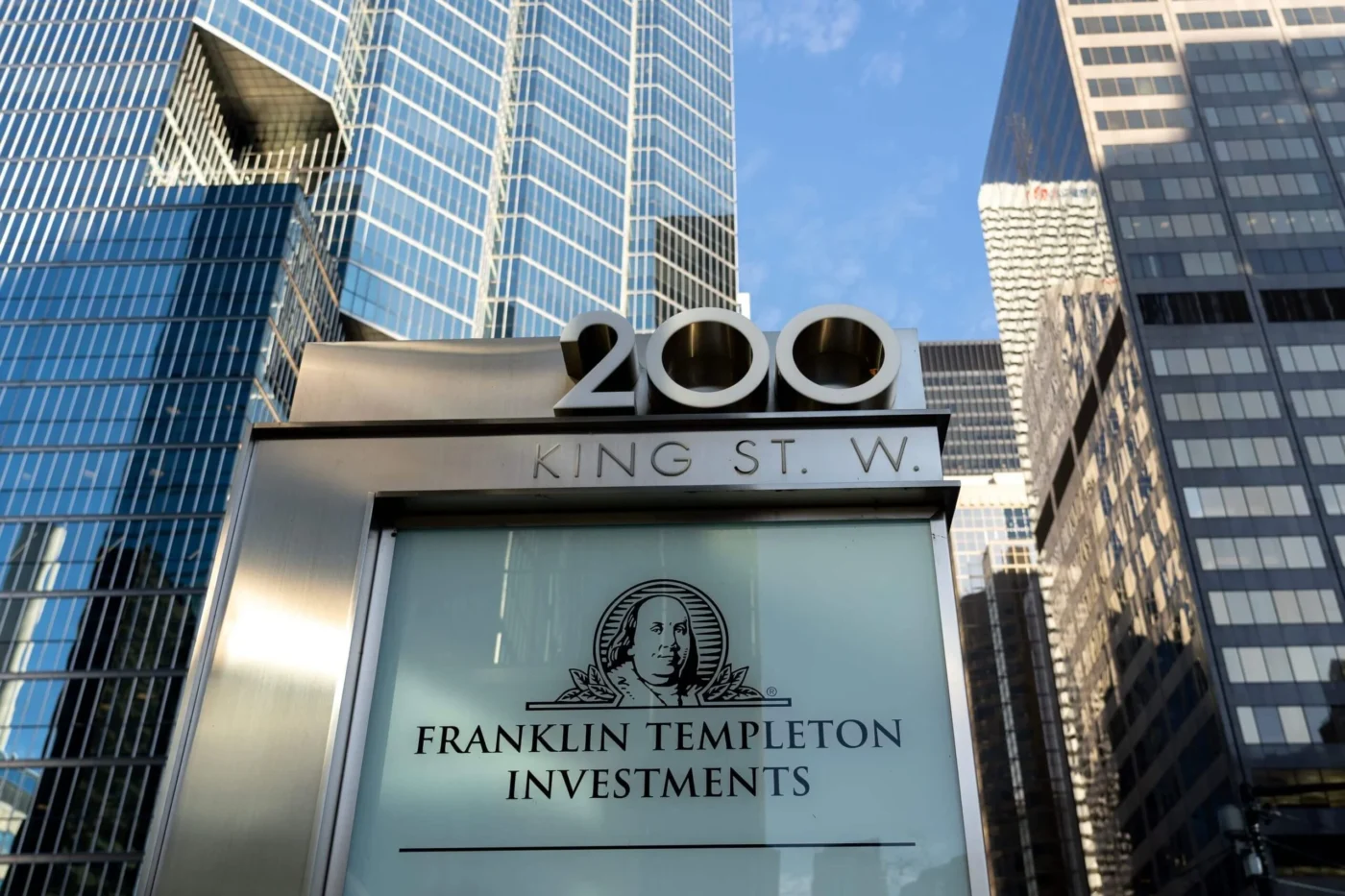
Franklin Templeton has successfully finalized its purchase of 250 Digital, establishing a dedicated business division named Franklin Crypto in what represents a significant strategic expansion by a traditional asset manager into institutional digital asset management.
The acquisition was initially revealed in April 2026. 250 Digital originated at the beginning of 2026 when CoinFund restructured its operations, spinning off its liquid cryptocurrency investment strategies into an independent entity while maintaining its venture capital focus.
Christopher Perkins, who served as 250 Digital’s leader, will assume control of Franklin Crypto. Seth Ginns continues in his role as chief investment officer within the newly formed division. Both executives built their experience at CoinFund prior to the separation.
Franklin Templeton has not revealed complete financial details of the transaction. Notably, however, a portion of the payment was executed using BENJI tokens — blockchain-based shares of its Franklin OnChain U.S. Government Money Fund.
This transaction represents a pioneering instance of a significant financial services merger being partially completed with tokenized investment fund shares instead of conventional cash or equity instruments.
Strategic Focus of Franklin Crypto
The newly established division targets institutional capital including pension systems, sovereign wealth organizations, and significant asset management entities. It will deliver actively managed digital asset strategies spanning liquid cryptocurrency markets, venture capital exposure, and structured financial products connected to blockchain technology.

Franklin Templeton stated the division merges the specialized investment expertise of the 250 Digital professionals with the company’s extensive global distribution infrastructure, which reaches over 35 countries worldwide.
The organization oversees approximately $1.78 trillion in total assets under management.
Expanding Digital Asset Strategy at Franklin Templeton
Franklin Crypto represents the most recent initiative in the company’s accelerating commitment to blockchain technology. This past February, Franklin Templeton established a collaboration with Binance enabling institutional clients to utilize tokenized money market fund shares as trading collateral for cryptocurrency positions.
In March, the organization joined forces with Ondo Finance to introduce tokenized exchange-traded funds available on blockchain platforms.
Just last week, the firm submitted regulatory filings for two ETFs designed to redirect equity dividend payments into Bitcoin-related investments, establishing a novel hybrid product bridging traditional equities and digital currencies.
Franklin Templeton’s tokenized investment products have expanded dramatically from approximately $768 million in June 2025 to surpass $2.5 billion currently, based on RWA.xyz tracking data.
The overall tokenized asset sector has experienced similar expansion, climbing from roughly $11.8 billion to $32.2 billion during the same timeframe.
Franklin Templeton CEO Jenny Johnson has publicly commented that blockchain technology challenges traditional Wall Street fee models. The company submitted its Bitcoin ETF application years ahead of widespread institutional adoption.
The 250 Digital transaction provides Franklin Templeton with an independent crypto management team and specialized investment infrastructure, moving beyond simply incorporating digital assets into conventional fund offerings.
Get 3 Free Stock Ebooks
Discover top-performing stocks in AI, Crypto, and Technology with expert analysis.
- Top 10 AI Stocks - Leading AI companies
- Top 10 Crypto Stocks - Blockchain leaders
- Top 10 Tech Stocks - Tech giants



