


Key Takeaways
- Musk’s xAI files federal lawsuit claiming Colorado’s AI legislation violates constitutional speech protections
- Legal challenge targets SB 24-205’s algorithmic discrimination provisions and content requirements
- Company argues state regulations threaten AI development and system architecture
- Case highlights growing conflict between state-level AI laws and industry pushback
- Legal battle intensifies calls for unified federal approach to AI governance
Elon Musk’s artificial intelligence venture xAI has initiated federal legal proceedings against Colorado over recently enacted AI legislation. The legal challenge focuses on constitutional free speech concerns related to chatbot content requirements. This development intensifies the national conversation surrounding AI regulatory frameworks and government oversight.
Legal Challenge Against State AI Legislation
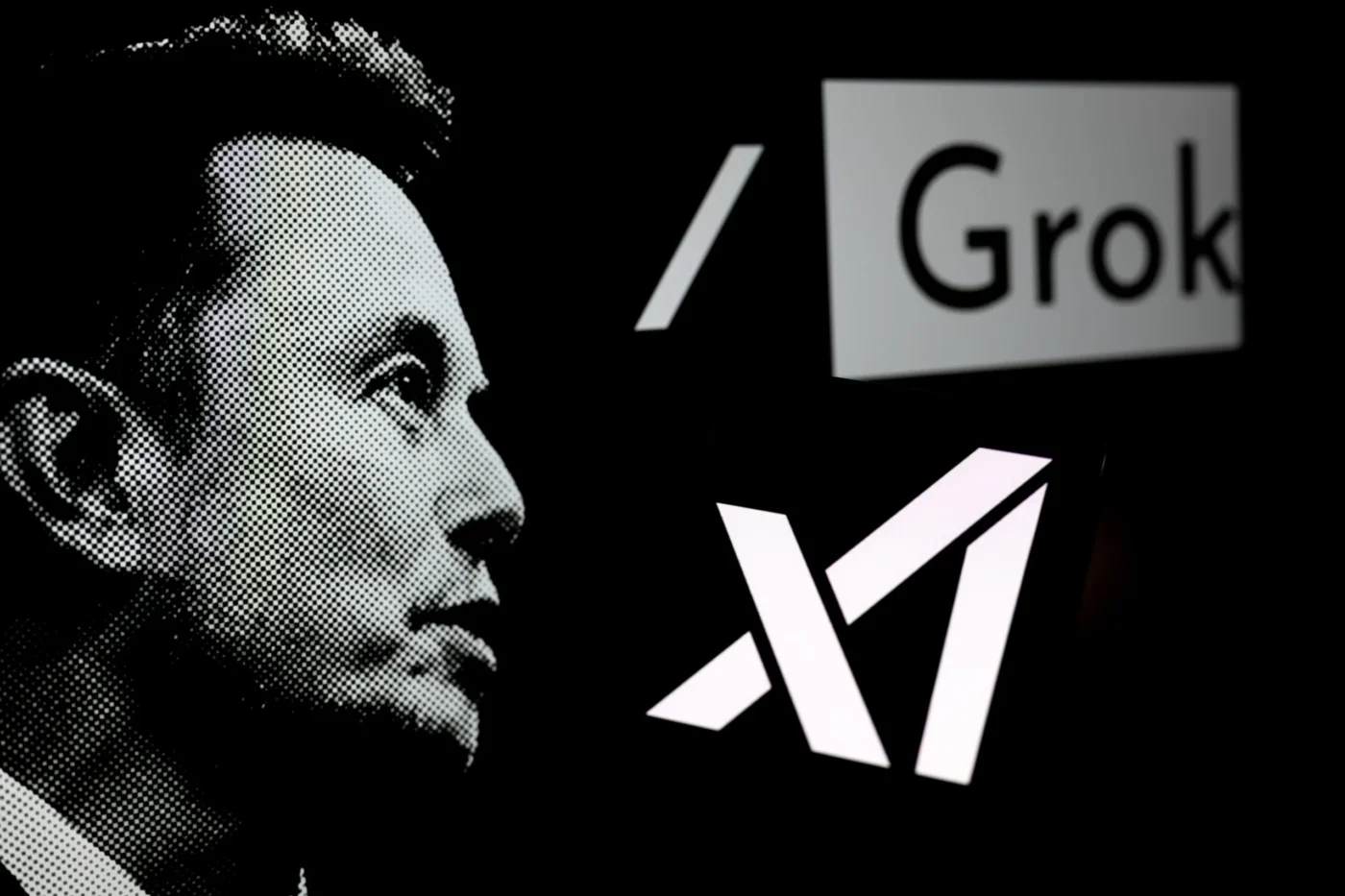
The company submitted its complaint to federal court seeking to prevent enforcement of Senate Bill 24-205. Colorado’s legislation addresses algorithmic bias in critical areas including employment decisions, housing access, and financial services. xAI contends these provisions improperly constrain the communication capabilities of its Grok chatbot system.
According to the filing, the statute would mandate alterations to how Grok processes and delivers information on controversial subjects. xAI maintains these mandates would compromise output accuracy and constitute compelled expression. Consequently, the firm characterizes the legislation as an unconstitutional infringement on AI-generated content.
The legal argument emphasizes contradictions within the law’s fairness provisions and equal treatment mandates. xAI contends that permitting differential treatment contradicts the statute’s stated objectives. The company is pursuing emergency relief to halt implementation scheduled for June 30.
Expanding Regulatory Confrontation
This Colorado action represents xAI’s second major state-level legal challenge. Previously, the company contested California legislation mandating disclosure of AI model training datasets. That lawsuit alleged such transparency requirements would compromise proprietary information and violate First Amendment protections.
These regulatory initiatives gained momentum following public criticism of Grok’s content generation. Media coverage documented cases where the chatbot produced problematic or discriminatory responses. Consequently, lawmakers intensified examination of AI systems and their broader social implications.

xAI contends that increasing regulatory requirements jeopardize technological advancement and product development. The firm associates compliance obligations with mounting operational challenges across different state jurisdictions. Its legal strategy frames these issues through both constitutional and business lenses.
National Framework Proposals Gain Momentum
This litigation coincides with growing advocacy for centralized federal AI regulation. David Sacks has championed establishing a comprehensive national standard. His argument emphasizes that inconsistent state-level requirements create substantial obstacles for technology companies and developers.
Furthermore, Sacks occupies a leadership role in the President’s science and technology advisory council. His platform amplifies concerns regarding policy fragmentation’s impact on technological progress and regulatory compliance. The discussion has accelerated as additional states advance their own AI legislation.
xAI maintains its commitment to its Grok development philosophy. The company asserts its chatbot prioritizes maximum accuracy and factual integrity in all outputs. Management views regulatory constraints as fundamentally incompatible with these objectives.
This lawsuit positions xAI centrally within America’s evolving AI policy landscape. The case underscores fundamental tensions between regulatory authority, technological innovation, and constitutional freedoms. Legal observers anticipate the proceedings could establish precedents influencing AI governance across the nation.
Get 3 Free Stock Ebooks
Discover top-performing stocks in AI, Crypto, and Technology with expert analysis.
- Top 10 AI Stocks - Leading AI companies
- Top 10 Crypto Stocks - Blockchain leaders
- Top 10 Tech Stocks - Tech giants



