


Key Takeaways
- Elon Musk’s legal challenge against OpenAI collapsed after a California jury determined his claims were filed beyond the applicable time limit.
- The billionaire entrepreneur alleged OpenAI transformed from a charitable organization into a profit-seeking enterprise improperly.
- OpenAI is now free from potential damages that could have reached $134 billion according to analyst estimates.
- Following Monday’s ruling, Tesla stock declined 3% while Microsoft shares experienced modest gains.
- Despite Musk’s intention to challenge the decision, legal scholars assert the litigation has effectively concluded.
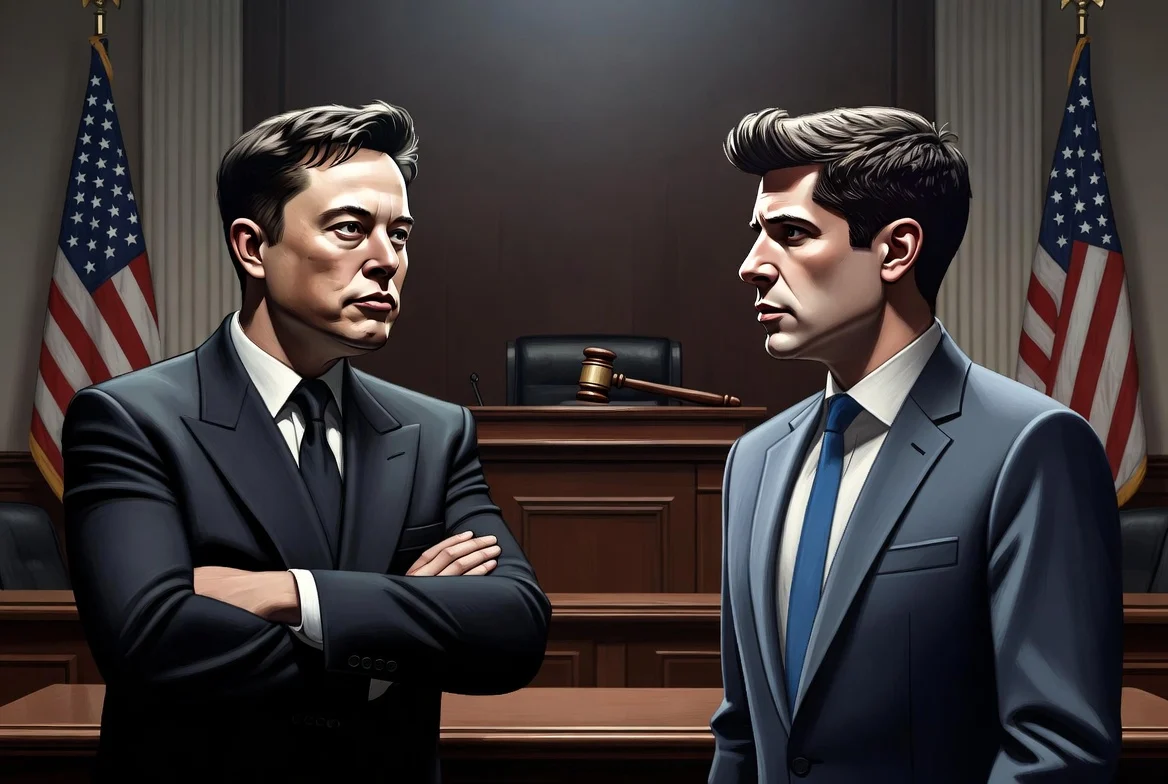
A California jury delivered a decisive blow to Elon Musk’s legal efforts against OpenAI and its leadership, including co-founders Sam Altman and Greg Brockman. The Monday ruling dismissed Musk’s case after determining his legal action exceeded the statute of limitations deadline.
The proceedings spanned three weeks at the US District Court for the Northern District of California in Oakland, where Judge Yvonne Gonzalez Rogers validated the jury’s decision.
Musk’s central accusation targeted OpenAI‘s transformation from nonprofit status to a profit-generating structure, claiming Altman and Brockman personally benefited inappropriately. His position rested on the assertion that his financial contributions were made with the explicit expectation the organization would maintain its nonprofit mission.
The artificial intelligence company launched in 2015 with Musk, Altman, and additional co-founders. Musk’s departure came in 2018, years ahead of the company’s restructuring.
Inside the Courtroom Drama
Throughout the proceedings, Musk’s legal representative Steven Molo attempted to undermine Altman’s credibility. He highlighted the 2023 incident when OpenAI’s board temporarily ousted Altman, citing concerns about his transparency. The CEO returned to his position within days.
“Sam Altman’s credibility is directly at issue in this case,” Molo argued before jurors. “If you cannot trust him, if you don’t believe him, they cannot win.”
OpenAI’s defense countered by presenting testimony from numerous witnesses who confirmed Musk attached no nonprofit requirement to his financial contributions. The defense emphasized the timing issue, arguing the lawsuit arrived far too late.

Taking to X, Musk declared his intention to pursue an appeal. “There is no question to anyone following the case in detail that Altman and Brockman did in fact enrich themselves by stealing a charity,” he stated. “The only question is WHEN they did it.”
Carl Tobias, who teaches law at the University of Richmond, expressed skepticism about appeal prospects to Barron’s. “I think the case is pretty much over,” he explained. “It’s all fact specific, so I don’t think there’s any legal question there.”
Financial Implications for OpenAI and Market Players
The judgment represents a significant victory for OpenAI and its financial supporters. According to Wedbush analyst Dan Ives, the decision eliminates approximately $134 billion in potential liability stemming from Musk’s damage calculations.
Microsoft, having committed over $10 billion to OpenAI, stands among the primary beneficiaries. The tech giant’s stock traded at $423.33 Monday, showing slight upward movement. Other substantial investors include Amazon, SoftBank, and Nvidia, with OpenAI’s current valuation hovering near $1 trillion.
Amazon revealed plans in February for a $50 billion multi-year commitment to OpenAI. The AI powerhouse is accelerating preparations for a public offering, positioning itself as a potential marquee IPO candidate for 2026.
Tesla stock retreated 3% Monday in the wake of the verdict.
The litigation may ultimately be remembered not for its legal conclusions but for exposing a bitter dispute between former partners. “When billionaires break up it can be expensive and nasty,” Tobias observed.
Get 3 Free Stock Ebooks
Discover top-performing stocks in AI, Crypto, and Technology with expert analysis.
- Top 10 AI Stocks - Leading AI companies
- Top 10 Crypto Stocks - Blockchain leaders
- Top 10 Tech Stocks - Tech giants



