


Key Takeaways
- Greg Brockman testified Elon Musk sought majority ownership and leadership of OpenAI during a 2017 confrontation
- According to Brockman, Musk explicitly connected his OpenAI demands to raising $80 billion for Mars colonization
- The OpenAI president told jurors he believed Musk might physically assault him when his equity proposal was rejected
- Following the dispute, Musk departed the meeting and threatened to cut off financial support
- OpenAI explores potential $1 trillion public offering for 2026; SpaceX targets June IPO
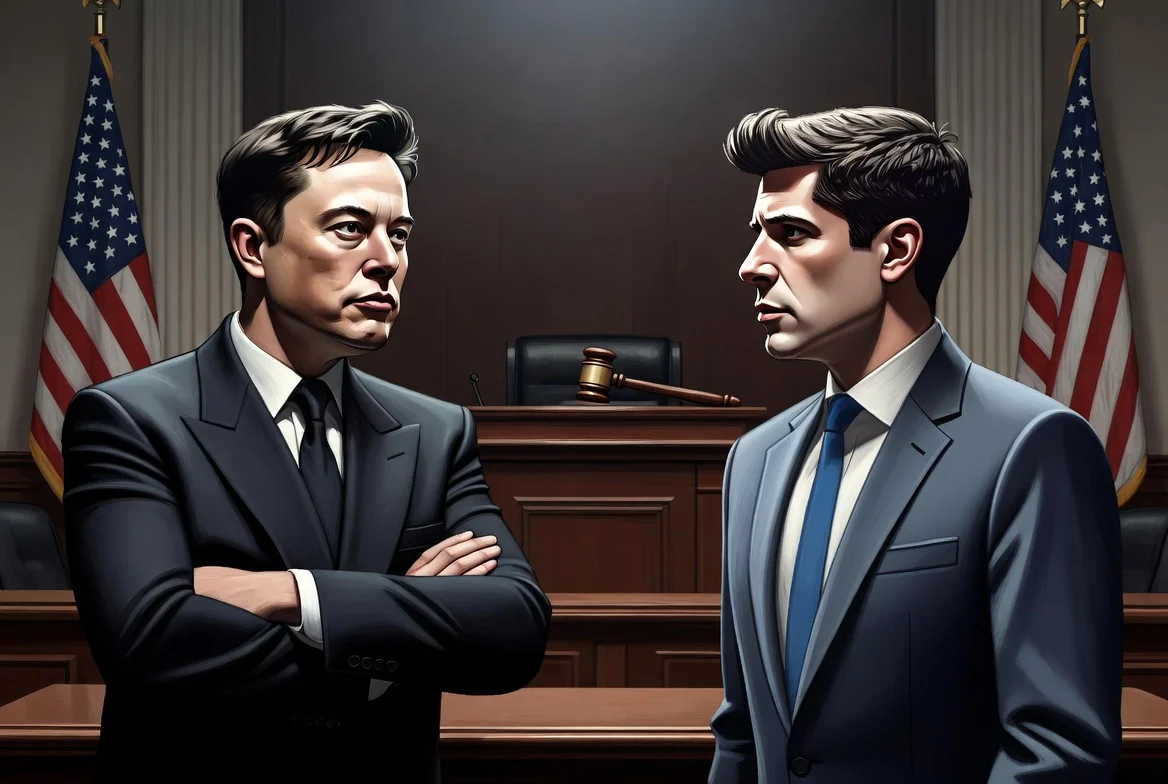
In one of the most revealing moments of the legal clash between Elon Musk and OpenAI, company president and co-founder Greg Brockman delivered striking testimony this week from a federal courtroom in Oakland, California.
During his appearance on the witness stand, Brockman described a volatile August 2017 encounter where Musk insisted his successful business history entitled him to majority ownership in OpenAI. According to Brockman’s account, Musk also expressed his intention to assume leadership of the organization, with Sam Altman representing the only alternative candidate under discussion.
The atmosphere shifted dramatically when participants proposed an ownership arrangement that Musk rejected. Brockman recounted to jurors: “I actually thought he was going to hit me.” Musk responded with “I decline” before abruptly exiting the room.
Following his departure, Musk indicated he would withhold further financial contributions to OpenAI until his demands were addressed. Since the organization’s 2015 establishment, Musk had served as a principal donor.
Brockman’s testimony revealed that during the same period, Musk advocated for transforming OpenAI into a for-profit entity. Musk justified this restructuring by arguing that nonprofit status would prevent the organization from securing the massive capital necessary for advanced artificial intelligence development.
Connecting OpenAI to Mars Ambitions
Perhaps the most dramatic revelation emerged when Brockman connected Musk’s control demands to his interplanetary goals. Brockman testified that Musk explicitly stated his need for approximately $80 billion to establish a Martian settlement and viewed OpenAI ownership as a mechanism to generate those funds.
This account aligns with documented SpaceX governance decisions from January 2026, when the board authorized granting Musk 200 million super-voting shares contingent on SpaceX achieving a $7.5 trillion valuation and successfully establishing a Mars colony housing no fewer than one million residents.

Musk departed from OpenAI’s board in February 2018, years before the organization released ChatGPT and achieved its current status as a leading technology enterprise.
OpenAI contends that Musk’s legal action stems partially from resentment over forfeiting participation in the company’s extraordinary growth. The organization further argues the litigation serves to advance his competing artificial intelligence venture, xAI, which completed a merger with SpaceX in February 2026.
Future Developments for OpenAI and SpaceX
Following Brockman’s testimony, former OpenAI board member Shivon Zilis is anticipated to take the stand. Zilis, who shares four children with Musk, resigned from the board in March 2023 coinciding with xAI’s launch.
OpenAI has initiated preliminary discussions with major investment banks regarding a potential $1 trillion public offering, with a possible late 2026 timeframe. Competing AI developer Anthropic has announced similar public market intentions.
SpaceX has submitted confidential registration documents with United States securities regulators and plans to complete its public debut in June 2026.
Get 3 Free Stock Ebooks
Discover top-performing stocks in AI, Crypto, and Technology with expert analysis.
- Top 10 AI Stocks - Leading AI companies
- Top 10 Crypto Stocks - Blockchain leaders
- Top 10 Tech Stocks - Tech giants



