


Key Points
- Nemesio “El Mencho” Oseguera Cervantes, leader of the Jalisco New Generation Cartel, died Sunday following a military assault in Jalisco.
- Intelligence from a confidante of one of his romantic partners led security forces to his location in Tapalpa.
- The operation and subsequent cartel violence resulted in 73 deaths spanning 20 Mexican states.
- Mexican authorities mobilized approximately 9,500 military personnel to counter widespread cartel reprisals.
- By Monday evening, President Sheinbaum announced the removal of over 250 roadblocks and declared stability restored.
Nemesio “El Mencho” Oseguera Cervantes, commander of the notorious Jalisco New Generation Cartel (CJNG), lost his life Sunday during a targeted military assault conducted in Mexico’s western Jalisco region.
As one of the hemisphere’s most hunted fugitives, El Mencho had a $15 million US State Department bounty on his head—among the highest rewards ever offered for a criminal suspect.
According to Defence Secretary Ricardo Trevilla, authorities traced the cartel boss after surveillance teams followed one of his romantic companions to a remote location in Tapalpa. Intelligence provided by someone close to the woman enabled rapid deployment of the strike force.
When Mexican forces initiated the assault, CJNG fighters responded with heavy gunfire. The confrontation eventually concentrated at a cabin compound situated in a forested region, where El Mencho sustained critical injuries along with two personal security guards.
Military helicopters evacuated all three men toward the capital. General Trevilla later verified that none survived the flight.
Eight additional cartel operatives perished during the raid. Authorities confiscated grenades, large ammunition stockpiles, armored vehicles, and multiple rocket launchers from the compound.

The CJNG ranks among Mexico’s most violent criminal syndicates. The organization controls massive flows of fentanyl, methamphetamine, and cocaine into American territory, prompting the Trump administration to classify it as a foreign terrorist organization in February 2025.
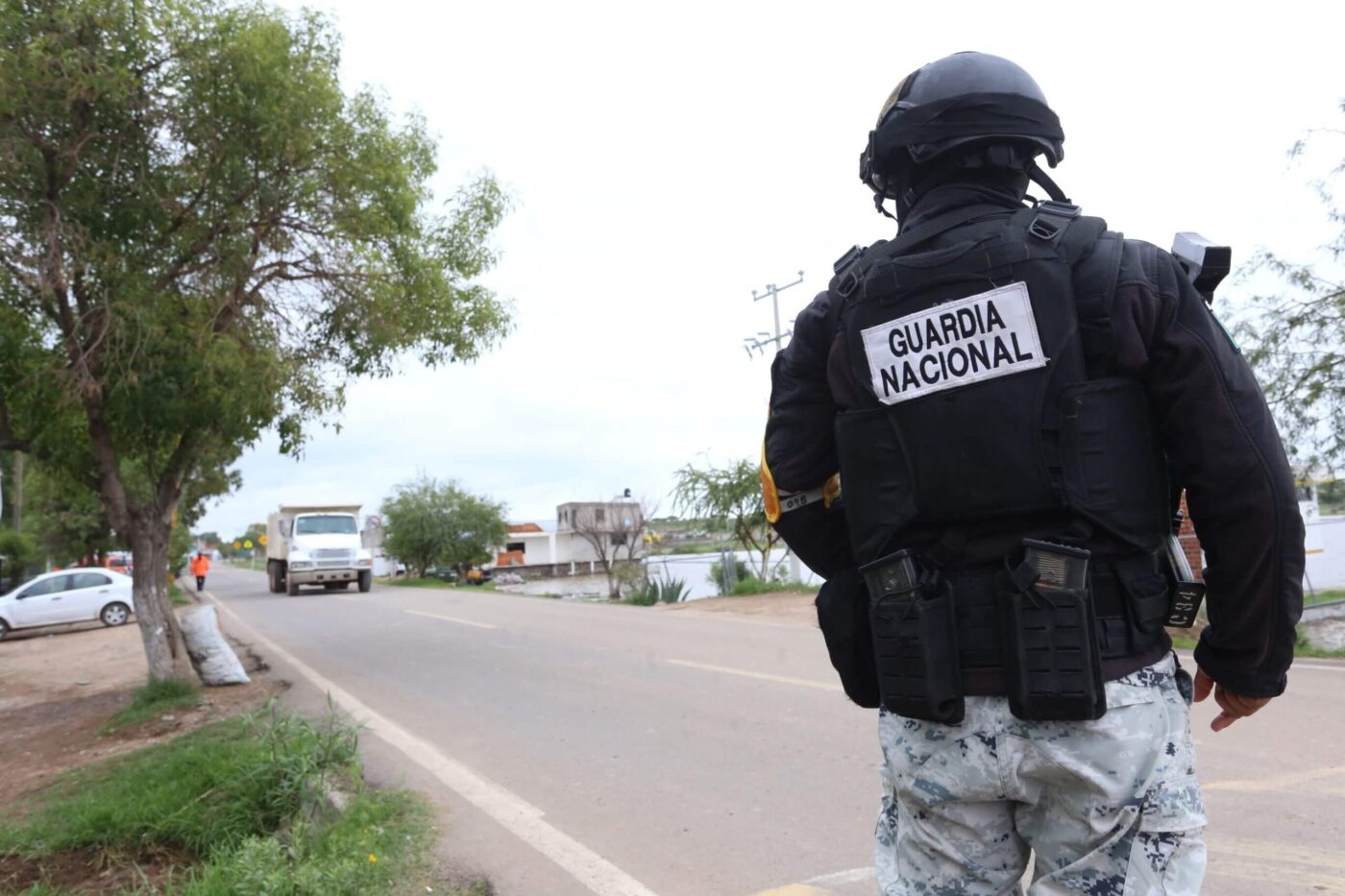
Word of El Mencho’s elimination triggered immediate revenge attacks throughout at least 20 Mexican states. Cartel members erected roadblocks using spikes and nails, hijacked public buses and private vehicles, then torched them on major thoroughfares.
In Jalisco alone, six separate ambushes claimed the lives of at least 25 National Guard personnel. The violence also killed one prison officer, an agent from the state prosecutor’s office, and 30 suspected cartel affiliates.
Military Mobilization Across the Nation
Mexican authorities activated roughly 9,500 military personnel in response, including 2,500 additional soldiers dispatched to western regions on Monday. Law enforcement reported at least 70 arrests across seven states.
Security Minister Omar Garcia Harfuch stated officials were “maintaining close surveillance for any indication of reorganization within the cartel that might precipitate additional violence.”
International Travelers Trapped by Violence
Footage verified by BBC Verify captured tourists observing from hotel swimming pools as military helicopters circled overhead and smoke columns rose above Puerto Vallarta. Multiple carriers suspended air service to the resort destination.
The US State Department advised American citizens in affected zones to remain indoors. Its emergency response line fielded hundreds of incoming calls.
By Monday afternoon, President Claudia Sheinbaum announced the dismantling of more than 250 roadblocks established across 20 states. She commended the armed forces and characterized Mexico as returning to “peace” and “tranquility.”
White House officials acknowledged providing intelligence assistance for the operation and commended Mexican military forces for successfully eliminating El Mencho.
Combined casualties from the operation and ensuing violence totaled at least 73 individuals, encompassing military personnel, suspected cartel combatants, and civilians.
Get 3 Free Stock Ebooks
Discover top-performing stocks in AI, Crypto, and Technology with expert analysis.
- Top 10 AI Stocks - Leading AI companies
- Top 10 Crypto Stocks - Blockchain leaders
- Top 10 Tech Stocks - Tech giants



