


Key Highlights
- DoorDash implements stablecoin settlements to accelerate payouts in 40+ markets
- Tempo provides blockchain infrastructure for DoorDash’s payment modernization
- Merchant settlements prioritized initially, contractor payments planned for expansion
- Stripe integrates with Tempo network amid rising stablecoin utilization
- DASH stock declines 1.13% while company deploys crypto payment infrastructure
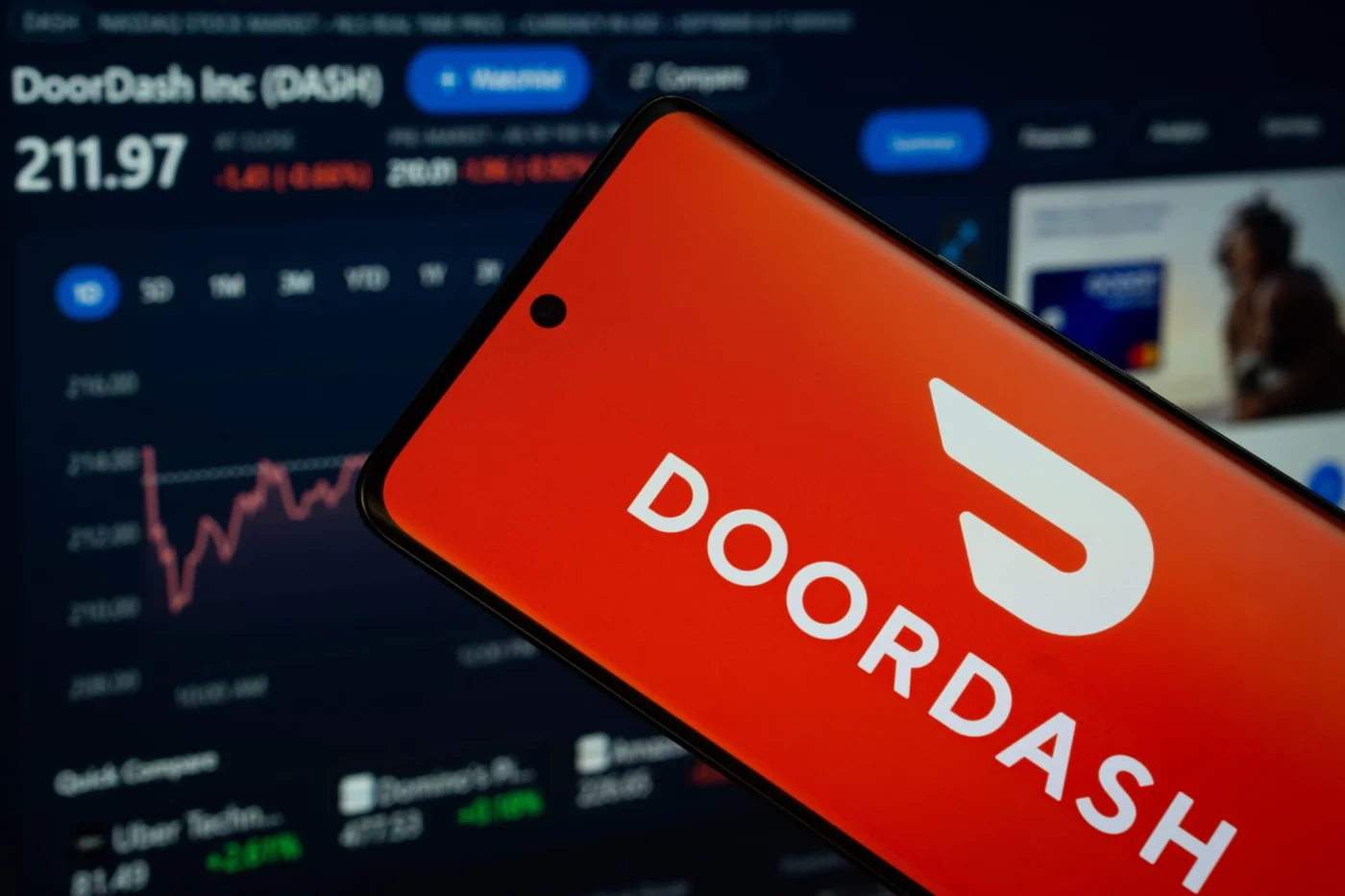
DoorDash is revolutionizing its payment operations by deploying stablecoin-based settlement capabilities via a strategic partnership with Tempo. The initiative seeks to deliver accelerated transaction speeds and reduced operational expenses for international payouts. This development comes as DoorDash shares trade at $187.65, experiencing a 1.13% decline amid modest selling activity during the trading session.
DoorDash Deploys Blockchain Payment Layer Across International Operations
The food delivery platform has entered into a strategic alliance with Tempo to launch cryptocurrency-backed payment processing throughout its worldwide network. This transformation prioritizes enhanced settlement performance for restaurant partners and independent contractors. The objective centers on eliminating bottlenecks and inefficiencies inherent in conventional banking infrastructure.
DoorDash manages a complex three-way marketplace ecosystem linking customers, restaurant operators, and delivery personnel spanning over four dozen nations. Yet, distinct obstacles emerge across territories regarding currency exchanges, regulatory compliance, and payment processing durations. Accordingly, stablecoins provide a standardized payment framework that streamlines international monetary transfers.
The deployment strategy prioritizes merchant settlements initially, where enhanced velocity and cost reduction generate direct operational benefits. Eventually, the platform could expand coverage to include gig worker compensation, boosting financial accessibility for Dashers worldwide. This transformation represents a meaningful transition toward distributed ledger technology within high-volume commerce ecosystems.
Stablecoins Emerge as Practical Infrastructure for Commercial Transactions
Digital currencies pegged to fiat values are maturing from speculative assets into practical payment mechanisms throughout international commerce. Research across various industry sources indicates more than $300 billion in outstanding supply facilitates business operations, corporate treasury management, and transaction settlements. Accordingly, corporate entities increasingly recognize stablecoins as dependable monetary infrastructure.
Tempo establishes itself as a specialized blockchain designed specifically for payment processing, delivering sub-second transaction confirmation and consistent fee structures. The platform additionally enables capabilities including dedicated block capacity and customizable payment logic. This architecture allows organizations to execute sophisticated transactions with enhanced performance and auditability.

Payment processor Stripe has incorporated Tempo into its comprehensive stablecoin payment infrastructure spanning over 100 nations. Additional financial institutions, including Coastal Bank and ARQ, have similarly embraced the network for territorial payment activities. This momentum demonstrates continued expansion throughout financial technology and traditional banking sectors.
Solving Challenges in Complex Multi-Stakeholder Payment Systems
DoorDash confronts operational complexity stemming from its multi-stakeholder transaction architecture involving customers, merchants, and gig workers. Individual transactions demand synchronized payment allocation, frequently spanning various currencies and jurisdictional frameworks. These requirements generate inefficiencies within legacy financial systems.
Blockchain-based settlement infrastructure minimizes dependence on financial intermediaries while facilitating immediate cross-border transaction completion. This advancement enhances disbursement velocity and decreases expenses associated with currency conversion and transaction processing. Additionally, programmable transaction logic enables refunds, order modifications, and conflict resolution with increased adaptability.
DoorDash chose Tempo based on its institutional-grade functionality and payment-centric design philosophy. The blockchain infrastructure accommodates substantial transaction volumes and established financial communication protocols including ISO 20022 standards. This strategic alignment supports the organization’s vision to transform international payment capabilities.
The partnership exemplifies an emerging pattern of incorporating blockchain technology into operational financial frameworks. Stablecoin implementation continues progressing notwithstanding persistent regulatory ambiguity across principal jurisdictions. DoorDash thus establishes an early-mover position in developing scalable, cryptocurrency-enabled payment infrastructure for worldwide commerce platforms.
Get 3 Free Stock Ebooks
Discover top-performing stocks in AI, Crypto, and Technology with expert analysis.
- Top 10 AI Stocks - Leading AI companies
- Top 10 Crypto Stocks - Blockchain leaders
- Top 10 Tech Stocks - Tech giants



