


TLDR
- Delta Air Lines (DAL) shares declined approximately 2% on April 7 following baggage fee announcement
- Checked bag fees increase by $10 for first and second bags; third bag fee climbs $50
- Updated pricing becomes effective Wednesday for domestic and short-haul international flights
- Fee adjustments reflect escalating jet fuel expenses tied to Middle East conflict affecting oil markets
- Wall Street maintains Strong Buy consensus with $80.53 average price target for DAL
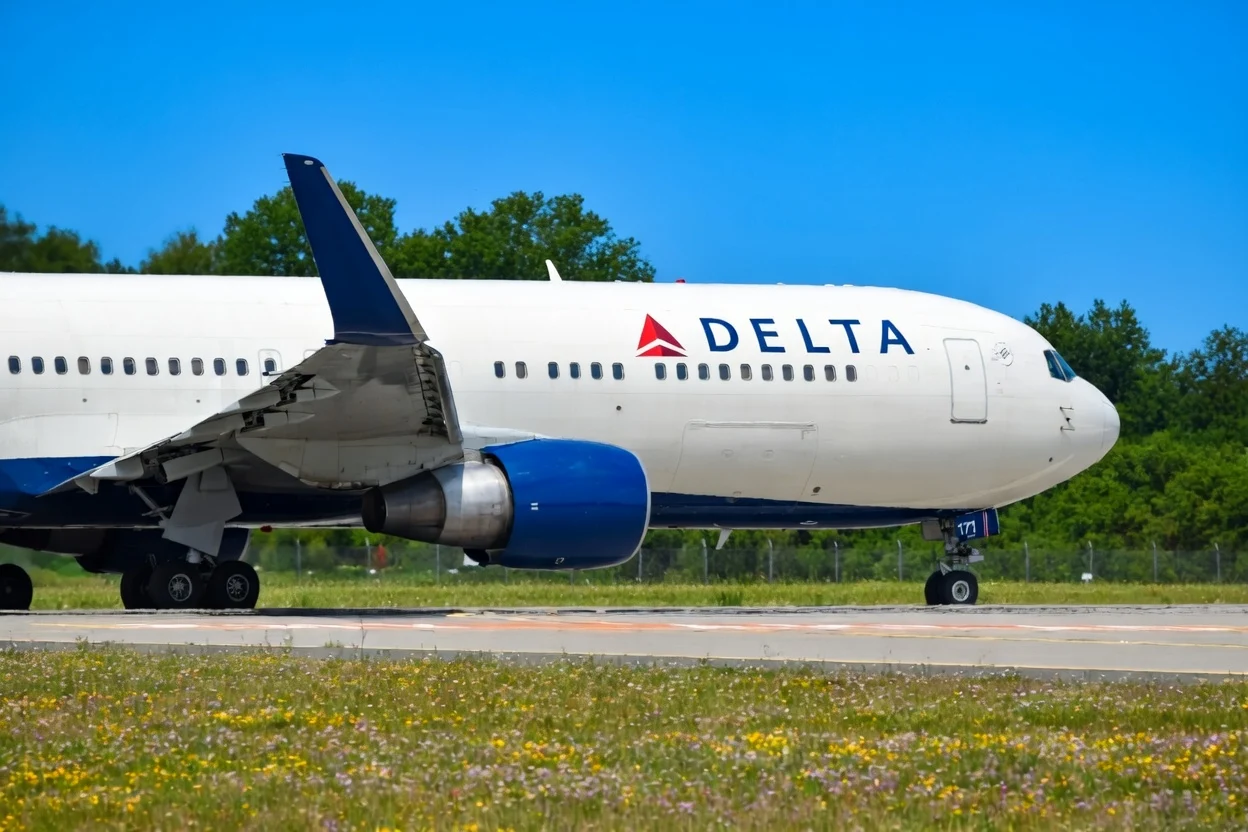
Delta Air Lines announced Tuesday it would raise checked baggage fees for the first time in two years on domestic routes. The disclosure triggered a roughly 2% decline in DAL shares during trading.
The revised fee structure covers domestic flights and selected short-haul international destinations. Passengers will pay $45 for their first checked bag, $55 for a second, and $200 for a third bag—representing a $50 jump from the previous rate. The new pricing applies to reservations made starting April 8.
In its announcement, Delta referenced “evolving global conditions and industry dynamics.” Translation: jet fuel expenses are climbing rapidly.
Crude oil prices have surged past $110 per barrel as conflict in Iran extends throughout the Middle East, constraining oil availability and compressing airline profit margins. Jet fuel represents a major expense category for carriers, and costs are accumulating at an accelerated pace.
The conflict has interrupted crude oil transport through the Strait of Hormuz, a vital channel for international energy commerce. Airlines are experiencing immediate impact from these supply constraints.

Delta’s decision reflects a broader industry trend. JetBlue implemented bag fee increases in March. United Airlines CEO Scott Kirby has cautioned that ticket prices could surge up to 20% resulting from war-driven fuel scarcity.
Margin Pressure Building Across the Industry
Carriers of all sizes are implementing measures to safeguard margins as operational expenses escalate. Adjusting baggage fees represents one of the more immediate adjustments airlines can execute without overhauling route networks.
Delta emphasized that loyalty program benefits, premium cabin allowances, and co-branded credit card baggage privileges remain unchanged. Long-haul international flights are excluded from the pricing adjustment.
This represents a focused strategy targeting leisure and business travelers on domestic and short-haul routes—the most voluminous portion of Delta’s operations.
What Analysts Think of DAL Stock
While shares retreated on the announcement, Wall Street sentiment toward Delta remains overwhelmingly favorable. Among eighteen analysts tracking the stock, seventeen maintain Buy recommendations with one Hold rating.
The consensus price target stands at $80.53, indicating approximately 23% potential upside from present trading levels. This suggests analysts view the fee adjustment as a pragmatic operational decision rather than a concerning signal.
Delta’s previous domestic baggage fee increase occurred two years ago. The interval demonstrates how dramatically the cost landscape has transformed recently.
The updated fee schedule takes effect Wednesday, April 8, for newly booked travel.
Get 3 Free Stock Ebooks
Discover top-performing stocks in AI, Crypto, and Technology with expert analysis.
- Top 10 AI Stocks - Leading AI companies
- Top 10 Crypto Stocks - Blockchain leaders
- Top 10 Tech Stocks - Tech giants



