


TLDR
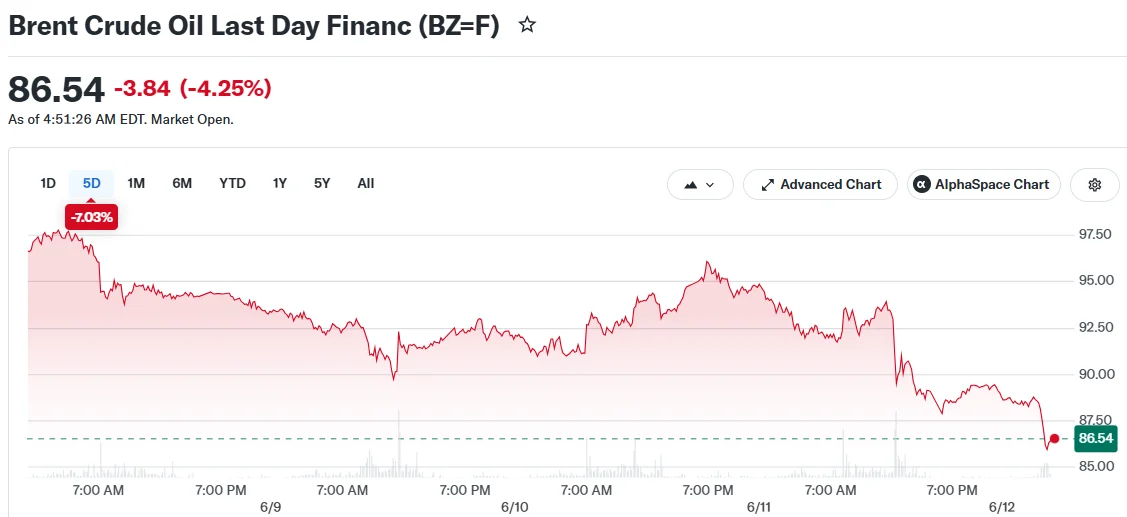
- WTI crude plummeted up to 5.1%, reaching its lowest point in almost two months amid diplomatic breakthrough reports
- Natural gas futures in Europe tumbled as much as 8.4% following the same developments
- Reports indicate a 14-point agreement framework between Washington and Tehran includes eliminating petroleum sanctions
- President Trump indicated the agreement could be formalized this weekend, with Vice President JD Vance potentially in attendance
- Under the proposed terms, the Strait of Hormuz—a passage for 20% of worldwide oil shipments—may resume operations within a month
Oil prices experienced a significant downturn on Friday following revelations that Washington and Tehran appear close to finalizing a diplomatic agreement that would conclude months of tensions and alleviate disruptions affecting worldwide energy markets.
West Texas Intermediate crude experienced a decline of up to 5.1%, reaching its weakest position in approximately two months. Natural gas futures in Europe plunged as much as 8.4% based on similar developments.
The market movements followed reporting from Iran’s semi-official Mehr News Agency indicating that a 14-point agreement framework has been reached between the two nations. According to the report, the framework encompasses the removal of American petroleum sanctions targeting Iran.
The agency noted that Iranian leadership still must approve the arrangement. Additional provisions reportedly include the withdrawal of American military forces from regions neighboring Iran and the restoration of passage through the Strait of Hormuz within a 30-day timeframe.
What Trump Said
Speaking to journalists from the Oval Office, President Trump suggested that formalization of the agreement might occur as soon as this weekend somewhere in Europe. He mentioned that Vice President JD Vance would participate should the deal progress to signing.

Trump further indicated that Iran’s supreme leader had consented to the arrangement, though he emphasized that finalization remained pending. He cancelled previously scheduled military strikes against Iran in light of the ongoing negotiations.
The president has previously suggested on multiple occasions that an Iranian agreement was imminent. However, none of those prior statements materialized into a finalized pact.
Why the Strait of Hormuz Matters
The Strait of Hormuz represents one of the planet’s most critical maritime corridors. Approximately 20% of global petroleum shipments transit through this narrow waterway.
Tehran had previously declared the strait closed to all maritime traffic following recent hostilities. This threat contributed to upward pressure on energy prices in recent trading sessions.
Hazards to commercial shipping persist in the region. Fox News coverage indicated that American forces neutralized two Iranian attack drones during overnight hours that seemed to be targeting merchant vessels.
Notwithstanding these threats, vessel departures from the Strait of Hormuz have shown an uptick in recent weeks.
At 2335 GMT on June 11, front-month WTI crude oil futures were trading at $85.94 per barrel, representing a 2.0% decline.
Analysts from ANZ Research noted that the diplomatic de-escalation has generated optimism regarding reduced disruption to regional petroleum supplies.
Haris Khurshid, a market analyst with Karobaar Capital LP based in Chicago, suggested that markets appear to be pricing in a scenario where both parties have more at stake from failed negotiations than from reaching compromise. He clarified that this market positioning doesn’t necessarily confirm a deal is imminent, but rather indicates that traders no longer view diplomatic collapse as the most probable scenario.
The agreement remains unsigned. According to the White House, concluding details still require completion over the coming days.
Get 3 Free Stock Ebooks
Discover top-performing stocks in AI, Crypto, and Technology with expert analysis.
- Top 10 AI Stocks - Leading AI companies
- Top 10 Crypto Stocks - Blockchain leaders
- Top 10 Tech Stocks - Tech giants



