


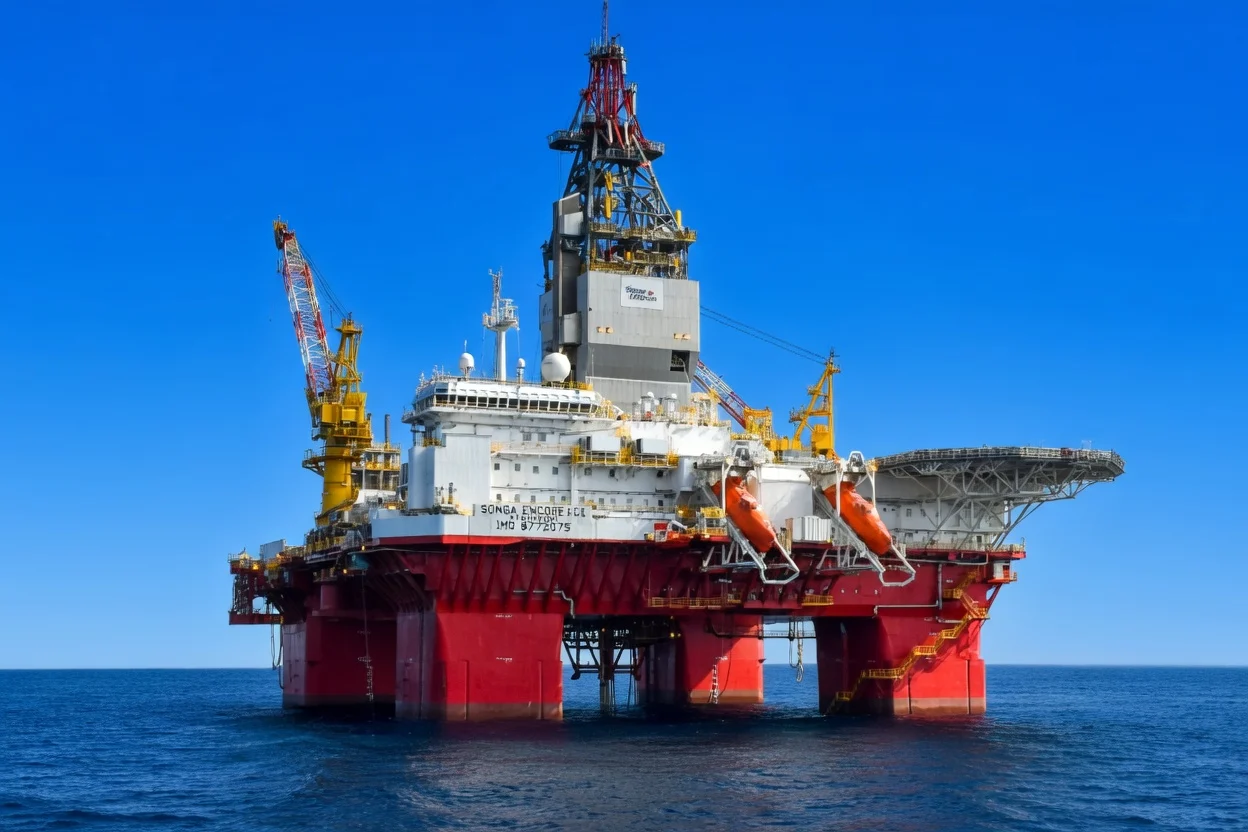
TLDR
- US Navy captured an Iranian vessel in Gulf of Oman waters following attempted blockade breach
- Tehran has once again shut down the Strait of Hormuz following a weekend reopening
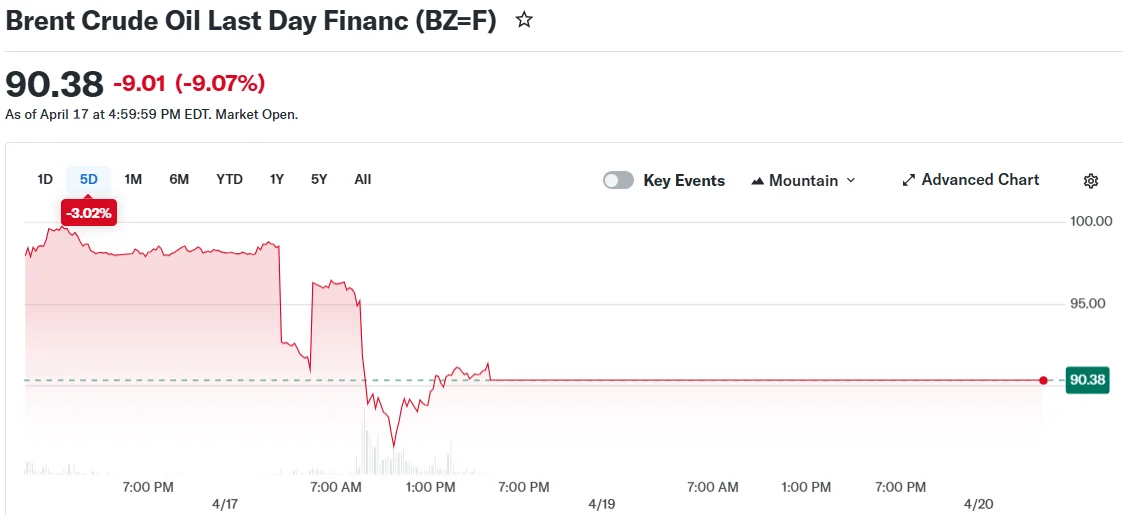
- Brent crude rallied 7.9% while European natural gas prices jumped 11% during Monday trading
- The temporary ceasefire arrangement between Washington and Tehran ends April 21 with peace negotiations remaining unclear
- Vessel movement through the Hormuz waterway has essentially halted with minimal commercial shipping activity
Energy markets experienced significant volatility on Monday following the US military’s seizure of an Iranian commercial vessel and Iran’s decision to again block the strategically vital Strait of Hormuz.
Brent crude futures climbed as high as 7.9% during trading sessions, recouping nearly all losses from Friday’s session when prices had plummeted over 9% after Iran temporarily announced the waterway’s reopening. Meanwhile, European natural gas contracts surged by as much as 11%.
President Donald Trump verified that US Naval forces engaged and captured the Iranian-registered ship in Gulf of Oman waters. According to Trump, the vessel had disregarded multiple warnings to halt as it navigated toward the Hormuz passage.
Tehran denounced the capture and issued threats of retaliatory measures. Iranian state media outlets indicated that Tehran’s forces had engaged several additional ships attempting to transit the channel during the weekend before implementing another closure on Saturday.
Iranian officials claimed the US naval blockade targeting Iranian-connected vessels breached the conditions of the temporary ceasefire arrangement, which expires Tuesday, April 21.

The Strait of Hormuz serves as a critical passage for approximately one-fifth of global petroleum and liquefied natural gas shipments. The waterway has experienced severe disruptions since the US-Israeli war against Iran commenced in late February.
Peace Talks in Doubt
Uncertainty surrounded whether new diplomatic negotiations would occur ahead of the ceasefire expiration. Trump announced that US diplomatic representatives, including Vice President JD Vance, special envoy Steve Witkoff, and Jared Kushner, were traveling to Islamabad on Monday evening for discussions scheduled for Tuesday.
However, Iranian state media sources indicated Tehran has dismissed additional diplomatic engagement. The Tasnim news outlet stated Iran would not dispatch representatives to Islamabad and refuses negotiations while US naval forces maintain their blockade operations.
Commercial shipping through the Hormuz passage had virtually ceased by Monday. Maritime tracking showed only a single petroleum products tanker attempting to exit the strait, with merely two other ships traveling in the reverse direction.
Oil prices had previously climbed to approximately $120 per barrel when hostilities initially erupted, before declining throughout the last two weeks as Trump suggested diplomatic resolution possibilities.
What Analysts Are Saying
Market analysts at OCBC suggested traders may have overly optimistic expectations regarding energy supply restoration. “The standoff looks set to drag on as both sides test pain thresholds,” they wrote.
Haris Khurshid from Karobaar Capital noted the market continues to reflect risk considerations without full commitment. He projected prices could steadily climb toward the $105–$115 range should current tensions persist.
Robert Rennie from Westpac Banking indicated physical energy costs would maintain upward pressure throughout the period that Hormuz shipments remain restricted.
The temporary two-week ceasefire between Washington and Tehran reaches its expiration point on April 21, with no confirmed diplomatic discussions scheduled as of Monday.
Get 3 Free Stock Ebooks
Discover top-performing stocks in AI, Crypto, and Technology with expert analysis.
- Top 10 AI Stocks - Leading AI companies
- Top 10 Crypto Stocks - Blockchain leaders
- Top 10 Tech Stocks - Tech giants



