


TLDR
- US cryptocurrency regulation legislation known as the CLARITY Act cleared the House and awaits Senate action
- Central dispute centers on permitting yield-generating stablecoin products for consumers
- Traditional banking institutions have greater stakes in passage than crypto companies, says ex-CFTC leader Chris Giancarlo
- Regulatory agencies stand ready to implement independent frameworks should legislation stall
- April 3 timeline creates pressure for potential committee action by late March
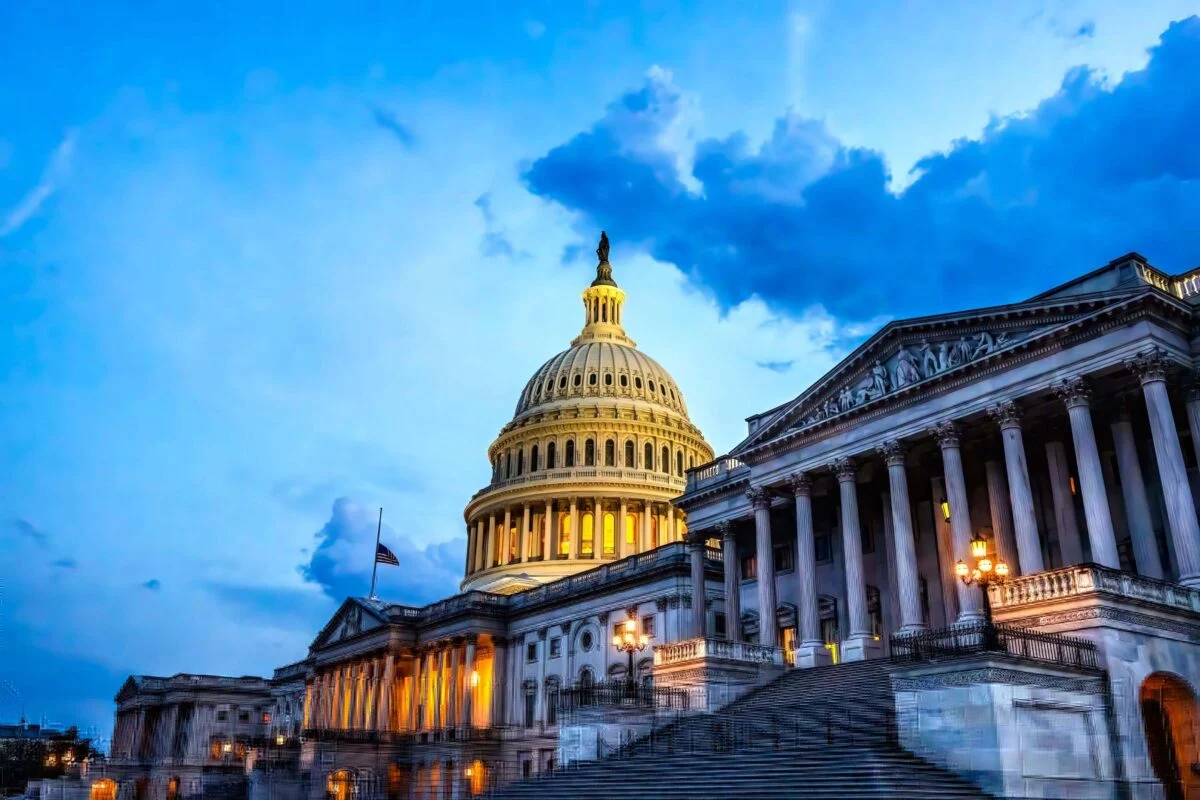
Digital asset market structure legislation called the CLARITY Act successfully navigated the US House of Representatives in July 2025. The measure now sits with the Senate Committee on Banking, Housing, and Urban Affairs, where legislators are working toward an April 3 advancement target.
This legislative proposal establishes regulatory jurisdiction over digital assets among federal agencies. The framework mandates registration and compliance reporting for cryptocurrency platforms and token creators.
Progress has hit a roadblock due to fundamental disagreements. Traditional financial institutions, digital asset companies, and policymakers remain divided on allowing yield payments on stablecoins.
Digital asset advocates contend that regulated yield-bearing products would democratize financial services. They maintain that establishing transparent guidelines surpasses implementing blanket prohibitions.
Traditional banking representatives hold opposing views. They caution that vaguely structured yield programs might siphon deposits from established financial institutions and introduce stability concerns.
Banking associations prefer strict oversight requirements for any yield or staking mechanisms, insisting on direct connections to authenticated investment operations. No consensus has emerged between the factions.

Why Banks Have More to Lose
Chris Giancarlo, who previously chaired the CFTC, emphasized that American banking institutions face the highest stakes in this legislation. During an appearance on The Wolf Of All Streets Podcast, he noted that cryptocurrency companies will continue developing innovations independent of congressional action.
“The banks, however, can’t afford regulatory uncertainty,” Giancarlo said. He explained that bank boards won’t invest billions without legal clarity.
Giancarlo cautioned that delayed action by US financial institutions creates opportunities for Asian and European competitors to establish dominant digital financial systems. American banks risk exclusion from emerging infrastructure.
He emphasized the necessity for banking institutions to lead this transformation rather than scrambling to catch up afterward.
What Happens If the Bill Fails
The legislation requires complete Senate approval before reaching President Donald Trump for final authorization. Trump has publicly called for expedited congressional movement, characterizing the bill as essential for maintaining American dominance in digital finance.
Financial analysts at JPMorgan have forecast potential passage by the middle of 2025.
Regulatory Workarounds on the Table
Should the CLARITY Act fall short of passage, Giancarlo indicated that SEC chair Paul Atkins and CFTC head Mike Selig would probably implement independent regulatory frameworks.
He acknowledged that agency-crafted regulations lack the enduring legal authority of congressional legislation. Nevertheless, such measures could establish functional interim guidelines.
A scheduled markup session was pushed back in January, creating procedural delays. Several legislators are now exploring options to convene a markup before March concludes.
Should the committee advance the measure, a comprehensive Senate floor vote might occur within the April timeframe.
Get 3 Free Stock Ebooks
Discover top-performing stocks in AI, Crypto, and Technology with expert analysis.
- Top 10 AI Stocks - Leading AI companies
- Top 10 Crypto Stocks - Blockchain leaders
- Top 10 Tech Stocks - Tech giants



