


Key Takeaways
- Charles Hoskinson from Cardano expressed criticism regarding a proposed SEC decentralization threshold within the Digital Asset Market Clarity Act.
- Projects must demonstrate decentralization to achieve digital commodity classification under the proposal.
- The proposed framework limits issuers and coordinated groups to controlling a maximum of 20% network stake.
- According to Hoskinson, XRP would meet the criteria for security classification under this threshold.
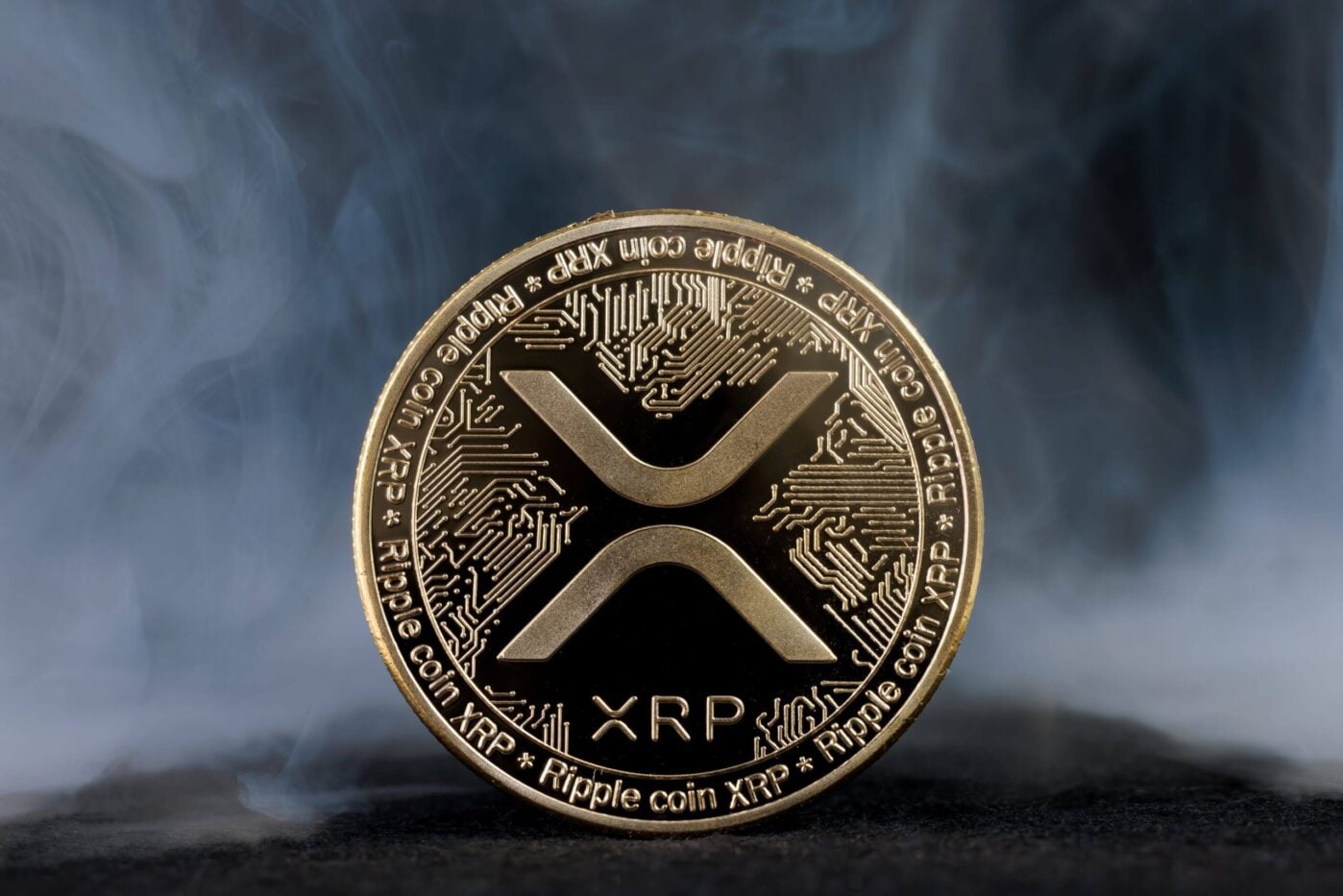
- Ripple maintains approximately 33.61 billion XRP tokens, representing more than 30% of total circulation.
Charles Hoskinson voiced strong criticism regarding a proposed U.S. crypto rule that might categorize numerous digital tokens as securities. He contended that XRP would likely exceed the decentralization limits established within the draft legislation. His statements focused on specific provisions contained within the Digital Asset Market Clarity Act regarding how digital assets achieve commodity classification.
Examining XRP Against the SEC’s Decentralization Framework
Hoskinson expressed his concerns during a podcast appearance while analyzing the Digital Asset Market Clarity Act. According to his interpretation, the legislation mandates that projects submit formal requests before receiving digital commodity designation.
The framework directs issuers to submit petitions to the U.S. Securities and Exchange Commission for evaluation. Regulators would then have sixty days to analyze submissions and render decisions.
The SEC maintains authority to suspend the review timeline when additional documentation or clarification becomes necessary. This mechanism could potentially delay the process before authorities deliver final determinations.
Hoskinson focused his analysis on the decentralization provision embedded within the proposed legislation. The provision establishes that issuers and coordinated groups may control a maximum of twenty percent of network stake.
He contended that this benchmark might categorize numerous established digital tokens as securities. Based on Hoskinson’s analysis, XRP would meet the definition for security classification under these proposed parameters.

During his remarks, he stated, “Under that rule, XRP would qualify as a security.” Hoskinson characterized the twenty percent threshold as “illegitimate” while describing its broader implications for different blockchain networks.
He suggested that proof-of-stake architectures could encounter difficulties meeting the standard. Hoskinson emphasized that authorities should conduct thorough assessments of network control when establishing decentralization criteria.
Analyzing Ripple’s Token Holdings and Classification Procedures
Hoskinson grounded his assessment in Ripple’s existing XRP token holdings. Available blockchain records indicate that Ripple maintains control over more than thirty percent of circulating supply.
From a total supply of one hundred billion XRP tokens, Ripple possesses approximately 33.61 billion. The majority of these holdings remain secured within escrow arrangements administered by the organization.
Hoskinson observed that this concentration surpasses the twenty percent control boundary outlined in the proposed legislation. Consequently, the standard could automatically categorize XRP as a security instrument.
The draft legislation establishes a structured approach toward achieving digital commodity recognition. Projects must provide evidence that their networks function without centralized dominance.
Issuers face requirements to provide documentation establishing decentralized governance structures and token distribution patterns. Regulatory authorities evaluate these submissions before authorizing commodity classification.
Hoskinson suggested that this framework might generate disparate treatment throughout the cryptocurrency industry. He indicated that established networks could secure exemptions while emerging projects face stricter decentralization requirements.
He characterized the potential result as a “two-tier system” operating within digital asset markets. According to his perspective, prominent projects may obtain automatic protection from securities designation.
Meanwhile, Ripple maintains its support for the Digital Asset Market Clarity Act. Ripple CEO Brad Garlinghouse indicated the legislation offers improved regulatory clarity compared to existing frameworks.
Garlinghouse conveyed optimism regarding potential passage of the bill in the near term. Deliberations advance within the Senate Banking Committee as representatives prepare for upcoming markup proceedings.
Get 3 Free Stock Ebooks
Discover top-performing stocks in AI, Crypto, and Technology with expert analysis.
- Top 10 AI Stocks - Leading AI companies
- Top 10 Crypto Stocks - Blockchain leaders
- Top 10 Tech Stocks - Tech giants



