


Key Highlights
- The Commodity Futures Trading Commission established an Innovation Task Force dedicated to developing regulatory standards for cryptocurrency, artificial intelligence, and prediction market platforms
- Michael Passalacqua will serve as the task force’s leader, collaborating closely with the CFTC’s Innovation Advisory Committee
- A Memorandum of Understanding between the Securities and Exchange Commission and CFTC establishes coordinated digital asset supervision to eliminate regulatory inconsistencies
- Collaborative regulatory guidance clarified that the majority of digital assets — including stablecoins and digital collectibles — fall outside securities classification
- The CLARITY Act, designed to establish comprehensive market structure rules, continues to face delays in Senate proceedings
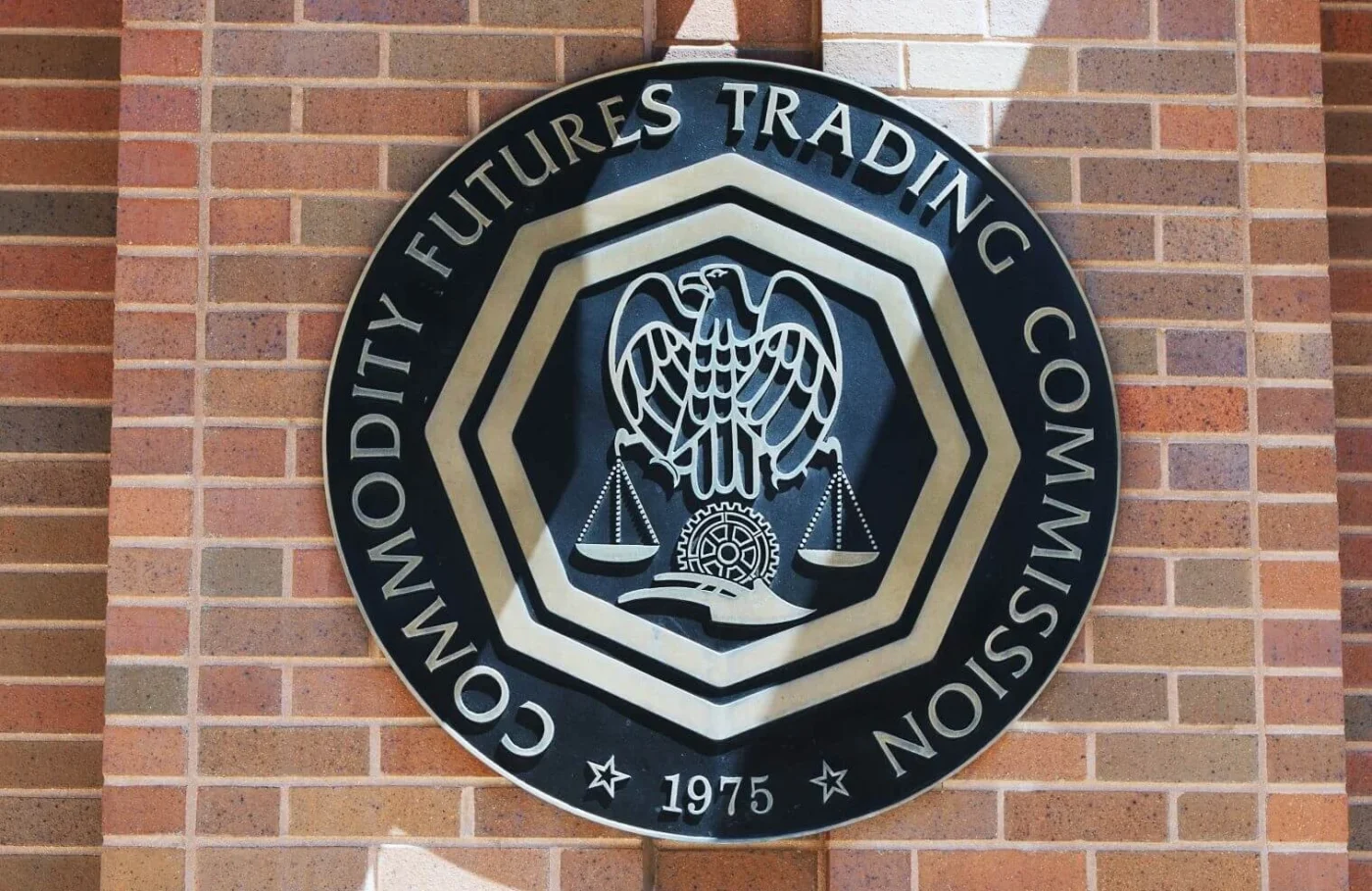
The United States Commodity Futures Trading Commission has established a new Innovation Task Force designed to develop comprehensive regulatory guidelines for cryptocurrency, artificial intelligence technologies, and prediction market platforms.
CFTC Chairman Michael Selig revealed the initiative during his address at the Digital Asset Summit held in New York City this Tuesday. According to Selig, the task force will establish a dedicated channel connecting industry innovators directly with regulatory officials.
“The goal is fundamentally to establish an environment where innovators and builders have direct access to communicate with our staff,” Selig explained.
The task force will operate under the direction of Michael Passalacqua, who serves as a senior adviser to Chairman Selig. Before joining the CFTC in January, Passalacqua specialized in cryptocurrency and blockchain matters at the international law firm Simpson Thacher & Bartlett.
Collaboration with the CFTC’s Innovation Advisory Committee will form a core component of the task force’s operations. The advisory committee features over 30 industry leaders from organizations including Kalshi and Nasdaq.
This initiative follows the SEC’s establishment of its own cryptocurrency-focused task force, which launched just one day after President Donald Trump’s inauguration more than a year ago.
Federal Agencies Formalize Regulatory Coordination Agreement
Earlier this month, the Securities and Exchange Commission and the Commodity Futures Trading Commission finalized a Memorandum of Understanding aimed at harmonizing their digital asset regulatory strategies. This agreement specifically targets the elimination of contradictory regulations that had previously generated tension between the regulatory bodies.

The agencies released collaborative guidance last week that definitively stated most digital assets — encompassing stablecoins, digital commodities, and collectibles — do not qualify as securities under current definitions.
This joint guidance established an official “token taxonomy” framework to assist in digital asset classification. It further specified that cryptocurrency-related activities such as mining, staking, and airdrop distributions typically fall outside the scope of securities transactions.
The MOU establishes coordination protocols between the SEC and CFTC covering data exchange, collaborative rulemaking processes, product classification standards, clearing procedures, margin requirements, and trade reporting systems.
SEC Chairman Paul Atkins characterized the framework as a “bridge” designed to provide immediate clarity as Congressional lawmakers develop comprehensive legislation.
A Joint Harmonization Initiative has been created as well, with Robert Teply from the Securities and Exchange Commission and Meghan Tente from the Commodity Futures Trading Commission serving as co-leaders.
Congressional Legislation Remains in Limbo
Comprehensive digital asset legislation has yet to advance through Congress. The CLARITY Act, a market structure bill addressing regulatory frameworks, secured passage in the House of Representatives during July 2025 but has encountered significant obstacles in the Senate.
Ongoing debates surrounding stablecoin interest payments, ethical considerations, tokenized equity instruments, and related matters have impeded legislative momentum. The timeline for a complete Senate floor vote remains uncertain.
The CFTC is simultaneously expanding its supervisory role over prediction market platforms. The agency has claimed jurisdiction over these markets despite opposition from certain state authorities who reference local gambling regulations.
Get 3 Free Stock Ebooks
Discover top-performing stocks in AI, Crypto, and Technology with expert analysis.
- Top 10 AI Stocks - Leading AI companies
- Top 10 Crypto Stocks - Blockchain leaders
- Top 10 Tech Stocks - Tech giants



